


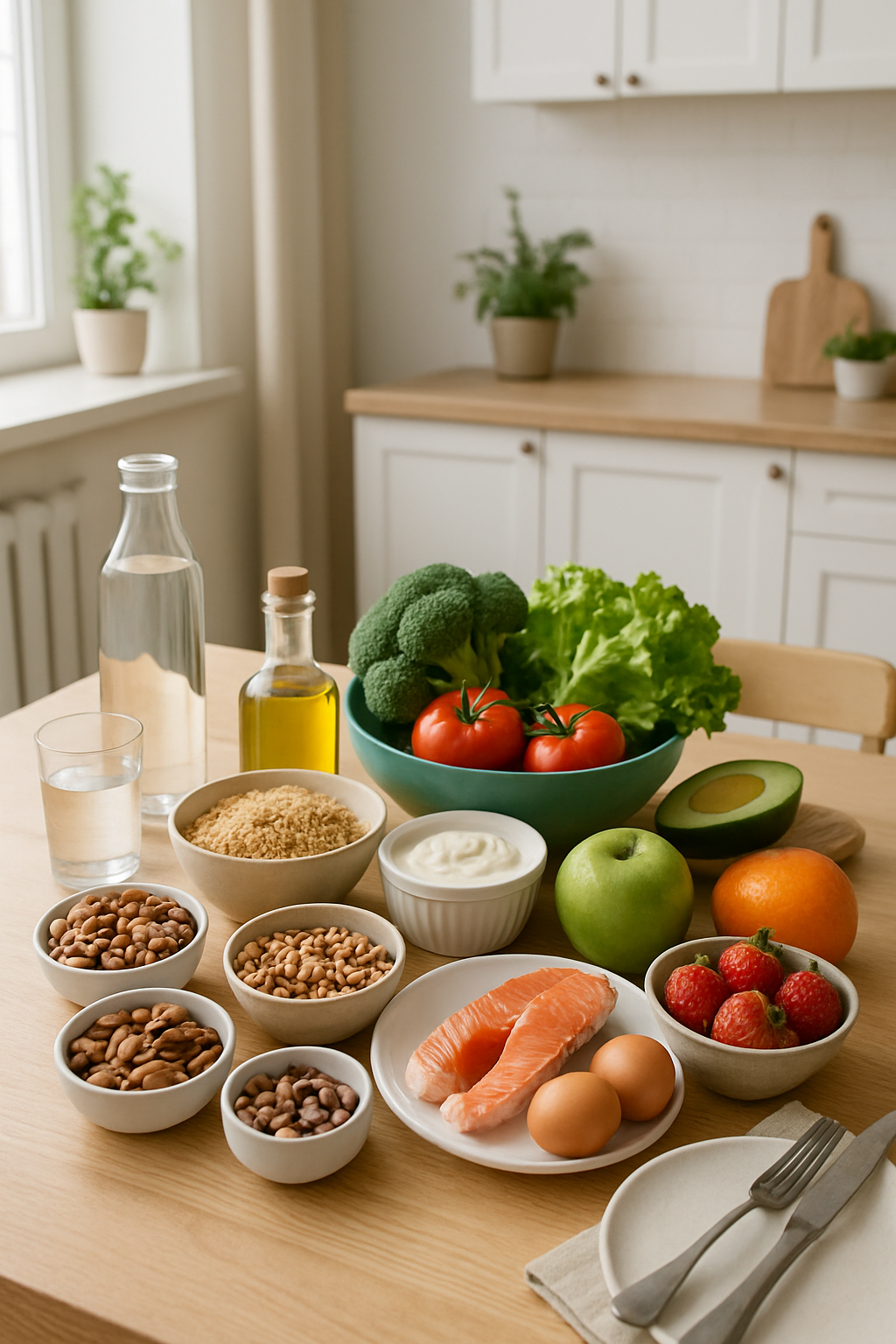
How to Achieve Healthy Weight Loss
Seeking sustainable, healthy weight loss? The solution lies in refining your habits and behaviors. By enhancing your diet and lifestyle with smart technology, you can make a significant, lasting impact on your well-being. Here are some essential things to consider as you begin your weight loss journey with SnapEat AI:
- Start Small: Choose just one or two changes to begin with. Consistency is crucial for turning a change into a new, automatic habit. Trying to alter too much at once can feel overwhelming.
- Personalize Your Approach: Implement changes that seamlessly integrate with your life. The more convenient a habit is, the more likely you are to stick with it.
Here are our top 50 strategies to guide you toward sustainable, healthy weight loss. Simply choose where you'd like to begin, and let SnapEat AI handle the tracking.
1. Stay Hydrated
Proper hydration is fundamental to good nutrition. While you can survive for weeks without food, you can only last a few days without water. It's also one of the simplest and most effective tips, as research shows that increasing your daily water intake can aid in weight loss. Begin your day with a large glass of water and continue sipping throughout. Use SnapEat AI to log your water intake and ensure you're meeting your daily hydration targets.
2. Have Breakfast
Eating breakfast has been shown to support better food choices later in the day and helps maintain your metabolism and blood sugar balance, both of which are beneficial for weight loss. Make smart choices—opt for non-refined carbs and include a source of protein, like an egg. Snap a photo of your breakfast with SnapEat AI to instantly see its nutritional breakdown and start your day informed.
3. Hold the Coffee Until After Breakfast
Drinking coffee on an empty stomach can spike cortisol and blood sugar levels, affecting your energy and metabolism. However, a cup of black coffee after breakfast can help slow glucose production, potentially reducing the formation of fat cells. Log your coffee in SnapEat AI to see how it fits into your daily caloric and nutritional plan.
4. Every time you eat, have protein
Protein takes longer for the body to convert into glucose compared to simple carbs. Including protein (from eggs, meat, nuts, or legumes) in every meal leads to steadier blood sugar, greater satiety, and fewer sugar cravings. This means you're likely to eat less overall. Use SnapEat AI to quickly check the protein content of your meals and ensure you're hitting your targets.
5. Chew food well
Chewing is the first step in digestion, but it's often rushed. Eating too quickly puts a strain on your digestive system and prevents your brain from recognizing fullness signals in time. Aim to eat in a relaxed setting, and savor your food. This mindful practice complements the portion data you track in SnapEat AI.
6. Add more healthy fats to your diet
While calorie-dense, healthy fats from nuts, seeds, oily fish, and avocado can reduce sugar cravings and increase satisfaction, supporting weight loss. Snap a photo of your meal, and SnapEat AI's food recognition will show you how these beneficial fats contribute to your daily macronutrient goals.
7. Always use a knife and fork
Using cutlery slows down your eating pace, forcing you to pay more attention to the process. Putting your utensils down between bites gives your brain time to register satiety, helping you avoid overeating—a habit you can monitor by tracking portion sizes with SnapEat AI.
8. Never eat at your desk or in front of the TV
Your brain can't fully concentrate on eating while you're multitasking. Distracted eating often leads to overconsumption and feeling hungry again soon after. When you focus on your meal, your brain better recognizes the signs of fullness, which aligns with the nutritional data SnapEat AI provides.
9. Don’t skip meals
Skipping meals might seem like a shortcut to weight loss, but it often leads to overeating later. When your blood sugar drops too low, you become ravenous and are more likely to make poor choices. Use SnapEat AI to maintain a consistent eating schedule and keep hunger in check.
10. Go for a walk after meals
A brisk 30-minute walk shortly after a meal can enhance weight loss for some individuals. Sync your fitness tracker with SnapEat AI to visualize the combined impact of your diet and physical activity on your overall health goals.
11. Fast for 12 hours between dinner and breakfast
Giving your digestive system a break is important for health and weight management. Aim for a 12-hour natural fast between your last meal of the day and breakfast. You can easily monitor your eating window and fasting periods using the timeline feature in SnapEat AI.
12. Choose wholefoods
Whole foods are more nutrient-dense and fibrous than processed or pre-packaged options, which often contain hidden calories, salt, and sugar. Use SnapEat AI’s food recognition to help you identify and prioritize whole foods and understand their superior nutritional value.
13. Cut down on artificial sweeteners
Products labeled 'no added sugar' often contain artificial sweeteners, which can increase sugar cravings and lead you to eat more. Use SnapEat AI's barcode scanner to uncover hidden sweeteners and make more informed choices at the grocery store.
14. Ask yourself why you’re eating
We often turn to food for comfort when tired, stressed, or bored, even when not truly hungry. Before you reach for a snack, pause and ask why. Consider a non-food alternative like a short walk or a chat with a friend. You can add notes about your mood to your meal logs in SnapEat AI to identify patterns.
15. Practice daily meditation
Meditation can significantly benefit weight loss by reducing stress and anxiety, which are common triggers for emotional eating. A calmer mind fosters better choices, and you'll see this positive shift reflected in your SnapEat AI food log.
16. Fill up on fibre
Fiber helps you feel full and satisfied. Including more fiber from fruits, vegetables, wholegrains, and beans in your diet will help you eat less throughout the day. Use SnapEat AI to identify and track high-fiber foods and ensure you're meeting your daily intake goals.
17. Use smaller bowls and plates
Controlling portion sizes is a major challenge in weight loss. Using smaller dishware is a simple psychological trick to naturally reduce your portions. Even with a smaller plate, snap a photo to let SnapEat AI's powerful AI accurately calculate your meal's calories and macros.
18. Reduce or stop alcohol
Alcohol contains 'empty calories' and can derail your progress. It also alters how your body burns fat. If you choose to drink, log it in SnapEat AI to understand its impact on your daily calorie budget and make conscious decisions.
19. Keep a food diary
Forget pen and paper. SnapEat AI is your intelligent food diary. By simply snapping a photo of your meal, you can effortlessly monitor what you eat and drink, see the nutritional balance of your diet, and spot opportunities for healthy adjustments.
20. Move more
You don't need to run a marathon to lose weight. Simply increasing your daily movement through activities like walking, housework, or gardening helps. Sync your health apps with SnapEat AI to get a complete picture of your 'calories in vs. calories out' and stay motivated.
21. Build muscle
Muscle is more metabolically active than fat, meaning it burns more calories even at rest. You can build muscle with bodyweight exercises or by lifting weights. Complement your precise diet tracking in SnapEat AI with two to three resistance training sessions per week for a powerful metabolic boost.
22. Don’t binge on the boxset
Being sedentary for extended periods is linked to weight gain, especially if you snack while watching. Try to avoid watching episodes back-to-back, or take a short walk between them to keep your body moving.
23. Manage your stress
Stress has a physical effect on your body, releasing the hormone cortisol, which can disrupt blood glucose levels and contribute to weight gain. Finding what works for you to manage stress is crucial. You can even note your stress levels in your health app, which syncs with SnapEat AI for a holistic overview.
24. Don’t go food shopping hungry
Shopping on an empty stomach often leads to impulse buys, especially high-calorie, carb-heavy snacks. Stick to a shopping list, and use SnapEat AI's barcode scanner in the store to make informed decisions before you buy.
25. Ditch the scales
Your weight can fluctuate daily due to water retention and other factors, making frequent weigh-ins an inaccurate and often discouraging measure of progress. Focus on long-term trends rather than daily numbers.
26. Take body measurements and photographs
Noticing changes in how your body looks and feels is a much better way to monitor progress. Take measurements and progress photos every 4-6 weeks. You can even store these photos securely within the SnapEat AI ecosystem to see your transformation alongside the data.
27. There’s no such thing as “good” and “bad” foods
Labeling foods as 'bad' often increases cravings and can lead to overeating. Instead, focus on an 80/20 approach: eat nutritious foods 80% of the time and enjoy your favorites in moderation. This balanced mindset fosters a healthier relationship with food, and SnapEat AI helps you track it all without judgment.
28. Have a glass of water 30 minutes before meals
Studies suggest that drinking water 30 minutes before a meal can help you feel fuller and consume fewer calories. Set a reminder on your phone and log your pre-meal water in SnapEat AI to build this simple, effective habit.
29. Take the stairs
It's a classic for a reason. Choosing the stairs over the elevator is an easy way to burn extra calories and strengthen your leg muscles. These small bursts of activity add up, and syncing your fitness tracker with SnapEat AI will show you just how much they contribute to your daily goals.
30. Get inspired
Motivation is key. Create a digital vision board, follow fitness influencers, or watch inspiring documentaries. Let SnapEat AI’s own progress charts and milestone reports become your personal source of inspiration as you see how far you've come.
31. No naked carbs
Never eat carbohydrates by themselves. Always pair them with a source of protein or healthy fat to slow down sugar absorption, keep you fuller for longer, and prevent energy crashes. Snap your meal, and SnapEat AI’s macro breakdown will instantly show if you have a good balance.
32. Focus on nutrient density rather than calories
Not all calories are created equal. 100 calories of vegetables offer far more vitamins and fiber than 100 calories of cookies. SnapEat AI goes beyond simple calorie counting, showing you the full nutrient profile of your food so you can focus on quality.
33. Say no to the bread basket
When dining out, it's easy to fill up on carb-heavy bread before your meal even arrives. Politely decline the bread basket and save your appetite—and your SnapEat AI photo snap—for the main event.
34. Ditch the fizzy drinks
Fizzy drinks, including diet versions, are often high in sugar or artificial sweeteners that can disrupt hunger signals and add empty calories. Swap them for sparkling water with a slice of lemon or lime, and track your beverages in SnapEat AI to stay accountable.
35. Have a protein-based snack in the afternoon
An afternoon slump is often due to a drop in blood sugar. A protein-based snack can stabilize your energy levels and prevent overeating at dinner. Snap your snack, and let SnapEat AI confirm it’s a smart choice that fits your goals.
36. Shop for one
Buying family or sharing-sized packs can seem economical, but it often leads to temptation and overeating. Whenever possible, opt for single-serving portions to help with portion control, which you can easily verify with a quick photo in SnapEat AI.
37. Get a good night’s sleep
Poor sleep disrupts the hormones that regulate hunger and appetite (ghrelin and leptin). When you're tired, you're more likely to crave sugary, high-carb foods. Prioritizing 7-8 hours of quality sleep makes it easier to stick to the healthy choices you're tracking in SnapEat AI.
38. Take a vitamin D supplement
Vitamin D deficiency is common and may be linked to an increased risk of obesity. While SnapEat AI tracks the nutrients from your food, consult with your doctor about whether a vitamin D supplement is right for you, especially during winter months.
39. Avoid added sugar
Most of us consume too much added sugar, which provides empty calories with no nutritional benefit. Use SnapEat AI's barcode scanner and food recognition to identify and reduce added sugars in products like sauces, cereals, and yogurts.
40. Add omega-3 to your diet
Omega-3s are essential fatty acids found in oily fish, chia seeds, and walnuts that appear to help improve metabolism. Snap a picture of your salmon or chia seed pudding to track your intake of these important fats and see how they contribute to your health.
41. Eat soup
Soups are hydrating, filling, and often packed with nutrient-dense vegetables, making them a great choice for weight management. They're typically lower in calories but high in volume. Just snap a photo of your bowl, and our AI will analyze its contents for you.
42. Eat a salad before your meal
Starting your meal with a low-calorie, high-fiber salad can help you feel fuller and naturally eat less of your main course. Avoid sugary pre-made dressings. Snap your salad, and SnapEat AI will show you the powerhouse of nutrients you're consuming.
43. Have an open sandwich
A convenient lunch, but traditional sandwiches often contain more bread than filling. Try an open-faced sandwich to instantly cut your carbohydrate intake. Log it in SnapEat AI to see the significant difference this simple swap makes to your daily macros.
44. Swap white bread for rye bread
Rye bread is higher in fiber and has been linked to greater feelings of fullness and better blood glucose control compared to white bread. SnapEat AI can show you how this simple exchange improves your meal's overall nutritional score.
45. Eat probiotic-rich foods
Foods rich in live bacteria, like yogurt, kefir, and sauerkraut, support a healthy gut microbiome. A balanced gut is linked to better mood, metabolism, and blood sugar control—all of which are relevant to weight management. Log these foods in SnapEat AI to track your intake.
46. Eat more resistant starch
Resistant starch, found in cooked and cooled potatoes, pasta, and rice, acts as a prebiotic, feeding your good gut bacteria. It has been shown to improve satiety and support a healthy body composition. Prepare your meals in advance and log them with SnapEat AI.
47. Plan ahead
Failing to plan is planning to fail. Leaving meals to chance often results in skipped meals or unhealthy choices. Use SnapEat AI as your personal planning partner. By tracking your intake and progress, you'll be better equipped to make smart food choices, even on your busiest days.
48. Avoid shop-bought smoothies
While they seem healthy, many store-bought smoothies are loaded with sugar. The blending process releases 'free sugars,' making them calorically dense. Instead, make your own at home and snap the ingredients for SnapEat AI to get an accurate, healthy nutritional breakdown.
49. Skip the condiments
That dollop of ketchup or mayo can add a surprising amount of hidden sugar, salt, and fat to your meal. Try flavoring your food with herbs and spices instead. You'll reduce your calorie intake and see your meal's health score improve in the SnapEat AI app.
50. Don’t overtrain
More exercise isn't always better. Overtraining, especially intense cardio, can raise cortisol levels, which can increase appetite and hinder weight loss. Sync your fitness data with SnapEat AI to monitor your activity levels, ensuring you find the right balance between exercise and recovery.