


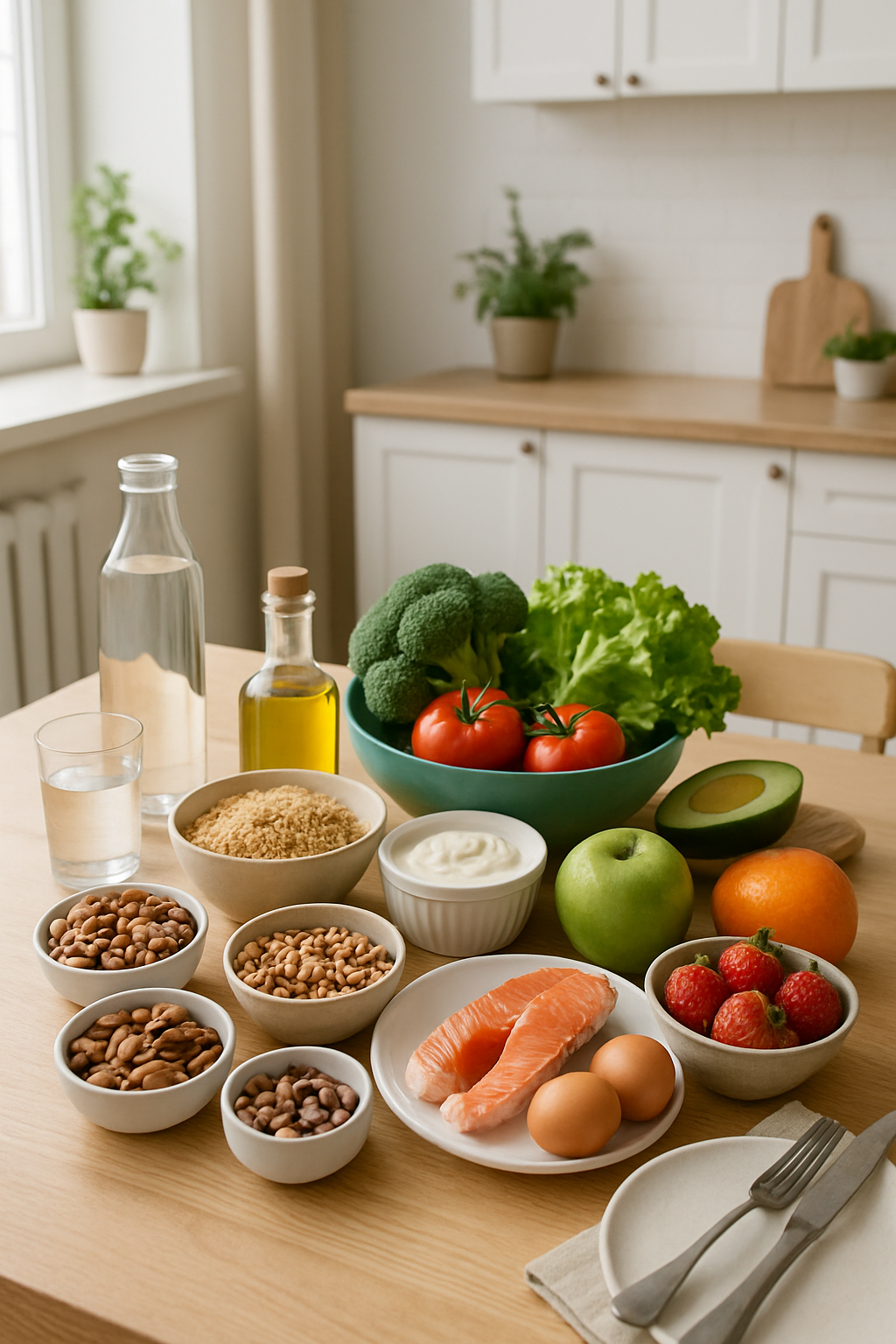
Looking to achieve sustainable, healthy weight loss? The solution lies in modifying your habits and behaviors. By enhancing your diet and lifestyle, you'll be better equipped to make a significant, lasting impact on your well-being. Here are some fundamental points to consider before embarking on your weight management journey with SnapEat AI:
- Start Small: Choose just one or two changes to focus on. Consistency is paramount—the goal is to turn the change into a new, automatic habit. Attempting too many modifications at once can feel overwhelming.
- Personalize Your Plan: Implement changes that seamlessly integrate with your personal lifestyle. You're far more likely to adhere to adjustments that feel natural to you.
Here are our top 50 strategies to guide you toward achieving your weight goals in a healthy, sustainable way. Simply select the tip that resonates most with you to begin.
How to Lose Weight Effectively
1. Prioritize Hydration
Proper hydration is a cornerstone of good nutrition. While you can survive for weeks without food, you can only last a few days without water. It's also one of the simplest yet most powerful tips, with research showing that increasing daily water intake can aid in weight loss. Begin your day with a large glass of water and keep sipping throughout. Use SnapEat AI to log your water intake and stay on track with your hydration goals.
2. Start with Breakfast
Eating breakfast has been demonstrated to help with making better food choices later in the day and supports a stable metabolism and blood sugar. Both are crucial for weight management. Make wise choices: go for complex carbs and ensure you include a source of protein, like a boiled egg. Snap a photo with SnapEat AI to see the nutritional breakdown of your morning meal instantly.
3. Delay Coffee Until After Your First Meal
Consuming coffee on an empty stomach first thing can trigger a spike in cortisol (your stress hormone) and blood glucose, which impacts your energy and metabolism. However, enjoying a cup of black coffee after you've eaten can help slow glucose production, potentially reducing the formation of fat cells.
4. Include Protein with Every Meal
When you consume protein (from sources like meat, eggs, dairy, nuts, and legumes), it takes your body longer to convert it to glucose compared to simple carbohydrates (like white bread and pasta). Including protein with each meal promotes stable blood sugar, enhances feelings of fullness, and reduces sugar cravings. This makes you less likely to overeat, supporting your weight loss goals. Use SnapEat AI to monitor your protein intake and ensure you're hitting your daily targets.
5. Chew Your Food Thoroughly
Chewing is the initial step of digestion, yet it's often rushed, especially when we're distracted or eating on the go. Not chewing properly adds stress to your digestive system, which can cause bloating. It also means you're more likely to eat too much because your brain doesn't have enough time to register that you're full.
6. Incorporate More Healthy Fats
Although fats are more calorie-dense than proteins or carbs, adding healthy fats to your diet can curb sugar cravings and provide greater satisfaction, aiding in weight loss. Look for beneficial fats in foods like nuts, seeds, oily fish, avocados, and olive oil. Track them with SnapEat AI to ensure a balanced intake.
7. Always Use Cutlery
Using a knife and fork instead of your hands naturally encourages you to eat more slowly. You're also more inclined to eat less because you pay closer attention to the actions of cutting and chewing your food. Make a habit of putting your cutlery down between bites to slow your pace even further.
8. Avoid Eating at Your Desk or in Front of the TV
Your brain can't fully concentrate on what you're eating while you're also answering emails or watching a show. This distracted eating often leads to overeating or feeling hungry again shortly after, as your brain hasn't properly registered the signals of satiety.
9. Don’t Skip Meals
It's a common misconception that eating less by skipping meals leads to weight loss. In reality, it often results in overeating at the next meal. When your blood sugar drops too low, you become 'hangry,' and by the time you finally eat, you're ravenous and more likely to consume too much. Set meal reminders in SnapEat AI to maintain a consistent eating schedule.
10. Take a Walk After Eating
Engaging in a brisk 30-minute walk shortly after lunch or dinner has been shown to result in greater weight loss for some individuals compared to walking an hour after finishing a meal. Sync your fitness tracker with SnapEat AI to see the combined impact of your diet and activity.
11. Fast for 12 Hours Overnight
Giving your digestive system a break is beneficial for both your health and weight loss efforts. Aim for a minimum 12-hour natural fast between your evening meal and breakfast. For instance, if you finish dinner by 7 PM, try to have breakfast no earlier than 7 AM the next day. Use SnapEat AI to track your fasting windows effortlessly.
12. Opt for Whole Foods
While life gets hectic, choosing whole foods over processed or pre-made meals can significantly support weight loss. Processed foods often contain less fiber and fewer nutrients but more calories, salt, and sugar, which can encourage overeating.
13. Be Wary of Artificial Sweeteners
Don't be deceived by 'no added sugar' labels, as these products frequently contain artificial sweeteners. Research suggests sweeteners can heighten your craving for sweetness, make you feel hungrier, and lead to consuming more food overall. Use SnapEat AI’s food recognition to spot them in ingredient lists.
14. Ask Yourself 'Why' You're Eating
It's easy to turn to food for comfort when you're tired, stressed, or upset, even if you aren't physically hungry. This emotional eating often occurs in the evening. If you find yourself reaching for a snack after dinner, pause and ask why. A non-food alternative, like a warm bath or a chat with a friend, might be what you truly need.
15. Practice Daily Meditation
Meditation offers several benefits for weight loss. A daily practice can reduce stress and anxiety, improving your ability to cope without resorting to food for comfort. It can also enhance self-awareness, helping you recognize unhelpful habits in a non-judgmental way.
16. Fill Up on Fiber
Fiber helps you feel full. Including more fiber-rich foods like fruits, vegetables, whole grains, beans, and lentils in your diet increases satiety. Feeling fuller for longer helps you consume fewer calories throughout the day. Track your fiber intake with SnapEat AI to ensure you're getting enough.
17. Use Smaller Dishes
Portion control is a major hurdle in weight management. Using smaller bowls and plates can naturally help you reduce your portion sizes, provided you resist the urge to go back for seconds. And even if you don't change your plate, SnapEat AI’s powerful food recognition can estimate your portion sizes for accurate tracking.
18. Reduce or Eliminate Alcohol
Alcohol is full of 'empty calories,' meaning it can easily negate your hard work. Furthermore, alcohol alters how your body burns fat, as your system prioritizes breaking down the alcohol. This can make weight loss more difficult and slow your progress. Log your drinks in SnapEat AI to see their true caloric impact.
19. Keep a Smart Food Diary
Monitoring what you eat and drink provides a clear picture of your dietary balance and helps identify areas for improvement. Instead of tedious manual logging, use SnapEat AI. Just snap a photo of your meal, and our AI will do the rest, making tracking effortless and insightful.
20. Move More Every Day
The great news is you don’t need to train for a marathon. Simply incorporating more movement into your daily routine—like walking, gardening, or housework—boosts your metabolism, increases motivation, and makes you feel great. Sync your health apps with SnapEat AI to see all your activity data in one place.
21. Build Lean Muscle
Muscle is more metabolically active than fat, meaning it burns more calories at rest. You can build muscle through bodyweight exercises like push-ups or by lifting weights. Aim for two to three resistance training sessions per week to boost your metabolism.
Being sedentary for extended periods, such as binge-watching a TV series, is linked to weight gain, particularly if you tend to snack while you watch. Try to avoid watching consecutive episodes, or perhaps take a short walk in between.
23. Manage Your Stress
Stress has a physical toll on the body. When you're stressed, your body releases cortisol, a hormone that directly affects blood glucose levels and can contribute to weight gain. Finding what works for you to manage stress is key, whether it's yoga, deep breathing, or a hobby you enjoy.
24. Don’t Go Grocery Shopping When Hungry
Shopping on an empty stomach makes you more susceptible to impulse buys, especially in the snack and carbohydrate aisles. You're more likely to grab something quick and easy to eat on the way home, leading to extra calories and potential weight gain.
25. Rethink the Scale
Weighing yourself too frequently can be a counterproductive habit. Your weight can fluctuate daily due to water retention and other factors. A disappointing number on the scale might tempt you to skip meals or comfort eat, neither of which is helpful.
26. Take Progress Photos and Measurements
Observing how your body composition changes is a healthier and more motivating way to monitor progress. Use SnapEat AI to take and store progress photos and log your body measurements. This allows you to see real physical changes that the scale might not reflect, like gaining muscle.
27. Abandon 'Good' and 'Bad' Food Labels
Labeling foods like cake as 'bad' often makes you crave them more. Willpower eventually fades, leading to overindulgence. Instead, focus on a balanced approach, like the 80/20 rule: eat nourishing foods 80% of the time and allow for treats 20% of the time. This fosters a healthier relationship with food.
28. Drink Water 30 Minutes Before Meals
A 2010 study revealed that participants on a calorie-restricted diet who drank a glass of water 30 minutes before a meal lost 44% more weight over 12 weeks than those who only followed the diet. This simple habit can enhance feelings of fullness and reduce overall intake.
29. Always Take the Stairs
It's easy to opt for the elevator, but choosing the stairs is a simple way to burn more calories and strengthen your muscles. This boosts your metabolism and fitness levels, and it’s an easy way to increase your daily step count.
30. Get Inspired
Inspiration can be a powerful motivator. Whether it's by watching an inspiring documentary, creating a vision board, or following health journeys on social media, seeing others succeed can fuel your own motivation to take action and stick with your goals.
31. Never Eat 'Naked Carbs'
This means you should avoid eating carbohydrates by themselves. Always pair them with a source of healthy fat or protein. This combination helps stabilize blood sugar, keeps you feeling full for longer, and prevents the energy crashes and cravings that can lead to overeating. Use SnapEat AI to check the macro-balance of your meals.
32. Focus on Nutrient Density, Not Just Calories
While calorie counting can be a tool, it doesn't tell the whole story. SnapEat AI goes beyond simple calorie counting by showing you the nutrient density of your food—including vital vitamins and macronutrients. 100 calories of broccoli provides far more nutritional value and satiety than 100 calories of cookies.
33. Say No to the Pre-Meal Bread
When dining out, it's easy to mindlessly graze on the complimentary bread basket while waiting for your meal. This adds extra carbohydrates and calories before your main course even arrives. Politely decline it to stay on track.
34. Ditch Sugary Drinks
Fizzy drinks are typically high in sugar and empty calories. Swap them for sparkling water infused with fresh fruit, like lemon or lime. Even diet drinks containing artificial sweeteners can disrupt your hunger cues, making you more prone to overeating.
35. Have a Protein-Powered Afternoon Snack
The long gap between lunch and dinner can cause a drop in blood sugar, leaving you feeling tired and stressed. A protein-based snack in the mid-afternoon can stabilize energy levels and prevent overeating at dinner. Snap a picture of your snack with SnapEat AI to ensure it's providing the fuel you need.
36. Shop for Single Servings
Family-sized packs may seem like a good deal, but they can lead to temptation and overeating. Whenever possible, purchase foods in single-serving packages to help with portion control, unless you are genuinely shopping for a larger household.37. Get a Good Night's Sleep
Lack of quality sleep disrupts cortisol and blood glucose levels. Waking up tired makes you more likely to crave sugar and simple carbs for a quick energy boost. Sync your sleep data with SnapEat AI to understand the connection between your rest and your food choices.
38. Consider a Vitamin D Supplement
Vitamin D deficiency is common, especially for those who spend a lot of time indoors, and it has been linked to an increased risk of obesity. Research suggests that supplementing with vitamin D may contribute to a healthier weight. UK guidelines recommend a daily supplement during the autumn and winter months.
39. Avoid Added Sugar
Most of us consume too much added sugar, which provides empty calories with no nutritional benefit. Significantly cutting back on 'free sugars'—like those in honey, syrups, and fruit juices—can greatly aid weight loss. Use SnapEat AI to scan barcodes and identify hidden sugars in packaged foods.
40. Add Omega-3 to Your Diet
Omega-3 is an essential fatty acid that our bodies can't produce. Found in oily fish, chia seeds, and walnuts, it appears to improve metabolism, which can help reduce weight gain. Track your intake of these important fats with SnapEat AI’s detailed nutritional analysis.
41. Eat Soup
Soups can be both filling and packed with nutrients. They are typically lower in calories and higher in fiber than many other meals, making them a great choice for weight management. Just be mindful of what you serve alongside it, like heavy, buttered bread.
42. Start with a Salad
Beginning your meal with a salad full of low-calorie vegetables and fiber can help you feel fuller, leading you to eat less of your main course. Add a drizzle of olive oil for healthy fats, but steer clear of sugary, pre-made dressings.
43. Have an Open Sandwich
Sandwiches are convenient but often contain more bread than filling. These excess refined carbs can disrupt blood sugar. Try an open sandwich instead by simply removing the top slice of bread. Eat it with a knife and fork to slow down and savor your meal.
44. Swap White Bread for Rye
Rye bread is high in fiber and has been studied for its weight loss benefits. It promotes greater satiety and better blood glucose control, which helps reduce the total number of calories you consume throughout the day.
45. Eat Probiotic-Rich Foods
Foods rich in live bacteria, such as yogurt, kefir, and sauerkraut, support a healthy gut microbiome. While research is ongoing, we know that an imbalanced gut can affect blood sugar, mood, and metabolism—all factors relevant to weight management.
46. Eat More Resistant Starch
Resistant starch is formed when starchy foods like potatoes, pasta, and rice are cooked and then cooled. This type of starch acts as a prebiotic, feeding your beneficial gut bacteria. A diet including resistant starch is linked to better blood glucose control and greater satiety.
47. Plan Your Meals Ahead
One of the biggest obstacles to weight management is a lack of planning. Leaving meals to chance makes you more likely to skip them or opt for unhealthy convenience food. Use SnapEat AI to plan your meals, discover healthy recipes, and create a shopping list to stay prepared and on track.
48. Avoid Store-Bought Smoothies
They might seem healthy, but many store-bought smoothies are loaded with sugar. The processing of fruits releases their natural sugars, turning them into 'free sugars.' If you enjoy smoothies, make your own at home where you can control the ingredients and add protein and fiber.
49. Skip the Condiments
A squirt of ketchup or a dollop of mayo can add significant sugar, salt, and fat to your meal. We often add them out of habit. Try using herbs and spices to flavor your food instead. Log condiments in SnapEat AI to see how quickly those hidden calories add up.
50. Don't Overtrain
While exercise is crucial, too much high-intensity training can increase cortisol levels, especially if you're already stressed. Elevated cortisol can increase your appetite and lead to overeating. Ensure you're fueling your body properly and allowing for adequate rest and recovery. Sync your workouts to SnapEat AI to monitor your energy balance.