


The Golden Rule of Weight Gain: Master the Caloric Surplus
The non-negotiable first step in any weight gain journey is a caloric surplus. This simply means you must consistently consume more calories than your body burns. Think of it as 'Energy In vs. Energy Out'. To build something new (muscle and healthy tissue), you need leftover building materials (calories).
- Step 1: Find Your Maintenance Calories: First, estimate your Total Daily Energy Expenditure (TDEE). This is the number of calories you burn per day just living. Use a free online TDEE calculator for a reliable starting point.
- Step 2: Create a Modest Surplus: You don't need to stuff yourself sick. Aim for a sustainable surplus of 300-500 calories above your TDEE each day. This smart approach promotes steady, quality weight gain of about 0.5-1 pound per week, minimizing unwanted fat accumulation.
Your Blueprint for Quality Mass: The Macronutrient Trio
Calories are king, but the source of those calories determines the quality of the weight you gain. A proper weight gain diet is built on a solid foundation of macronutrients to ensure you're building lean muscle, not just adding fat.
1. Protein: The Building Blocks for Muscle Growth
Protein provides the amino acids your body needs to repair and build new muscle tissue after training. Without enough protein, a caloric surplus is more likely to result in fat gain. It is the most critical macro for changing your body composition.
- How Much You Need: Aim for 1.6–2.2 grams of protein per kilogram of your body weight (or about 0.7–1.0 grams per pound).
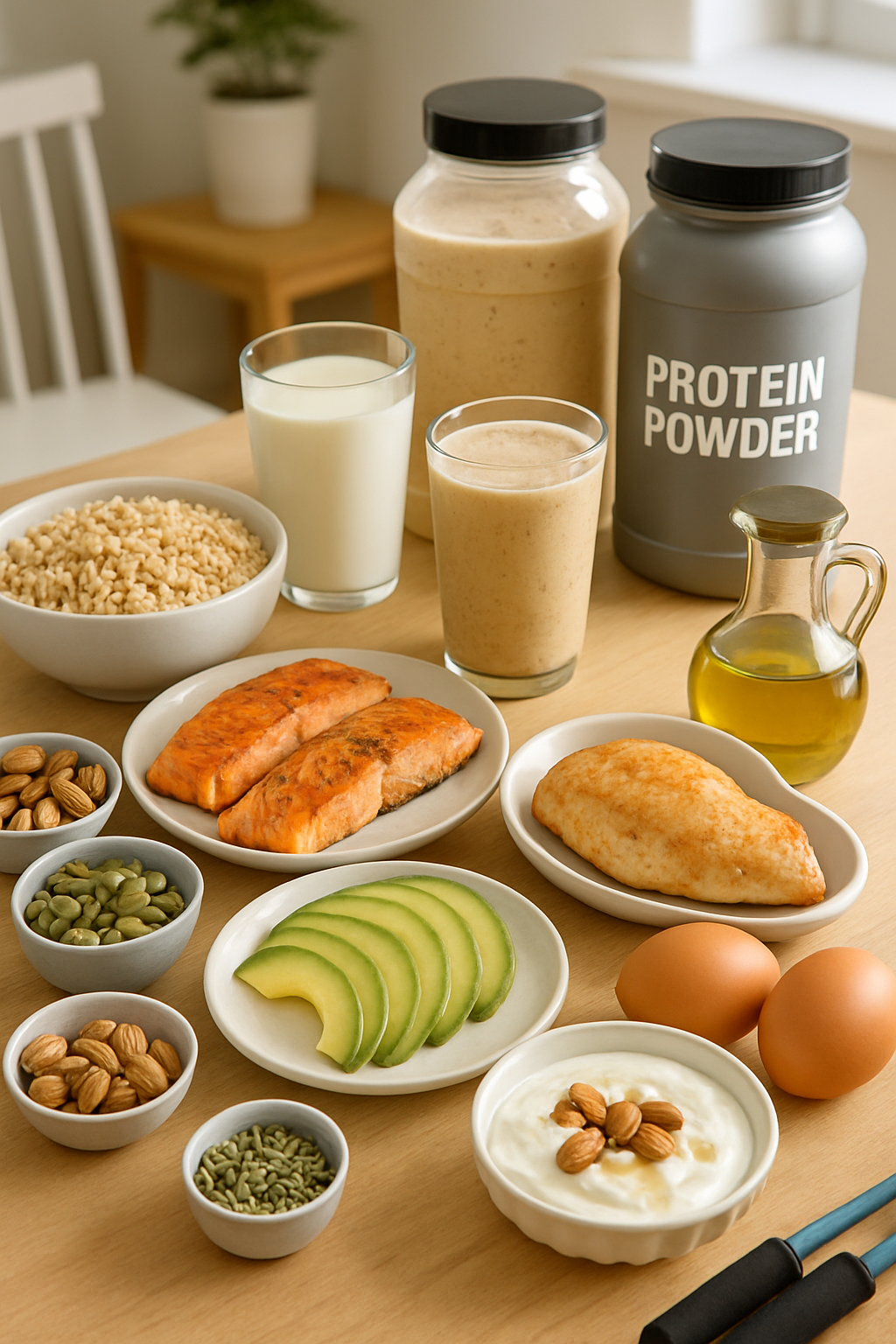
- Best Protein Sources: Chicken breast, lean beef, fish (salmon, tuna), eggs, Greek yogurt, cottage cheese, milk, and plant-based options like tofu, lentils, and chickpeas.
2. Carbohydrates: The Fuel for Your Engine
Carbohydrates are your body's primary and preferred energy source. They fuel your workouts, allowing you to lift heavier and push harder. They also have a 'protein-sparing' effect, meaning your body uses carbs for energy, leaving your precious protein to focus on muscle building.
- Best Carb Sources: Focus on complex carbohydrates that provide sustained energy, such as oats, brown rice, quinoa, potatoes, sweet potatoes, and whole-wheat pasta and bread.
3. Healthy Fats: Your Calorie-Dense Secret Weapon
Fat is the most calorie-dense macronutrient (9 calories per gram vs. 4 for protein and carbs). This makes it an ectomorph's best friend for easily increasing calorie intake without adding huge food volume. Healthy fats are also vital for hormone production, including hormones essential for muscle growth.
- Best Fat Sources: Avocados, nuts (almonds, walnuts), seeds (chia, flax), nut butters, olive oil, and fatty fish like salmon.
Smart Eating Strategies: How to Actually Eat More Food
Knowing what to eat is one thing; putting it into practice is another. These strategies make hitting your calorie goals manageable for any 'hardgainer'.
- Eat More Frequently: Instead of three huge meals that leave you feeling bloated, aim for 5-6 smaller, calorie-dense meals and snacks throughout the day. This keeps a steady stream of nutrients flowing to your muscles.
- Prioritize Calorie-Dense Foods: Choose foods that pack more calories per bite. For example, use whole milk instead of skim, cook vegetables with a tablespoon of olive oil, and snack on nuts and seeds.
- Drink Your Calories: Liquid calories are less filling, making them a perfect tool. A daily high-calorie smoothie can easily add 500+ calories to your diet.
Ultimate Weight Gain Smoothie Recipe: Blend 1 scoop protein powder, 1 cup whole milk (or almond milk), 1 banana, 2 tablespoons of peanut butter, 1 tablespoon of chia seeds, and a handful of spinach. This is a nutrient-packed, delicious way to boost your daily intake.
The Game Changer: A Sample Weight Gain Meal Plan
Here is an example of what a high-calorie day could look like, focusing on healthy foods to gain weight. Adjust portion sizes based on your specific 300-500 calorie surplus goal.
- Meal 1 (7 AM): Scrambled eggs (3) with cheese and a side of whole-wheat toast (2 slices) with avocado.
- Meal 2 (10 AM): Greek yogurt (1 cup) mixed with a scoop of protein powder, topped with berries and a handful of almonds.
- Meal 3 (1 PM): Large chicken breast (6oz), a large portion of quinoa (1.5 cups cooked), and steamed broccoli with a drizzle of olive oil.
- Meal 4 (4 PM - Pre-Workout): A banana and a tablespoon of peanut butter.
- Meal 5 (7 PM - Post-Workout): The 'Ultimate Weight Gain Smoothie' from the recipe above.
- Meal 6 (9 PM): Cottage cheese (1 cup) with a handful of walnuts.
Train to Build, Not Just Burn: The Right Kind of Exercise
You cannot achieve healthy weight gain without giving your body a reason to build muscle. That reason is resistance training. The extra calories need a job to do, and lifting weights tells them to become new muscle tissue.
- Focus on Compound Exercises: These multi-joint movements recruit the most muscle and provide the biggest stimulus for growth. Your routine should be built around squats, deadlifts, bench press, overhead press, and rows.
- Embrace Progressive Overload: To keep growing, you must continuously challenge your muscles. Aim to gradually increase the weight, reps, or sets over time. This is the cornerstone of building muscle mass.
- Manage Your Cardio: Excessive cardio burns calories that could be used for building muscle. Limit it to 2-3 sessions of 20-30 minutes of low-intensity activity (like walking or light cycling) per week to maintain heart health without hurting your gains.
Smart Supplementation: A Helping Hand, Not a Magic Bullet
Supplements are not required, but they can make meeting your goals more convenient. Always adopt a 'Food First' philosophy.
- Protein Powder (Whey, Casein, Plant-based): An easy and efficient way to hit your daily protein target, perfect for post-workout shakes or smoothies.
- Creatine Monohydrate: The most researched supplement for performance. It helps increase strength and power output, allowing you to train harder and stimulate more growth.
- Mass Gainers: These are high-calorie shakes that can be effective but often contain high amounts of sugar. A better alternative is often to make your own high-calorie smoothie (like our recipe) where you control the ingredients.
Frequently Asked Questions (FAQ) About Gaining Weight
1. How fast can I healthily gain weight?
A healthy and sustainable rate of weight gain is 0.5 to 1 pound (or about 0.25 to 0.5 kg) per week. Faster gain is likely to be a higher percentage of body fat. Patience is key.
2. Is this weight gain advice different for women?
The principles are exactly the same: caloric surplus, adequate protein, and resistance training. Women can follow this guide perfectly. The only difference may be a slightly lower TDEE, so calorie and macro targets should be calculated individually. Gaining muscle will create a 'toned' look, not a 'bulky' one.
3. How do I make sure I gain muscle and not just fat?
There are three keys: 1) Don't overshoot your caloric surplus by too much (stick to 300-500 calories). 2) Eat enough protein (1.6-2.2g/kg). 3) Be consistent with your resistance training to signal your body to build muscle.
Conclusion: Your Path to a Stronger, Healthier Body
Gaining weight healthily is a marathon, not a sprint. It demands the same dedication as a weight loss journey, but the rewards—a stronger body, increased confidence, and better health—are immense. The pillars of your success are simple and powerful:
- A Consistent Caloric Surplus: Eat 300-500 more calories than you burn, daily.
- High Protein Intake: Fuel your muscles with 1.6-2.2g of protein per kg of body weight.
- Progressive Resistance Training: Challenge your muscles with compound lifts and strive to get stronger over time.
Be patient with your body and trust the process. Start today by calculating your TDEE and adding one high-calorie snack or smoothie to your daily routine. By following this guide, you're not just gaining weight—you're building a more resilient and powerful you.