


Defining Rapid Weight Loss
A rapid weight loss plan is a strategy where an individual loses more than two pounds (approximately 1 kilogram) per week over a period of several weeks. Achieving this accelerated rate of weight loss typically involves a significant reduction in daily calorie consumption.
The Mechanics of Rapid Weight Loss
These diet plans are often pursued by individuals with obesity who aim for quick results, though they are less frequently prescribed by healthcare professionals without close supervision. Anyone undertaking such a diet should be monitored by a provider, as rapid weight loss can be unsafe if done independently. These regimens are intended for short-term use, usually not extending beyond several weeks.
It's crucial to understand that individuals who lose weight quickly are significantly more prone to regaining it compared to those who lose weight gradually through sustainable dietary changes and physical activity. The body perceives rapid weight loss as a major stressor, triggering a powerful hormonal response that slows metabolism and promotes weight regain once the diet is relaxed or stopped. Accurate tracking is paramount, and this is where an AI-powered tool like SnapEat AI becomes invaluable. By using it as a smart calorie counter, you can precisely monitor your intake to meet strict dietary goals.
Very Low-Calorie Diet (VLCD)
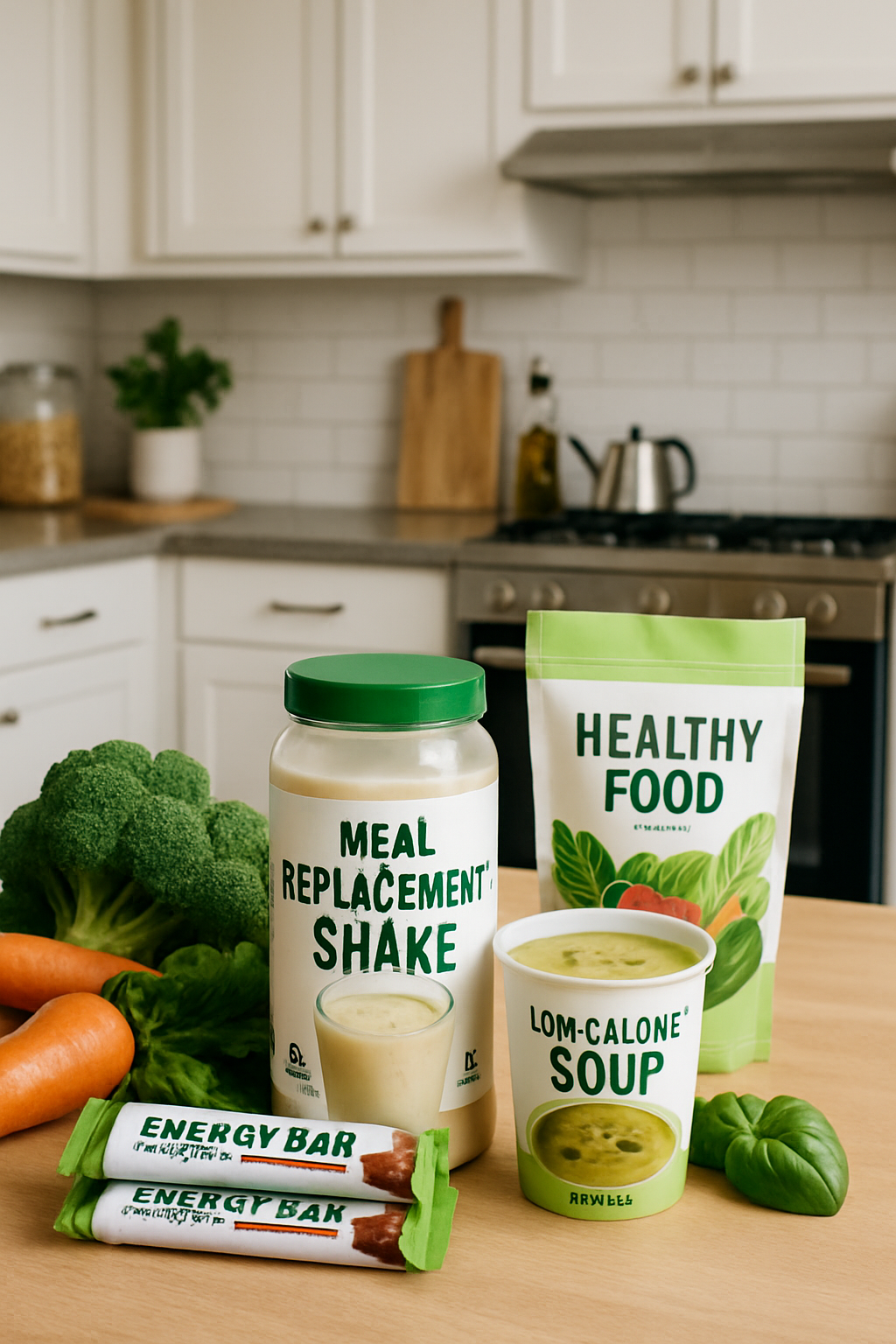
In a VLCD, daily caloric intake might be as low as 800 calories, potentially leading to a weight loss of 3 to 5 pounds (1.5 to 2 kg) per week. Most VLCDs utilize meal replacements like specialized formulas, shakes, or bars to ensure essential nutrient needs are met. A VLCD is typically reserved for adults with obesity for whom weight loss is a medical necessity, such as before bariatric surgery. This approach requires medical guidance, and experts generally advise against following a VLCD for more than 12 weeks. Using SnapEat AI can help ensure you're adhering to these precise calorie targets, providing the data needed for discussions with your healthcare provider.
Low-Calorie Diet (LCD)
An LCD generally permits 1,000 to 1,200 calories daily for women and 1,200 to 1,600 for men. For many seeking to lose weight quickly, an LCD is a more manageable alternative to a VLCD, though professional supervision is still recommended. While weight loss may be slightly slower than with a VLCD, the total amount of weight lost can be comparable over time. LCDs often combine meal replacements with regular food, making them easier to sustain. SnapEat AI's food recognition feature simplifies tracking both meal replacements and conventional foods, making compliance easier.
Time-Restricted Eating
This increasingly popular dietary approach involves limiting your daily food consumption to a specific window of time. A common method is the 16:8 protocol, where all meals are consumed within an 8-hour period (e.g., 11 AM to 7 PM), followed by a 16-hour fast. Studies suggest this method can induce rapid weight loss, but long-term sustainability data is still emerging. With SnapEat AI, you can easily log your meals and monitor your eating windows to track your progress effectively.
Intermittent Fasting
Fasting is a traditional method of calorie restriction that has gained modern popularity due to studies showing benefits for individuals with diabetes and obesity. Various fasting regimens exist, with the 5:2 system being one of the most well-known. This involves two non-consecutive days of fasting or a VLCD and five days of normal eating. Diets that include fasting can lead to rapid weight loss. Keeping a detailed log in an app like SnapEat AI can help you manage your fasting and eating days for consistent results.
The Role of Exercise
Rapid weight loss is primarily achieved by reducing calorie intake rather than by increasing exercise. Consult your provider about the appropriate type and amount of exercise to undertake while on a low-calorie plan. They might recommend waiting until you transition to a more sustainable, long-term diet before beginning a rigorous exercise routine. Once you do, SnapEat AI can sync with your health apps to provide a holistic view of your progress.
Potential Health Benefits
For individuals facing health issues due to obesity, a rapid weight loss diet can offer significant improvements in conditions such as:
- Diabetes
- High cholesterol
- High blood pressure
Possible Health Concerns
It is vital to follow these diets only under the guidance of a healthcare provider. Losing more than 1 to 2 pounds a week is not considered safe for most people and can lead to the loss of muscle, water, and bone density. Potential side effects of rapid weight loss include:
- Gallstones
- Gout
- Fatigue
- Constipation or diarrhea
- Nausea
Moreover, those who lose weight quickly are more likely to regain it rapidly, which can pose other health risks. Rapid weight loss diets are generally unsafe for children, teenagers, pregnant women, and older adults unless specifically recommended and monitored by a provider. Always consult your doctor before starting any new diet plan.