


What is Rapid Weight Loss?
A rapid weight loss plan is defined as any diet that results in losing more than 2 pounds (approximately 1 kilogram) per week over a period of several weeks. Achieving this accelerated rate of weight loss requires a significant reduction in daily calorie intake, a strategy known as creating a large calorie deficit.
How Do These Diets Work?
These aggressive diet plans are typically considered by individuals with obesity who aim for quick weight loss due to health-related reasons. However, they are not a one-size-fits-all solution and are less frequently recommended by healthcare professionals without close supervision. Embarking on a rapid weight loss journey alone can be unsafe, and it's crucial to have a provider monitoring your progress.
Such diets are intended for short-term use, rarely extending beyond several weeks. A primary challenge with rapid weight loss is the increased likelihood of regaining the weight over time compared to gradual, sustainable methods involving diet modifications and physical activity. The body perceives rapid weight loss as a significant stressor, triggering a powerful hormonal response that slows metabolism and promotes weight regain once the diet is relaxed. This makes meticulous tracking not just helpful, but essential. This is where modern technology like SnapEat AI becomes an indispensable partner, helping you monitor intake with precision.
Common Approaches to Rapid Weight Loss
Very Low-Calorie Diets (VLCDs)
In a VLCD, daily caloric intake can be as low as 800 calories, potentially leading to a weight loss of 3 to 5 pounds (1.5 to 2 kg) per week. These diets heavily rely on meal replacements like specialized formulas, soups, and shakes instead of conventional meals to ensure essential nutrient needs are met. With a VLCD, every calorie counts. SnapEat AI’s food recognition and smart calorie counter eliminate guesswork, allowing you to log meals accurately by simply taking a photo. This is especially useful for tracking specialized formulas or small meals to ensure you adhere to the strict limit without sacrificing nutritional data.
Low-Calorie Diets (LCDs)
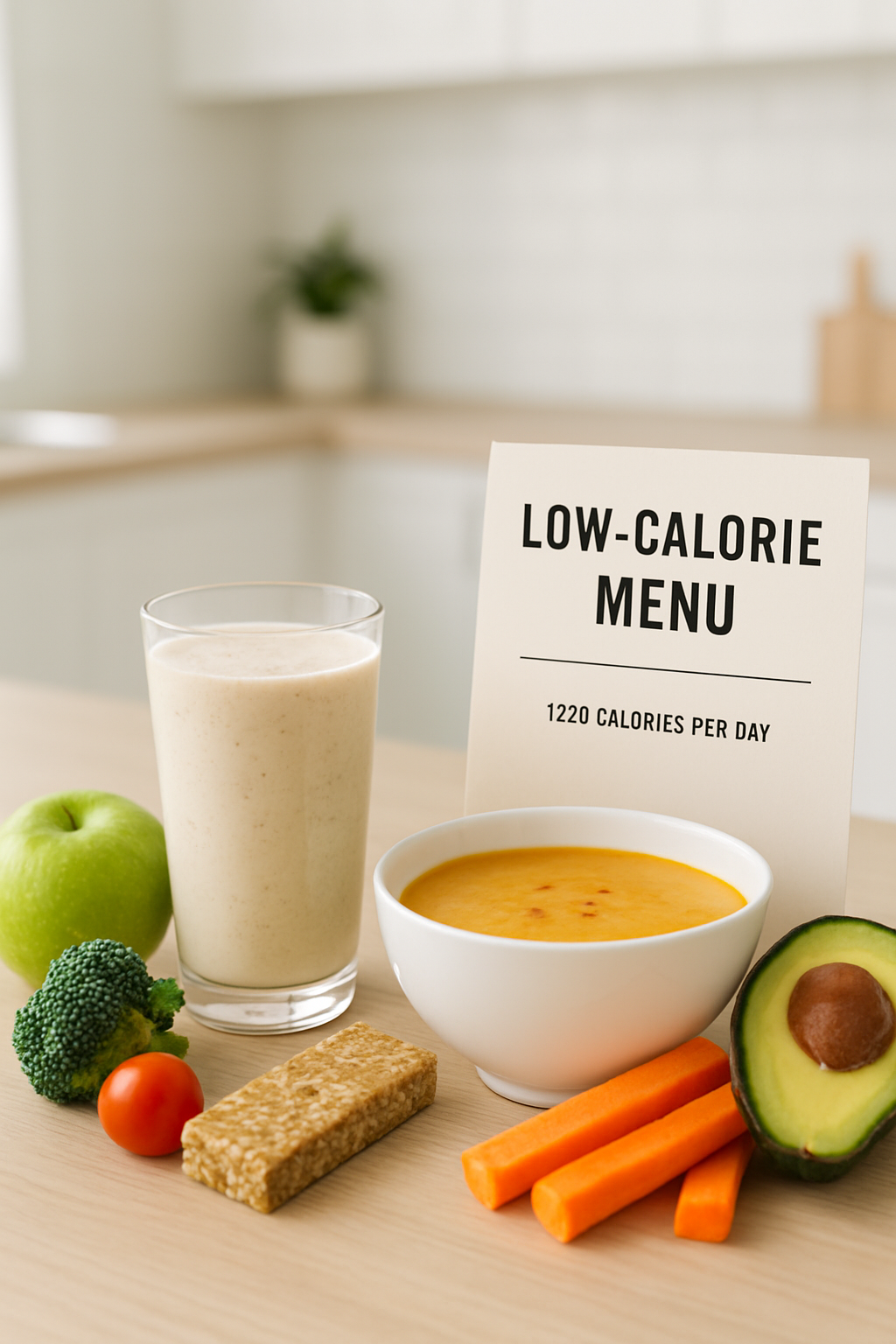
LCDs are a less extreme alternative, typically permitting 1,000 to 1,200 calories daily for women and 1,200 to 1,600 for men. An LCD is often considered a more manageable choice for rapid weight loss and can achieve similar long-term results as a VLCD. An LCD often combines meal replacements with regular food, making it more flexible. SnapEat AI helps you navigate this mix, providing a clear daily overview of your intake from various sources and ensuring you stay within your personalized goals.
Time-Restricted Eating & Intermittent Fasting
These popular strategies focus on *when* you eat rather than just *what* you eat. Time-restricted eating involves limiting all food consumption to a specific window each day, such as the 16:8 method (an 8-hour eating window). Intermittent fasting might involve more complex schedules, like the 5:2 system, with two days of very low-calorie intake per week. While these methods can induce rapid weight loss, the nutritional quality of your meals remains critical. Use SnapEat AI to monitor your eating windows and ensure you're getting balanced nutrition during your feeding periods, preventing over- or under-eating.
The Pitfall of Fad Diets
Many fad diets promise quick results by severely restricting calories or entire food groups. In many cases, these diets are nutritionally incomplete, unsustainable, and can be unsafe. Once the diet is stopped, the weight is often quickly regained. Instead of relying on a risky fad, a better approach is to build a sustainable plan. SnapEat AI empowers you to understand your eating habits and make lasting changes by providing data-driven insights, rather than encouraging a short-term fix.
The Role of Exercise and Health Sync
For rapid weight loss, calorie reduction plays a more significant role than exercise. It is important to talk with your provider about the appropriate type and intensity of exercise to undertake while on a very low-calorie plan. Your provider may suggest waiting until you transition to a more sustainable, long-term diet before beginning a rigorous exercise routine. When you're ready to incorporate physical activity, SnapEat AI syncs with your health apps. This gives you and your healthcare provider a complete 360-degree view of your energy balance—calories in versus calories out—for a truly integrated approach to health.
Potential Benefits When Done Correctly
For individuals facing health complications due to obesity, a professionally supervised rapid weight loss plan can offer significant benefits. Losing a substantial amount of weight quickly can help improve conditions such as diabetes, high cholesterol, and high blood pressure.
Understanding the Health Concerns
It's vital to follow a rapid weight loss diet only with the guidance of a healthcare provider. Losing more than 1 to 2 pounds a week is not considered safe for most people and can lead to the loss of muscle, water, and bone density. Rapid weight loss may also trigger side effects, including gallstones, gout, fatigue, constipation, diarrhea, and nausea. Individuals who lose weight quickly are also far more likely to regain it. While SnapEat AI is a powerful tool for tracking, it is not a substitute for medical advice. Use the data you gather from the app to have more informed conversations with your doctor or registered dietitian to ensure your weight loss journey is both safe and effective. These diets are generally not recommended for children, teens, pregnant women, or older adults unless specifically advised by a provider.