


What is a Rapid Weight Loss Diet?
A rapid weight loss diet is any eating plan where you aim to lose more than 2 pounds (approximately 1 kilogram) per week over several weeks. This accelerated pace is achieved by creating a significant calorie deficit, meaning you consume far fewer calories than your body uses.
How an AI Coach Transforms Your Diet
Embarking on a rapid weight loss journey requires precision and consistency, which is why many turn to smart technology. Tools like SnapEat AI are designed for individuals with ambitious weight loss goals who want to pursue them intelligently and safely. SnapEat AI acts as your personal nutrition coach, providing detailed tracking and insights that are crucial for success. These diets are intended for short-term use and are most effective when monitored. While people who lose weight quickly are more susceptible to regaining it, using a tool like SnapEat AI to transition to a sustainable lifestyle can greatly improve long-term outcomes. The body's hormonal response to drastic weight loss can slow metabolism, but a data-driven approach helps you manage this transition effectively.
Managing Very Low-Calorie Diets (VLCDs)
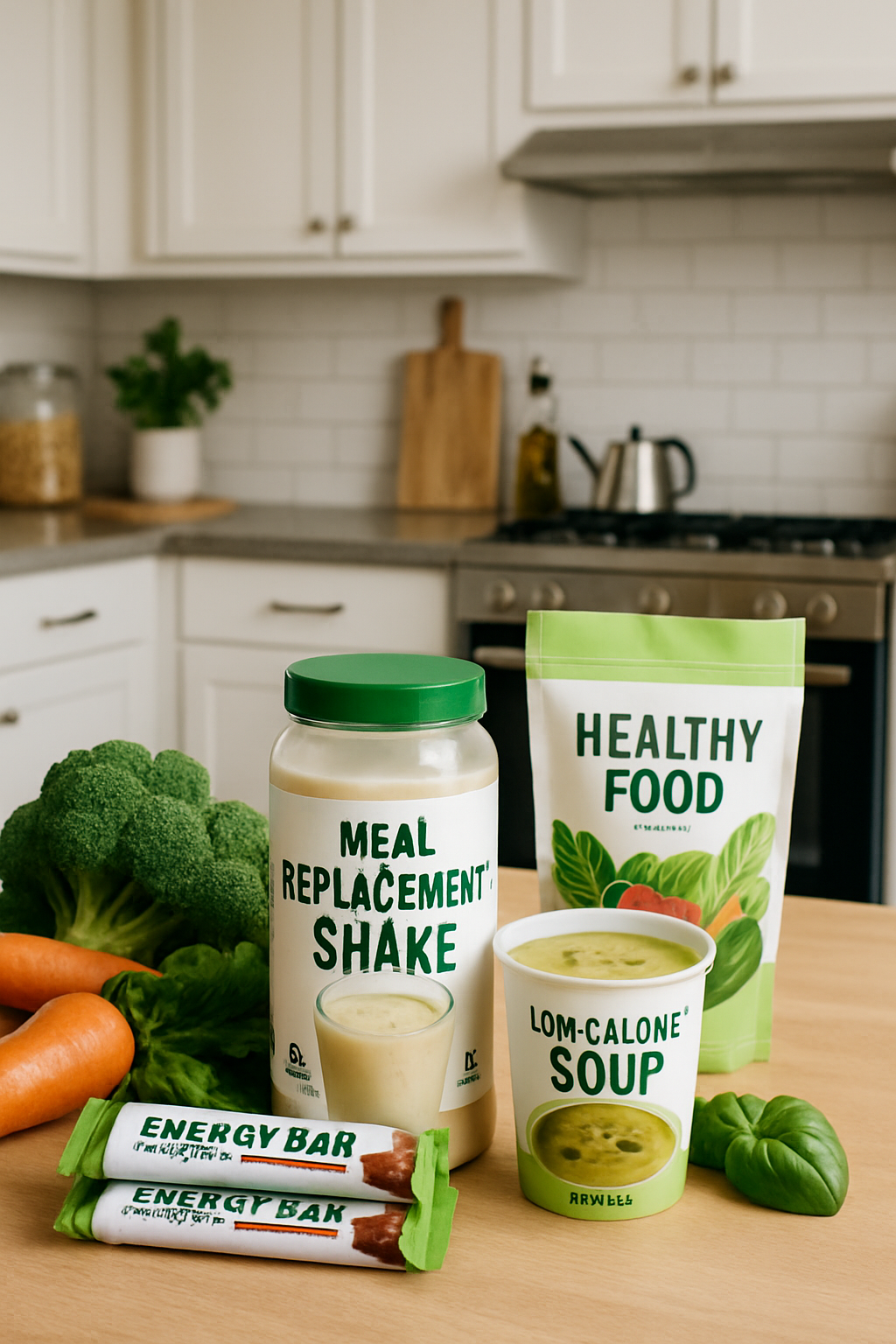
On a VLCD, daily calorie intake can be as low as 800 calories, potentially leading to a weight loss of 3 to 5 pounds per week. Many VLCDs use meal replacements like shakes and bars to ensure essential nutrient needs are met. SnapEat AI is the perfect companion for a VLCD, allowing you to meticulously log every item by simply taking a picture. Its AI-powered food recognition and extensive database ensure you get an accurate count of calories and macronutrients, which is vital when intake is so restricted. A VLCD is typically recommended for adults with obesity under professional guidance and should not be followed for more than 12 weeks.
Succeeding with Low-Calorie Diets (LCDs)
A more moderate and sustainable approach, an LCD generally allows 1,000 to 1,200 calories daily for women and 1,200 to 1,600 for men. While the weight loss is slightly slower than a VLCD, an LCD is often a better choice for most people. SnapEat AI simplifies managing an LCD by acting as a smart calorie counter. Whether you're eating regular meals or using meal replacements, a quick snap is all it takes to log your food and see if you're staying within your personalized daily budget. This makes the diet easier to follow and maintain.
Tracking Time-Restricted Eating & Intermittent Fasting
Time-restricted eating, like the popular 16:8 method (eating within an 8-hour window), and intermittent fasting, such as the 5:2 plan (two low-calorie days per week), have gained traction for their effectiveness in weight management. The key challenge is ensuring you receive adequate nutrition within your eating periods. SnapEat AI helps you monitor your eating windows and logs your meals to provide a complete overview of your daily intake, ensuring your fasting strategy is both effective and healthy.
Avoiding Unsustainable Fad Diets
Many fad diets promise rapid weight loss by severely restricting food groups or calories, but they are often unhealthy and unsustainable. Once the diet ends, weight is often regained. SnapEat AI promotes a different path—one based on data, not deprivation. By helping you understand your eating habits and make informed choices, it encourages the development of long-term healthy patterns for sustainable weight management, aiming for a safe loss of 0.5 to 1 pound per week.
The Role of Exercise with Smart Tracking
While cutting calories is the primary driver of rapid weight loss, exercise plays a supporting role. Syncing SnapEat AI with your health and fitness apps provides a holistic view of your energy balance—calories in versus calories out. It is important to consult your provider about the appropriate type and intensity of exercise to undertake while on a reduced-calorie plan.
Achievable Health Benefits
For individuals with health issues related to obesity, achieving significant weight loss quickly can offer substantial benefits. With consistent tracking using SnapEat AI, you can work towards improving conditions such as:
- Diabetes
- High cholesterol
- High blood pressure
Navigating Potential Concerns with Data
Losing more than 1 to 2 pounds a week should be done with care, as it can carry risks like muscle loss, fatigue, and nutrient deficiencies. Rapid weight loss can also lead to side effects such as gallstones, constipation, or nausea. SnapEat AI helps you navigate these concerns by providing clear, actionable data on your nutritional intake. This empowers you and your healthcare provider to make informed adjustments to your plan, ensuring your journey is as safe as possible. Quick weight regain is also a risk, but using the insights from SnapEat AI can help you transition to a balanced diet and maintain your results. A rapid weight loss plan is generally not recommended for children, teens, pregnant women, or older adults without a provider's supervision.