


What is Rapid Weight Loss?
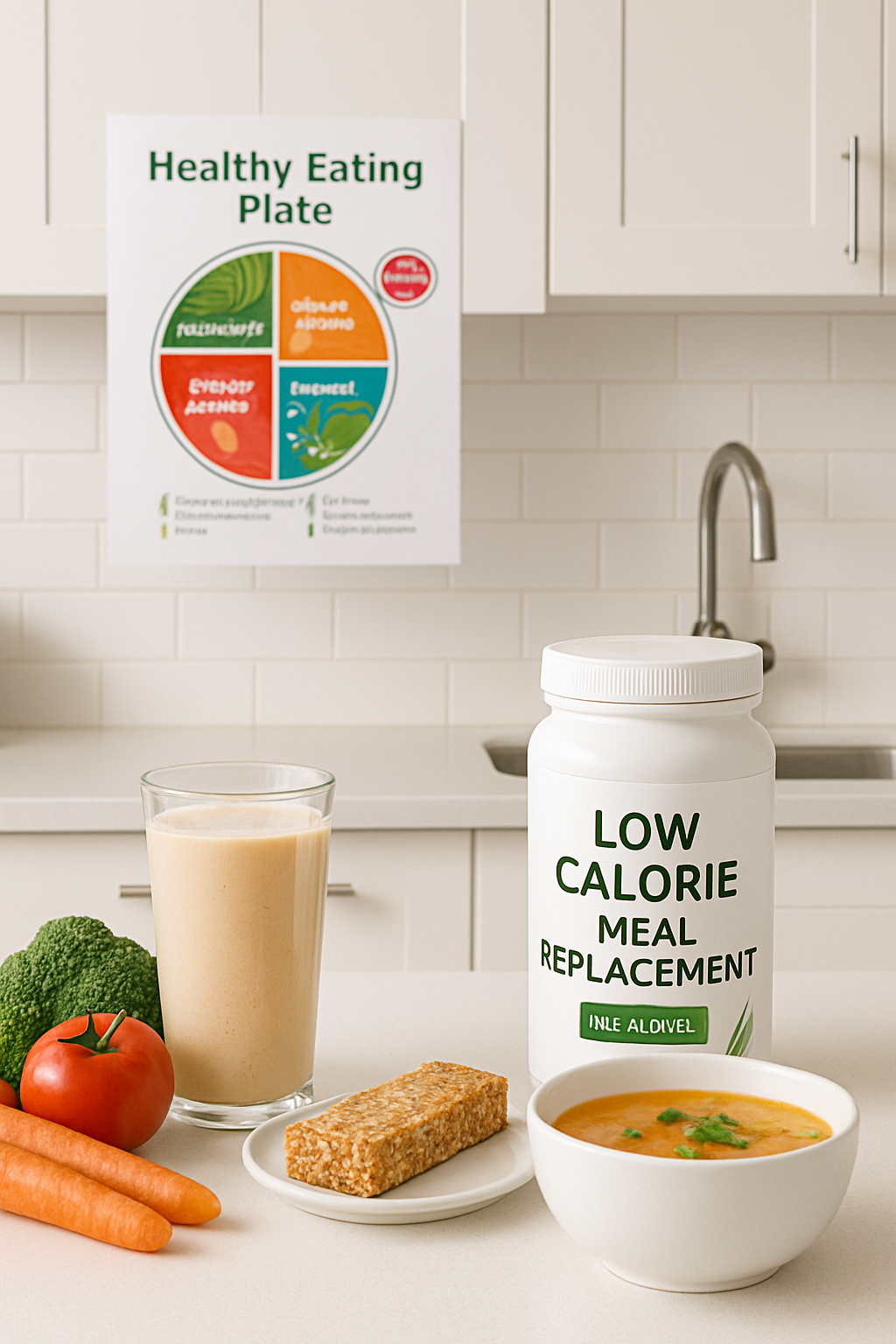
Rapid weight loss refers to a dietary approach where an individual loses more than 2 pounds (approximately 1 kilogram) per week over a period of several weeks. This accelerated pace is achieved by creating a significant calorie deficit, meaning you consume far fewer calories than your body uses for energy. It's a method that promises quick results but demands careful consideration and management.
Common Strategies for Rapid Weight Loss
These strategies are typically recommended for individuals with obesity seeking rapid results for health reasons and should be undertaken with professional oversight. A smart tracking tool is essential to ensure nutritional needs are met despite the low calorie intake.
Very Low-Calorie Diets (VLCD)
In a VLCD, daily calorie intake may be restricted to as little as 800 calories, leading to a potential weight loss of 3 to 5 pounds per week. These diets heavily rely on medically formulated meal replacements like shakes, soups, or bars to ensure essential nutrient intake is maintained. A VLCD is a serious medical intervention intended for adults with obesity, often as a precursor to weight-loss surgery, and must be supervised by a healthcare provider for a short duration, typically not exceeding 12 weeks.
Low-Calorie Diets (LCD)
A more moderate yet still effective approach, an LCD generally permits 1,000 to 1,200 calories daily for women and 1,200 to 1,600 for men. While weight loss is slightly slower than with a VLCD, an LCD can achieve similar long-term results and is often considered a safer starting point. This is where an intelligent tool like SnapEat AI becomes a powerful ally. By simply taking a picture of your food, the AI instantly recognizes it and calculates the calories and macronutrients, making it effortless to adhere to your daily targets and ensuring your meals are balanced.
Time-Restricted Eating
This increasingly popular method involves limiting your eating to a specific window each day. A common format is the 16:8 schedule, where you consume all your meals within an 8-hour period and fast for the remaining 16 hours. While studies suggest this can induce rapid weight loss, using a tool like SnapEat AI during your eating window is crucial to confirm that your meals are nutrient-dense and align with your overall health goals.
Intermittent Fasting
Intermittent fasting extends the concept of caloric restriction through various schedules. The 5:2 plan, for instance, involves eating normally for five days a week and restricting calories to a VLCD level on two non-consecutive days. This method has shown promise in some studies for managing diabetes and obesity. Accurate tracking on fasting days is critical to success and safety, a task simplified by AI-powered calorie counters.
The Dangers of Fad Diets
Many fad diets promise rapid weight loss by drastically cutting calories or eliminating entire food groups. However, these diets are often nutritionally incomplete and unsustainable. Once the diet ends, people frequently revert to old habits and regain the lost weight. A structured, informed approach is far safer. Rather than following a rigid, unsupported fad, using a smart app to understand your personal eating habits provides a foundation for lasting change.
The Role of Exercise
For rapid weight loss, the primary driver is calorie reduction. Exercise plays a supportive role, but the type and intensity should be discussed with your healthcare provider, as a very low-calorie intake may not support a strenuous fitness regimen. Your provider might recommend integrating a more robust exercise plan once you transition to a sustainable, long-term diet.
Potential Health Benefits
For individuals whose weight contributes to significant health issues, a medically supervised rapid weight loss plan can offer substantial benefits by quickly improving conditions like:
- Type 2 Diabetes
- High Cholesterol
- High Blood Pressure
Understanding the Health Concerns
Embarking on a rapid weight loss diet without medical guidance is risky. Losing more than 1-2 pounds weekly can lead to the loss of muscle mass, bone density, and water, not just fat. It can also trigger a range of unpleasant side effects, including:
- Gallstones
- Gout
- Fatigue and Dizziness
- Constipation or Diarrhea
- Nausea
Furthermore, rapid weight loss significantly increases the likelihood of rebound weight gain. This cycle can be detrimental to your metabolism and overall health. Such diets are generally not considered safe for children, adolescents, pregnant women, or older adults without a direct recommendation and close monitoring by a physician.
Smarter Tracking for Safer Results with SnapEat AI
While rapid weight loss has a clinical purpose, it's a serious undertaking. For the vast majority of people, a slower, more consistent loss of 0.5 to 1 pound per week is a safer and more sustainable path to long-term health. On this journey, knowledge is power. SnapEat AI acts as your all-in-one AI coach, transforming the way you manage your nutrition. By recognizing food from a photo, it provides instant calorie counts and nutritional insights, helping you track progress, set achievable goals, and build a healthier relationship with food. Whether you're on a specific diet plan or simply aiming for a healthier lifestyle, SnapEat AI provides the personalized guidance to make your health goals a reality.