


A Guide to Rapid Weight Loss with Your AI Coach
Embarking on a weight loss journey can feel overwhelming, especially when you're aiming for quick results. While rapid weight loss has specific applications, it requires careful planning and execution. This guide explores the principles of rapid weight loss and explains how a smart tool like SnapEat AI can be your essential partner in navigating this process safely and effectively. Use SnapEat AI to recognize food, track your intake with precision, and keep your health goals in sight.
What is Rapid Weight Loss?
Rapid weight loss is defined as shedding more than 2 pounds (or 1 kilogram) per week over a period of several weeks. Achieving this requires a significant reduction in daily calorie consumption, creating a substantial energy deficit that prompts the body to use stored fat.
How Do These Diets Work?
These diet plans are typically considered by individuals with obesity who need to lose weight quickly for health reasons, often under the guidance of a healthcare provider. Because of their restrictive nature, these diets are intended for short-term use, usually lasting no more than a few weeks. It's crucial that anyone on such a diet is closely monitored by a professional, as it may not be safe for everyone.
A key challenge with rapid weight loss is the high probability of regaining the weight. The body perceives rapid loss as a stressor, triggering strong hormonal responses that slow metabolism and increase hunger. This is where transitioning to a sustainable plan is vital. With SnapEat AI, you can precisely track your intake during the diet and later use it to build long-term healthy eating habits, reducing the risk of rebound weight gain.
Navigating Very Low-Calorie Diets (VLCDs)
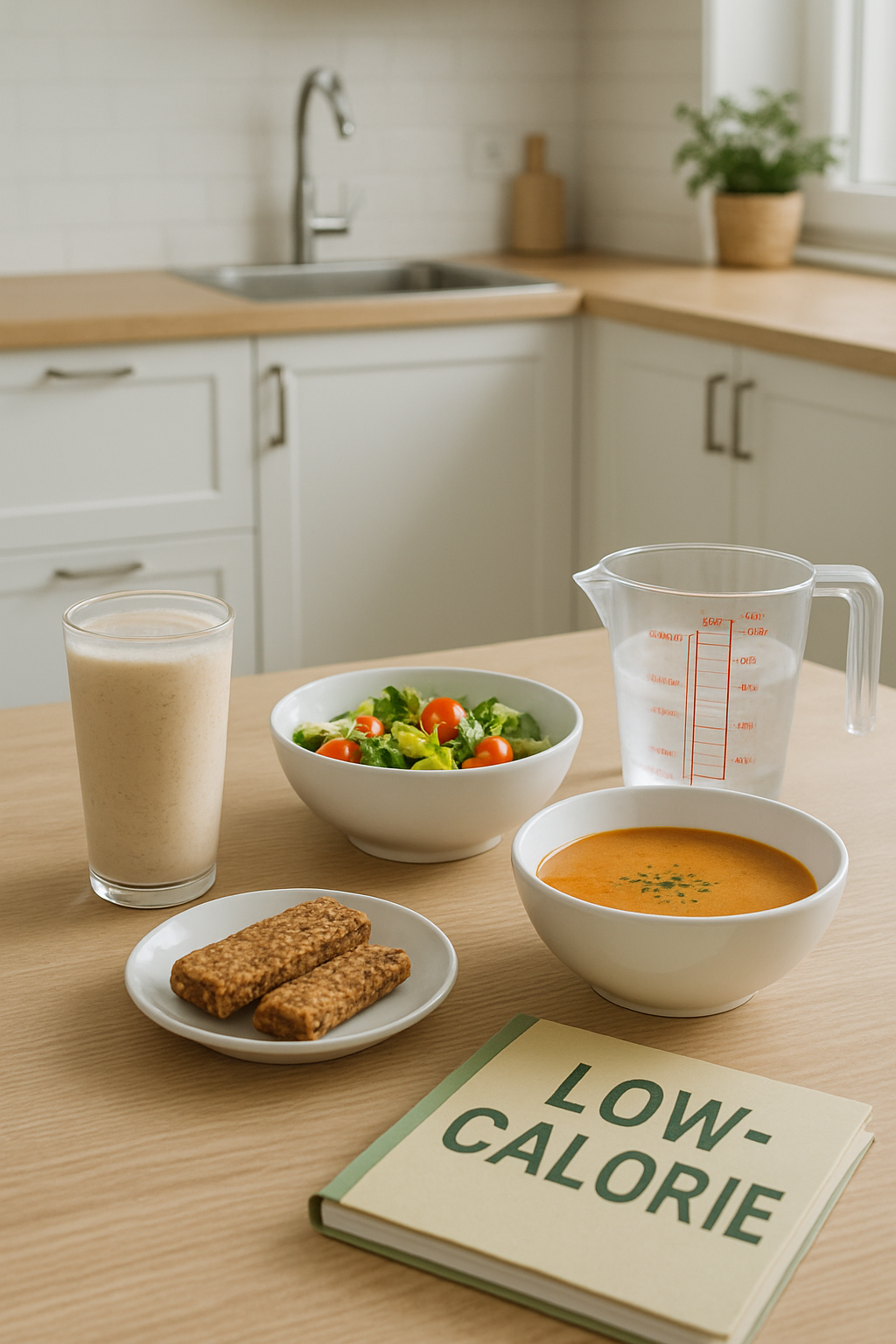
A VLCD is one of the most intense approaches, limiting intake to as little as 800 calories per day, which can lead to a loss of 3 to 5 pounds per week. These diets often rely on meal replacements like shakes, soups, or bars to ensure you receive essential nutrients. A VLCD is generally reserved for adults with obesity and should only be undertaken with medical supervision. Tracking is non-negotiable on a VLCD. Using SnapEat AI as your smart calorie counter ensures every calorie is accounted for, helping you adhere to your strict plan while getting a clearer picture of your nutrient intake.
The More Moderate Low-Calorie Diet (LCD)
An LCD allows for a higher intake—typically 1,000 to 1,200 calories for women and 1,200 to 1,600 for men. It's a more manageable yet still effective option for rapid weight loss and is often considered a better starting point. While the weight loss may be slightly slower than a VLCD, the total amount lost can be comparable over time. An LCD often includes a mix of meal replacements and regular foods, making it easier to follow. SnapEat AI simplifies this process, allowing you to instantly log meals just by taking a picture, making it effortless to stay within your daily calorie budget.
Modern Strategies: Time-Restricted Eating and Intermittent Fasting
Calorie restriction through fasting is gaining popularity. Time-restricted eating involves limiting your meals to a specific window each day, such as the 16:8 method (fasting for 16 hours, eating during an 8-hour window). Intermittent fasting might involve more complex schedules, like the 5:2 plan (eating normally for 5 days and following a VLCD for 2 days). These methods can induce rapid weight loss, and SnapEat AI is the perfect tool to monitor your eating windows and track your nutritional intake to ensure you're still meeting your body's needs.
A Word of Caution on Fad Diets
Many fad diets promise rapid weight loss through extreme and often unbalanced restrictions. These diets are typically unsustainable and can be unsafe. Once the diet ends, returning to old habits almost always leads to regaining the weight. Instead of relying on a temporary fix, it's safer to build lasting habits. A gradual loss of 0.5 to 2 pounds per week is a healthier, more sustainable goal for most people. SnapEat AI can help you achieve this by providing personalized insights and helping you build a balanced diet you can stick with.
What About Exercise?
With rapid weight loss diets, the primary focus is on reducing calorie intake. Intense exercise may not be advisable, especially on a VLCD, as your energy levels will be low. Always talk with your healthcare provider about what type and amount of physical activity is appropriate for you while on a restrictive diet.
Potential Health Benefits
For individuals whose weight contributes to health problems, rapid weight loss under medical supervision can offer significant benefits. These can include improvements in conditions like diabetes, high cholesterol, and high blood pressure.
Understanding the Risks and Side Effects
Losing more than 1-2 pounds a week is not recommended for most people without professional guidance. It can lead to the loss of muscle mass, water, and bone density. Side effects of rapid weight loss can include gallstones, gout, fatigue, constipation, diarrhea, and nausea. People who lose weight quickly are also far more likely to regain it. For this reason, these diets are generally not considered safe for children, teenagers, pregnant women, or older adults unless specifically recommended and monitored by a doctor.
While SnapEat AI is a powerful tool for tracking your diet, it is not a substitute for medical advice. Always consult a professional before starting any rapid weight loss plan.