


What is Considered Rapid Weight Loss?
Rapid weight loss is defined as losing more than 2 pounds (approximately 1 kilogram) per week over a period of several weeks. Achieving this typically requires a very significant reduction in daily calorie intake.
Common Strategies for Accelerated Weight Loss
These diet plans are frequently adopted by individuals with obesity seeking fast results. However, such methods are best undertaken with professional guidance, as rapid weight loss can pose risks if not managed correctly. These diets are intended for short-term use, generally not exceeding a few weeks. The weight lost quickly is more prone to being regained compared to weight lost gradually through sustainable lifestyle adjustments. The body's hormonal response to drastic weight loss is more intense, which can slow down metabolism and trigger weight regain once the diet is relaxed.
Very Low-Calorie Diets (VLCDs)
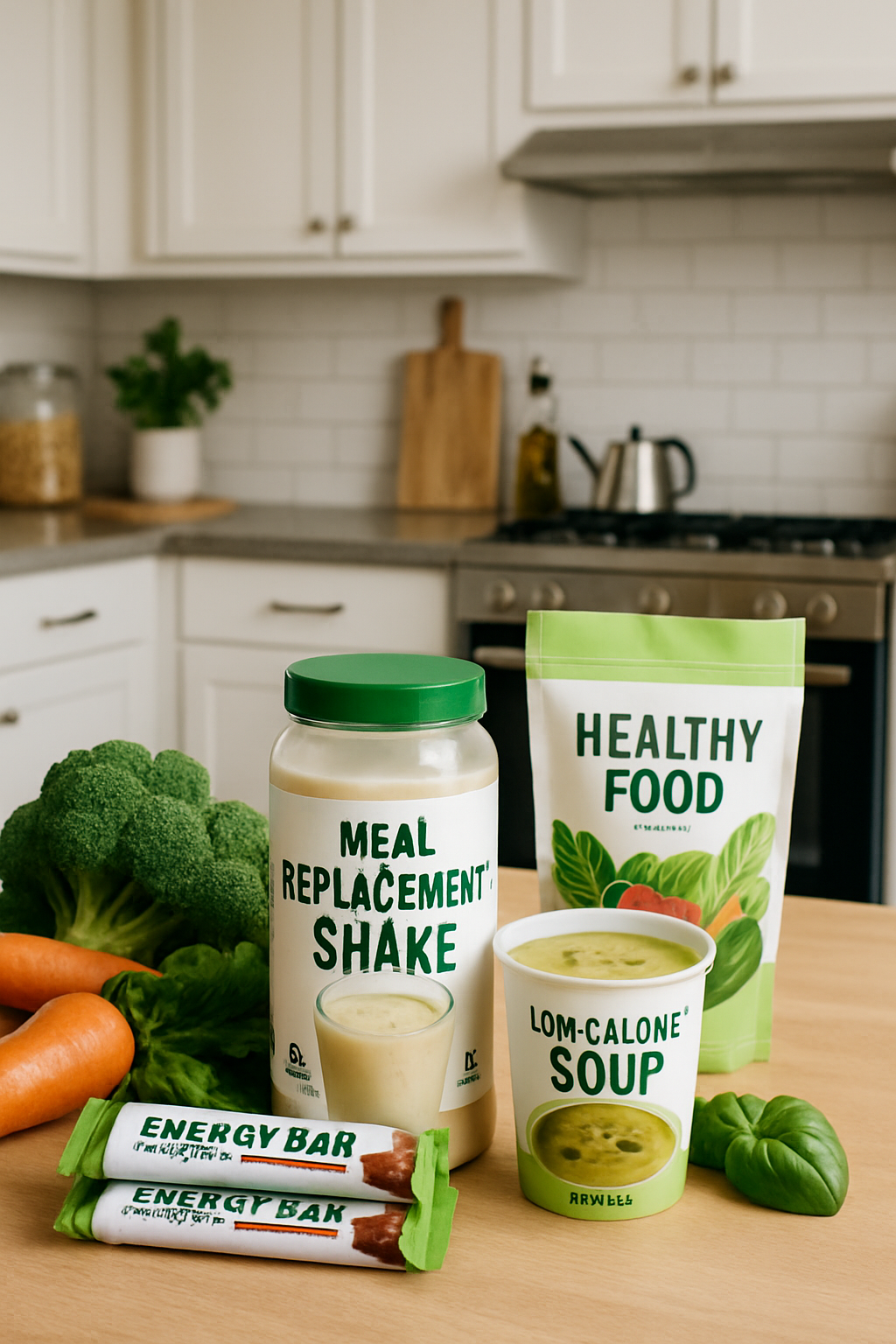
A VLCD can restrict you to as little as 800 calories per day, potentially leading to a loss of 3 to 5 pounds (1.5 to 2 kg) weekly. VLCDs often utilize meal replacements like shakes, soups, or bars to ensure you receive essential daily nutrients. This is where a tool like SnapEat AI becomes invaluable. By simply snapping a photo of your meal, our AI-powered calorie counter makes it easy to adhere to a strict calorie budget without the guesswork, ensuring you're tracking intake accurately.
Low-Calorie Diets (LCDs)
LCDs typically permit 1,000 to 1,200 calories daily for women and 1,200 to 1,600 for men. An LCD is often a more manageable alternative to a VLCD. While weight loss may be slightly slower, the total amount lost can be comparable over time. An LCD might combine meal replacements with regular food, making it more flexible. Using SnapEat AI as your smart calorie calculator helps you balance these mixed meals, making an LCD easier to follow consistently.
Time-Restricted Eating and Intermittent Fasting
Time-restricted eating, such as the popular 16:8 method (eating within an 8-hour window), is gaining traction. Similarly, intermittent fasting, like the 5:2 plan (two very low-calorie days and five normal eating days), restricts calories in cycles. Both can induce rapid weight loss. However, long-term success depends on what you eat during your non-fasting periods. SnapEat AI helps you monitor your eating windows and nutritional quality, ensuring your body gets what it needs to support healthy weight loss.
The Pitfalls of Fad Diets and Rebound Weight Gain
Many fad diets promise quick results by severely limiting calories or food groups. While they might work initially, they are rarely sustainable. Once you stop the diet and revert to old habits, you are highly likely to regain the weight. For most individuals, a safer and more effective approach is a gradual loss of 0.5 to 1 pound per week.
The Smarter Approach: How SnapEat AI Transforms Your Journey
Instead of falling for unsustainable trends, you can achieve your goals with a smarter method. SnapEat AI is your all-in-one AI coach, designed for modern, effective weight management. It empowers you to:
- Recognize Food Instantly: Simply snap a picture of your meal, and our AI identifies it and calculates its nutritional value.
- Track with Precision: Act as your intelligent calorie counter, eliminating manual entry and estimation errors.
- Set & Achieve Goals: Define your weight loss targets, and let the app help you stay on track.
- Get Personalized Guidance: Receive insights tailored to your habits and progress, helping you build a healthier relationship with food.
Integrating Exercise and Syncing Your Health
Effective weight management is about more than just diet; it's a holistic process. While cutting calories is key for initial loss, incorporating exercise is crucial for long-term maintenance and overall health. Talk to your provider about suitable exercises for your plan. SnapEat AI supports this by allowing you to sync your health data, giving you a complete picture of your activity levels alongside your nutrition, helping you make more informed decisions daily.
Potential Risks and How to Stay Safe
Losing weight too quickly on your own can be risky, potentially leading to the loss of muscle, water, and bone density, along with side effects like fatigue, gallstones, constipation, or nausea. People who lose weight rapidly are also more prone to regaining it. SnapEat AI helps mitigate these risks by promoting a balanced and monitored approach. By tracking your intake, you can ensure you're not missing out on vital nutrients. An AI coach keeps you accountable for sustainable progress, not just rapid, temporary change. Always consult a healthcare provider before starting any new diet plan, especially a restrictive one.