


Definition: What is a Rapid Weight Loss Diet?
A rapid weight loss diet is a nutritional plan where an individual loses more than 2 pounds (approximately 1 kilogram) per week over a period of several weeks. Achieving this accelerated rate of weight loss typically involves a significant reduction in daily calorie consumption, often to very low levels.
How SnapEat AI Revolutionizes Your Weight Loss Journey
These intensive diets are often considered by individuals with obesity who aim for quick results, though they are best undertaken with professional guidance. A primary challenge is the high risk of regaining weight once the diet stops. The body's hormonal response to drastic weight loss can slow metabolism and increase appetite, making rebound weight gain common.
This is where SnapEat AI, your all-in-one AI coach, becomes a game-changer. By providing precise food recognition and calorie tracking, SnapEat AI empowers you to adhere to your plan with accuracy. It transforms a stressful manual counting process into an effortless one, helping you build sustainable habits and mitigate the common pitfalls of rapid weight loss. These diets are intended for short-term use, and using a smart tool ensures you stay on track safely.
Exploring Rapid Weight Loss Strategies
Several types of diets can lead to rapid weight loss. Here’s how SnapEat AI supports each one:
Very Low-Calorie Diet (VLCD)
With a VLCD, your daily intake might be as low as 800 calories, potentially leading to a weight loss of 3 to 5 pounds (1.5 to 2 kg) per week. These diets often rely on meal replacements like shakes, soups, or bars. SnapEat AI's smart calorie counter makes it simple to log these items or any regular food, ensuring you stay within this strict limit while monitoring your nutritional intake. A VLCD is typically recommended only for adults with obesity for specific health reasons, such as preparation for surgery, and should always be supervised by a healthcare provider for a limited duration (usually under 12 weeks).
Low-Calorie Diet (LCD)
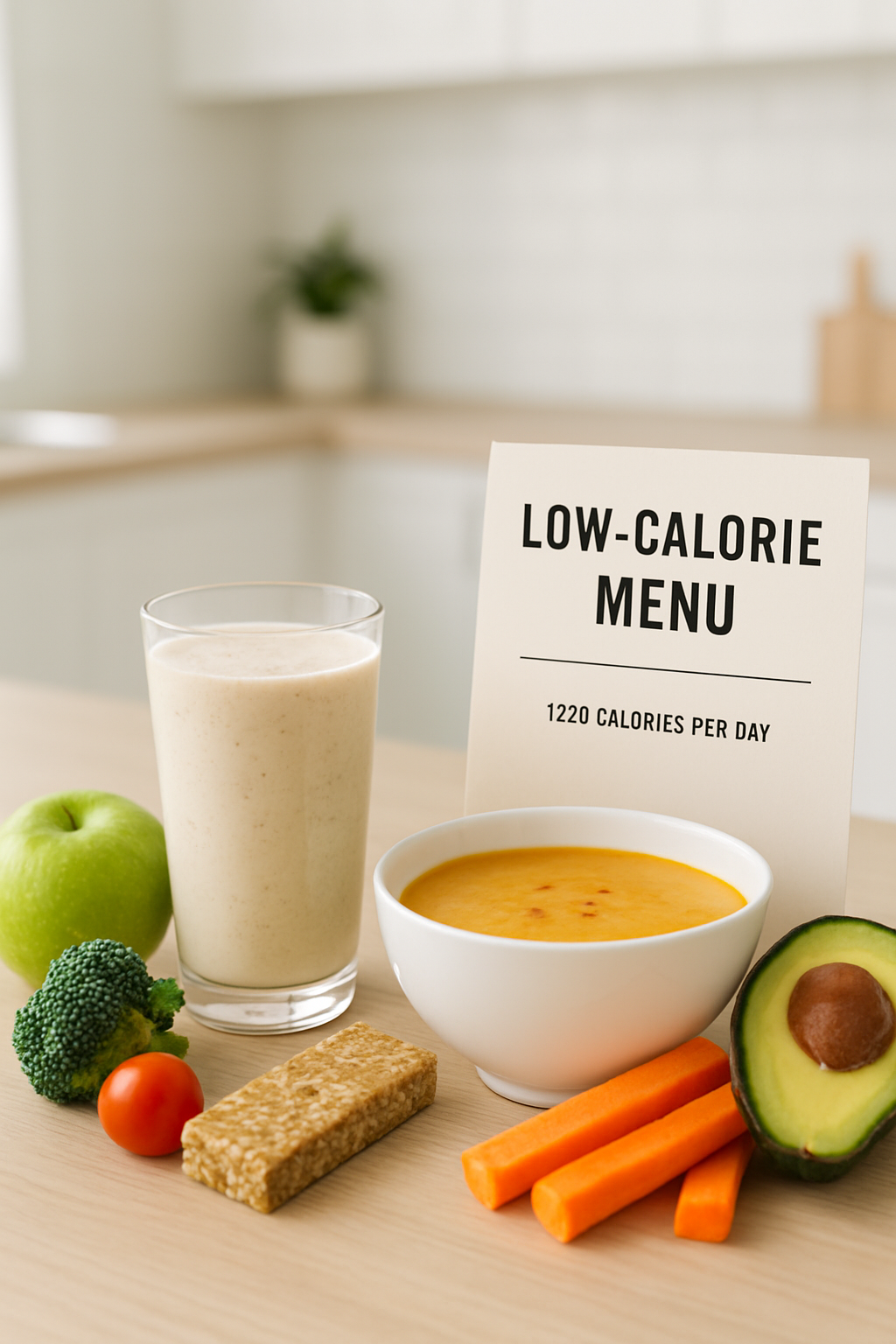
An LCD is a more moderate approach, generally allowing 1,000 to 1,200 calories daily for women and 1,200 to 1,600 for men. While the weight loss is slightly slower than a VLCD, it can be equally effective over time and is often considered a more sustainable choice. With SnapEat AI, you can easily track a mix of meal replacements and whole foods, making it simpler to create a varied and satisfying meal plan that meets your goals under professional supervision.
Time-Restricted Eating and Intermittent Fasting
These increasingly popular strategies focus on *when* you eat, not just *what* you eat. Methods like the 16:8 plan (eating within an 8-hour window) or the 5:2 system (two very low-calorie days per week) restrict caloric intake by limiting eating times. SnapEat AI is the perfect tool for this approach. You can easily track your eating windows and log your meals to ensure you are hitting your calorie targets during your designated eating periods, which studies suggest can induce rapid weight loss.
The Pitfall of Fad Diets
Many fad diets promise rapid weight loss by severely restricting calories or food groups. However, these diets are often unsafe, nutritionally incomplete, and unsustainable. The risk of regaining the weight is extremely high once you revert to old habits. Instead of chasing trends, SnapEat AI helps you build a healthy relationship with food by providing personalized insights and data, promoting a safe and sustainable journey towards your goals.
The Role of Exercise and Health Syncing
While diet is the primary driver of rapid weight loss, exercise plays a vital role in long-term health. As you transition to a more sustainable diet plan, your provider may recommend incorporating physical activity. SnapEat AI supports this holistic approach by syncing your health data, allowing you to see a complete picture of your calorie intake and expenditure, keeping you motivated and informed.
Potential Health Benefits
For individuals whose weight contributes to health problems, rapid weight loss under medical supervision can offer significant benefits, helping to improve conditions such as:
- Diabetes
- High cholesterol
- High blood pressure
Navigating Health Concerns Safely
Losing weight too quickly without professional oversight can be risky. Dropping more than 1-2 pounds per week can lead to the loss of muscle mass, bone density, and water. It can also trigger side effects like gallstones, gout, fatigue, and nausea. SnapEat AI acts as your personal health log, providing accurate data on your food intake that you can share with your healthcare provider. This ensures you can make informed decisions together. A rapid weight loss plan is generally not recommended for children, teens, pregnant women, or older adults unless specifically advised by a doctor. Always consult a professional before starting any new diet plan.