


What Defines Rapid Weight Loss?
A rapid weight loss plan is any dietary approach that results in shedding more than 2 pounds (or 1 kilogram) per week over a sustained period. This accelerated pace is achieved through a significant reduction in daily calorie intake. To lose weight so quickly, one must consume very few calories, a strategy that requires careful planning and tracking.
Popular Strategies for Accelerated Weight Loss
These diets are often considered by individuals with obesity who aim for quick results, though they are less frequently endorsed by healthcare professionals for independent use. Anyone on such a diet should be monitored by a provider, as rapid weight loss can be unsafe for many. These plans are intended for short-term use, typically not exceeding several weeks. The primary reason for caution is the high likelihood of regaining weight. The body experiences significant stress from rapid weight loss, triggering a strong hormonal response that slows metabolism and promotes weight regain once the diet is relaxed.
Very Low-Calorie Diets (VLCD)
On a VLCD, you might consume as few as 800 calories per day, potentially losing up to 3 to 5 pounds (1.5 to 2 kg) weekly. Most VLCDs utilize meal replacements like formulas, soups, and shakes instead of conventional meals to ensure you receive all necessary daily nutrients. Using a smart calorie counter like SnapEat AI is crucial to guarantee you are hitting these precise targets without guesswork. A VLCD is generally recommended only for adults with obesity who need to lose weight for health reasons, often before bariatric surgery, and should always be supervised by a provider for a period not exceeding 12 weeks.
Low-Calorie Diets (LCD)
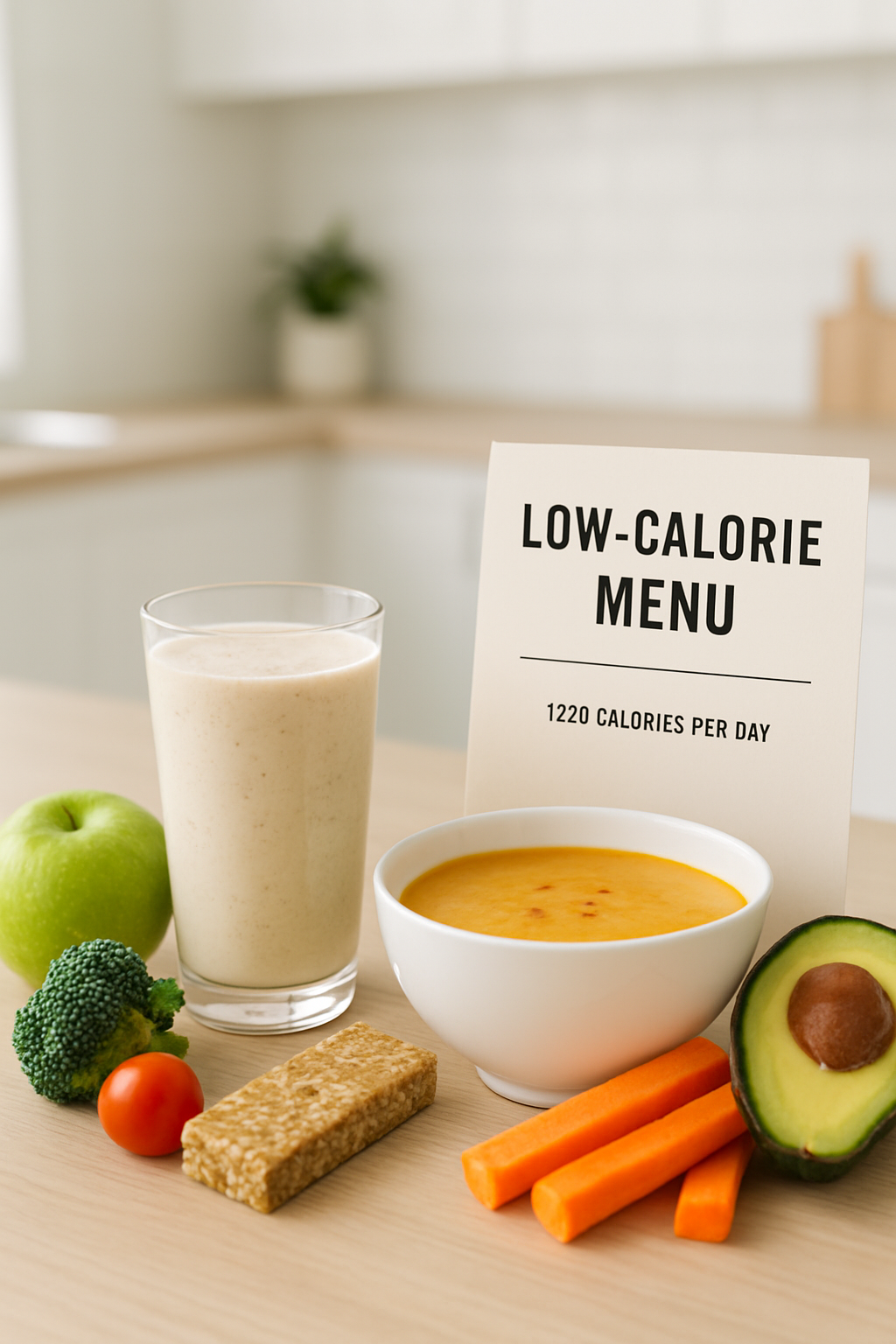
These plans typically permit around 1,000 to 1,200 calories daily for women and 1,200 to 1,600 for men. An LCD is a more viable option than a VLCD for most people seeking quick results, though professional supervision is still advised. While weight loss is not as fast as a VLCD, the total amount lost can be comparable. An LCD may involve a combination of meal replacements and regular food, making it easier to follow. SnapEat AI can help you track this mix, providing a clear overview of your intake.
Time-Restricted Eating
This increasingly popular strategy limits the hours you can eat each day. A common approach is the 16:8 method, where all meals are consumed within an 8-hour window (e.g., 10 am to 6 pm). Studies indicate this can lead to rapid weight loss, but data on long-term sustainability is still emerging.
Intermittent Fasting
Fasting is a traditional form of calorie restriction that has recently seen a surge in popularity, partly due to studies showing benefits for individuals with diabetes and obesity. The 5:2 system is one popular regimen, involving two days of fasting or VLCD eating and five days of a normal diet. Diets incorporating fasting can trigger rapid weight loss.
The Pitfalls of Fad Diets
Some fad diets also severely restrict calories for quick results. These diets can be unsafe and are rarely sustainable enough for long-term weight loss. Once you discontinue the diet, you risk regaining the weight if you revert to old eating habits. For most, a safer approach is a diet promoting a loss of 1/2 to 1 pound (225 to 500 grams) per week.
The Role of Exercise and Technology
Rapid weight loss primarily hinges on cutting calories rather than exercise. Discuss with your provider what type of exercise is suitable for you during such a diet. They may suggest waiting until you transition to a more sustainable long-term plan before beginning an exercise regimen. Here, technology like SnapEat AI acts as your all-in-one AI coach, allowing you to recognize food with a snap, track your calorie intake, and sync your health data to monitor progress effectively.
Potential Health Advantages
A rapid weight loss diet is typically for individuals with health issues stemming from obesity. For them, losing significant weight quickly can help improve conditions such as:
- Diabetes
- High cholesterol
- High blood pressure
Understanding the Inherent Health Risks
You should only undertake one of these diets with guidance from your provider. Losing more than 1 or 2 pounds (0.5 to 1 kg) a week is unsafe for most people and can cause a loss of muscle, water, and bone density. Rapid weight loss can also lead to side effects, including:
- Gallstones
- Gout
- Fatigue
- Constipation
- Diarrhea
- Nausea