


What is a Rapid Weight Loss Diet?
A rapid weight loss diet is a strategy where an individual loses more than 2 pounds (lb) or 1 kilogram (kg) per week over a period of several weeks. Achieving this accelerated pace requires consuming very few calories, creating a significant energy deficit. While the prospect of fast results is appealing, the key to doing it successfully and safely lies in meticulous tracking and a deep understanding of your nutritional intake.
The Power of Smart Tracking with SnapEat AI
These diets are often pursued by individuals with obesity who aim for quick changes, but they demand careful supervision to be safe. This is where modern technology can revolutionize your approach. Instead of tedious manual logging, an AI-powered coach like SnapEat AI simplifies the entire process. As your all-in-one calorie calculator and smart counter, it allows you to track meals effortlessly by just taking a photo. Its AI recognizes food items, calculates calories, and provides a clear overview of your progress, empowering you to manage a restrictive diet with confidence and precision. These diets should only be undertaken for a short duration, typically not exceeding several weeks, and ideally under professional guidance.
It's important to note that individuals who lose weight very quickly have a higher tendency to regain it over time compared to those who adopt a slower, more gradual approach through sustainable diet changes and physical activity. Rapid weight loss places significant stress on the body, triggering a stronger hormonal response that can slow metabolism and encourage weight regain once the diet is relaxed.
Managing Very Low-Calorie Diets (VLCDs)
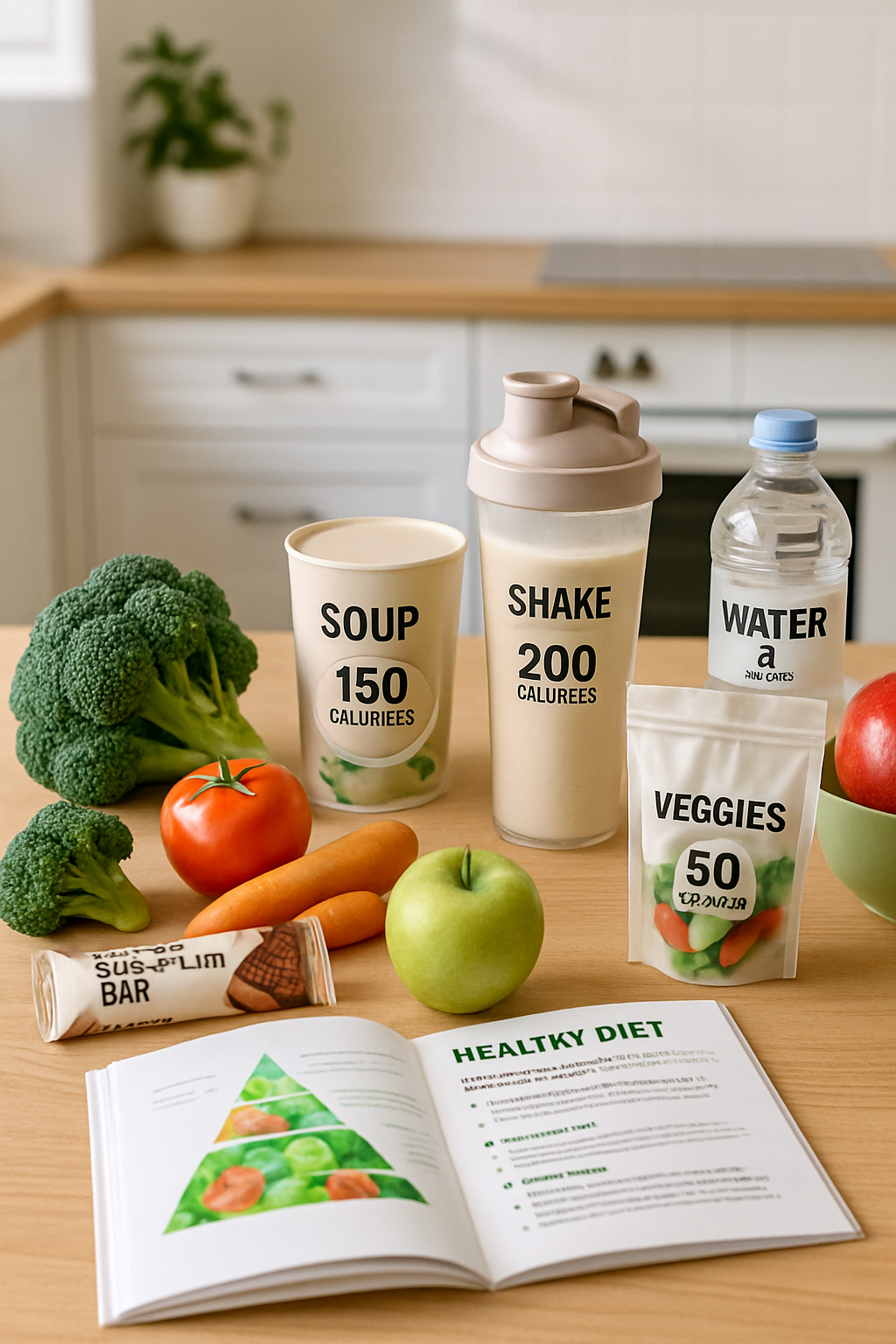
On a Very Low-Calorie Diet (VLCD), daily intake might be as low as 800 calories, potentially leading to a loss of 3 to 5 lbs (1.5 to 2 kg) per week. Most VLCDs utilize meal replacements like formulas, soups, and shakes instead of conventional meals to ensure you receive essential daily nutrients. SnapEat AI is invaluable here, as it accurately tracks these specialized products, ensuring you hit your precise calorie targets without the guesswork. A VLCD is typically recommended only for adults with obesity for specific health reasons, often before weight-loss surgery, and should not be followed for more than 12 weeks without a provider's supervision.
Succeeding with Low-Calorie Diets (LCDs)
Low-Calorie Diets (LCDs) are a more moderate yet still effective option, generally allowing 1,200 to 1,500 calories daily for women and 1,500 to 1,800 for men. An LCD is a preferable choice for most people seeking quick results and can achieve comparable total weight loss to a VLCD over time. These plans often combine meal replacements with regular food, making them easier to follow. SnapEat AI excels in this mixed environment, seamlessly identifying and logging everything from a protein shake to a home-cooked dinner, helping you maintain your calorie budget with ease.
Time-Restricted Eating and Intermittent Fasting
Dietary strategies like time-restricted eating and intermittent fasting are gaining popularity. Time-restricted eating involves limiting your meals to a specific window each day, such as the 16:8 method (eating within an 8-hour period). Intermittent fasting might involve a 5:2 system, with two days of fasting or VLCD eating per week. While studies suggest these methods can induce rapid weight loss, their long-term sustainability is still being researched. With SnapEat AI, you can easily monitor your eating windows and ensure the meals you consume are nutrient-dense and align with your overall weight loss goals.
Avoiding the Pitfalls of Fad Diets
Many fad diets promise rapid weight loss through extreme calorie restriction. However, they are often unsafe, nutritionally incomplete, and unsustainable. Once you stop, you're at high risk of regaining the weight. SnapEat AI provides a smarter, data-driven alternative. It empowers you with personalized insights based on your actual eating habits, helping you build a sustainable plan rather than following a generic, short-term fix. For most people, a safer and more sustainable goal is a loss of 1/2 to 1 lb (225 to 500 g) per week.
The Role of Exercise
While cutting calories is the primary driver of rapid weight loss, physical activity remains important. It's best to consult your provider about the appropriate type and intensity of exercise for your plan. By syncing with your health apps, SnapEat AI can provide a holistic view of your energy balance (calories consumed vs. calories burned), helping you and your provider make informed decisions about your fitness regimen.
Potential Health Benefits
For individuals with health problems related to obesity, rapid weight loss can deliver significant improvements in conditions such as diabetes, high cholesterol, and high blood pressure. Using a tool like SnapEat AI to track your journey provides clear, motivating data and a reliable record to share with your healthcare team.
Possible Health Concerns
Losing weight at a rate faster than 1 to 2 lbs (0.5 to 1 kg) per week is not recommended for most people without professional guidance, as it can cause a loss of muscle, water, and bone density. Side effects can include gallstones, fatigue, constipation, and nausea. People who lose weight rapidly are also more prone to regaining it. A rapid weight loss diet is generally not safe for children, teens, pregnant women, or older adults unless specifically recommended by a provider. Before starting any diet plan, it is crucial to speak with a healthcare professional, especially if you have an existing health condition.