


What is a Rapid Weight Loss Diet?
The idea of losing weight quickly is appealing, but it demands a disciplined and well-monitored approach. A rapid weight loss diet, which aims for a loss of more than two pounds per week, involves a significant reduction in calorie intake. While potentially effective for short-term goals, success and safety hinge on precision. This is where a powerful tool like SnapEat AI, your personal AI nutrition coach, becomes indispensable for accurately tracking every calorie and nutrient.
A rapid weight loss diet is defined as any eating plan that results in losing more than 2 pounds (about 1 kg) per week over several weeks. This is achieved by creating a substantial calorie deficit, meaning you consume far fewer calories than your body burns. These plans are often referred to as very low-calorie diets (VLCDs) or low-calorie diets (LCDs) and require careful management to ensure you're still getting essential nutrients.
Common Types of Rapid Weight Loss Diets
These diets are typically considered by individuals with obesity who need to lose weight quickly for health reasons, sometimes in preparation for surgery. Due to their intensity, they should only be followed for a short period under the supervision of a healthcare provider. People who lose weight this fast are more prone to regaining it compared to those who adopt a slower, more sustainable approach. This is because the body's hormonal response to drastic weight loss is strong, often slowing metabolism and increasing appetite once the diet stops. Let's explore some common types.
Very Low-Calorie & Low-Calorie Diets (VLCD & LCD)
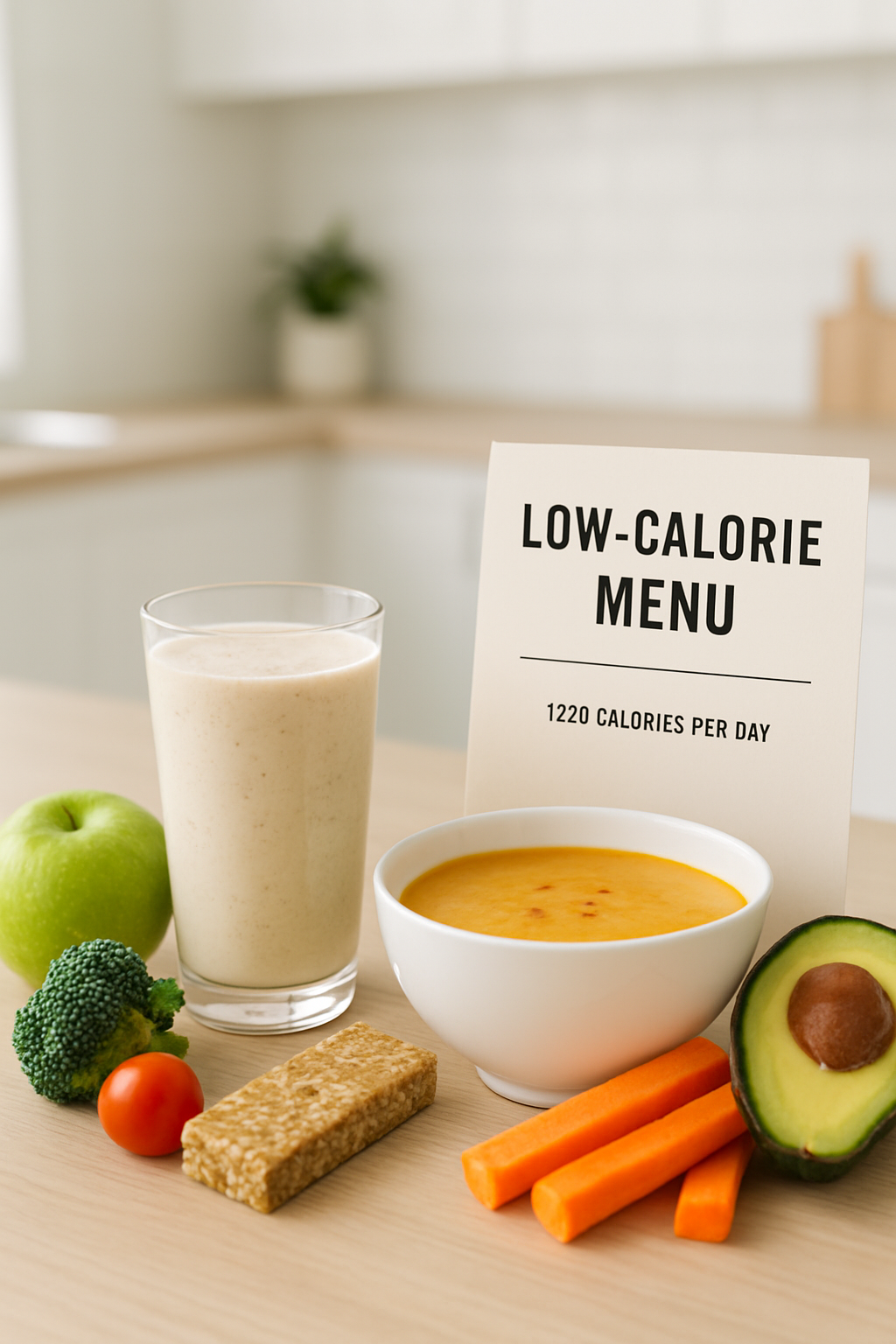
A Very Low-Calorie Diet (VLCD) may restrict intake to as little as 800 calories per day, leading to a loss of 3 to 5 pounds weekly. Low-Calorie Diets (LCDs) are slightly more generous, typically allowing 1,000-1,600 calories daily. For both, precision is non-negotiable. Manually counting calories at this level is prone to error. With SnapEat AI, you can simply snap a picture of your meal, and our AI will recognize the food and provide an accurate calorie and nutrient breakdown. This ensures you stay within your strict daily limit without the guesswork.
Time-Restricted Eating & Intermittent Fasting
These strategies focus on *when* you eat, not just *what* you eat. Time-restricted eating involves limiting your daily food consumption to a specific window, such as the popular 16:8 method (fasting for 16 hours, eating within an 8-hour window). Intermittent fasting might involve fasting for entire days, like the 5:2 plan (eating normally for 5 days, and a VLCD for 2 days). SnapEat AI helps you manage these schedules by tracking your meals within your eating window and ensuring you're consuming nutrient-dense foods to support your body during fasting periods.
A Word on Fad Diets
Many fad diets promise rapid weight loss by severely restricting calories or eliminating entire food groups. While they might deliver initial results, they are often nutritionally unbalanced and unsustainable. The risk of regaining the weight is extremely high once you return to normal eating habits. Instead of chasing quick fixes, SnapEat AI encourages building long-term healthy habits, helping you transition from a rapid loss phase to a sustainable maintenance plan.
The Role of Smart Tracking and Exercise
Achieving rapid weight loss is primarily about calorie reduction, not intense exercise. In fact, your provider might recommend limiting physical activity initially. However, tracking is paramount. By syncing SnapEat AI with your health apps, you get a complete picture of your energy balance. Once you're ready to incorporate exercise, our app helps you align your nutritional intake with your activity level, creating a holistic and sustainable path to health.
Potential Benefits of Rapid Weight Loss
For individuals facing health complications from obesity, rapid weight loss under medical supervision can offer significant benefits. Losing weight quickly can help improve conditions such as:
- Type 2 Diabetes
- High Cholesterol
- High Blood Pressure
This can be a powerful kickstart to a longer-term health journey.
Understanding the Health Risks
It is crucial to understand that losing more than 1-2 pounds a week is not recommended for most people without professional guidance. A rapid pace can lead to the loss of muscle mass, water, and bone density, not just fat. Potential side effects include:
- Gallstones
- Fatigue and Nausea
- Constipation or Diarrhea
- Nutrient deficiencies
Because of these risks, you should always consult a doctor before starting any rapid weight loss plan. SnapEat AI is a tool to help you execute your provider-approved plan safely and effectively, not a substitute for medical advice. These diets are generally not safe for children, teenagers, pregnant women, or older adults.