


A Smart Approach to Rapid Weight Loss with SnapEat AI
A rapid weight loss plan is an approach where you aim to lose more than 2 pounds (approximately 1 kilogram) per week over a period of several weeks. Achieving this requires a significant reduction in calorie consumption. This aggressive strategy, while effective for quick results, demands precision and careful monitoring to be done safely. With SnapEat AI, your all-in-one AI coach, you can navigate this journey with intelligent tracking and personalized guidance, turning a challenging process into a manageable one.
How It Works and Key Considerations
These accelerated diets are often considered by individuals with obesity who seek to lose weight quickly for health-related reasons. However, they are typically recommended with professional oversight. Embarking on a rapid weight loss journey independently can carry risks. These dietary plans are designed for short-term application, usually not extending beyond several weeks. A significant challenge with losing weight quickly is the increased probability of regaining it over time, more so than with gradual weight loss achieved through sustainable lifestyle changes. The body perceives rapid weight loss as a major stressor, triggering a strong hormonal response that slows metabolism and promotes weight regain once the diet is relaxed or stopped. Using a tool like SnapEat AI provides the structure needed to manage this process more effectively.
Popular Rapid Weight Loss Strategies & The SnapEat AI Advantage
Here are several common methods for rapid weight loss and how SnapEat AI can support each one.
Very Low-Calorie Diet (VLCD)
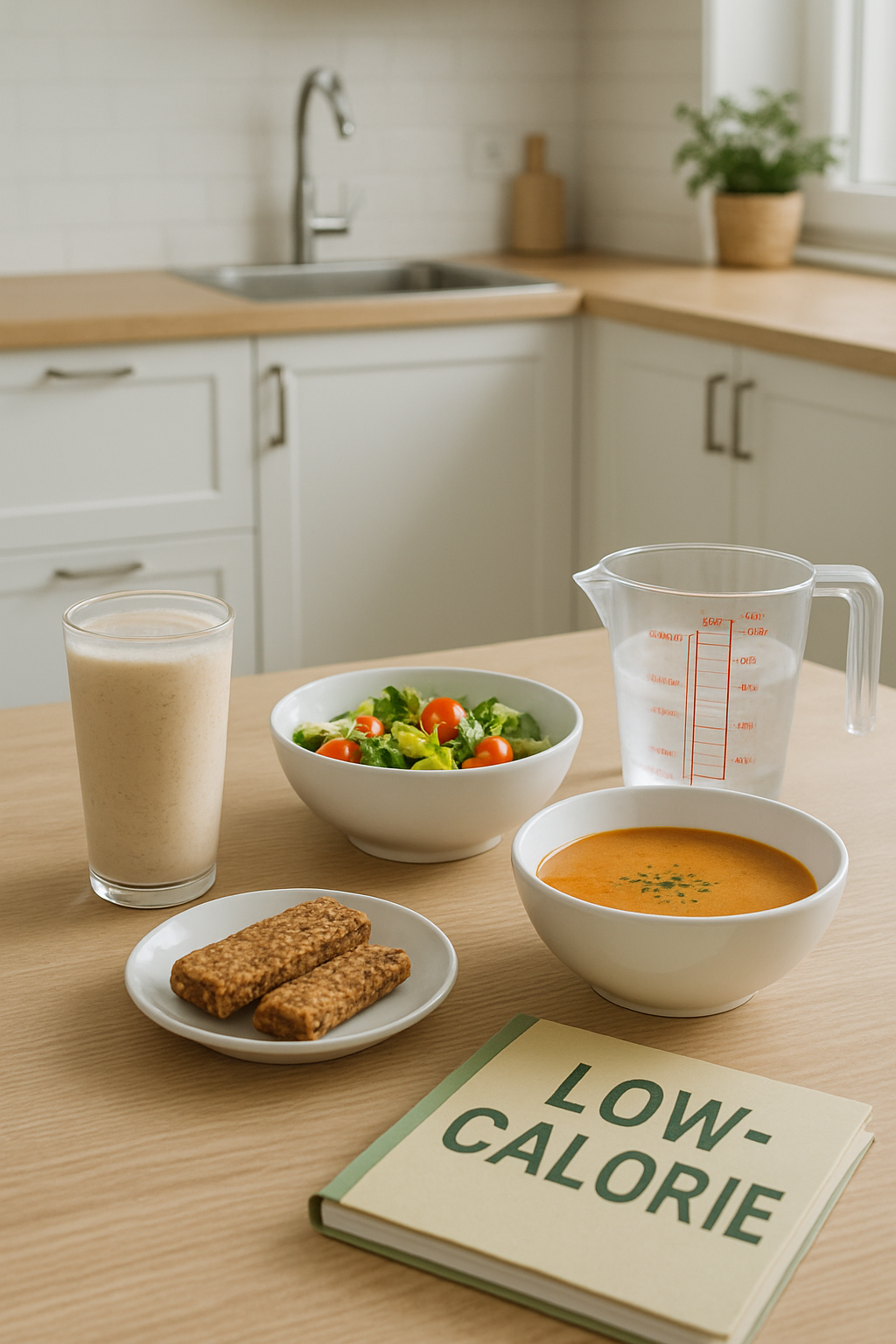
In a VLCD, your daily intake might be as low as 800 calories, leading to a potential weight loss of 3 to 5 pounds (1.5 to 2 kg) per week. VLCDs often utilize meal replacements like shakes, soups, or bars to ensure you receive essential daily nutrients. This approach is typically reserved for adults with obesity under medical supervision, often as a preparatory step for weight-loss surgery. With SnapEat AI: The app's function as a smart calorie counter is invaluable here. Effortlessly recognize food with a snap and track every calorie to ensure you adhere to the strict limit while monitoring your nutritional intake, all under the guidance of your AI coach.
Low-Calorie Diet (LCD)
An LCD typically permits around 1,000 to 1,200 calories daily for women and 1,200 to 1,600 for men. It's often considered a more manageable alternative to a VLCD for fast results. While weight loss might be slightly slower than a VLCD, the total amount of weight lost can be comparable and more sustainable. An LCD may combine meal replacements with regular foods. With SnapEat AI: The app simplifies balancing different food sources. You can easily track both meal replacements and conventional food, making the diet easier to follow. Set your weight loss goals, and let the AI provide personalized insights to keep you on track.
Time-Restricted Eating & Intermittent Fasting
These strategies are gaining significant traction. Time-restricted eating involves limiting your food consumption to a specific window each day, such as the popular 16:8 method (fasting for 16 hours and eating within an 8-hour period). Intermittent fasting can involve different schedules, like the 5:2 system, where you eat normally for five days and follow a VLCD for two days. Both methods have been shown to induce rapid weight loss. With SnapEat AI: Your AI coach helps you manage your eating windows and ensures the meals you consume are nutritionally balanced. Snap pictures of your meals to automatically track macros and calories, ensuring your body is well-nourished even with restricted eating times.
A Note on Fad Diets
Many fad diets promise rapid weight loss by severely restricting calories or food groups. These are often unsustainable and can be nutritionally unbalanced or unsafe. Once you cease the diet, you're highly likely to regain the weight if you revert to previous eating habits. For most individuals, a gradual loss of 0.5 to 1 pound per week is a safer and more sustainable path. SnapEat AI promotes an evidence-based, sustainable approach over risky fads.
The Role of Exercise
Rapid weight loss is primarily driven by calorie reduction rather than exercise. It's crucial to consult your provider about the appropriate type and intensity of exercise while on a very low-calorie plan. They might recommend waiting until you transition to a more sustainable, long-term diet before beginning a rigorous exercise regimen. With SnapEat AI: Sync your health data from other apps to get a holistic view of your progress. The app helps you and your provider monitor your complete energy balance—calories in versus calories out—to make informed decisions about physical activity.
Health Benefits
For individuals with health issues stemming from obesity, achieving significant weight loss quickly can offer substantial improvements in conditions such as:
- Diabetes
- High cholesterol
- High blood pressure
Possible Health Concerns
It's vital to undertake such a diet under professional guidance. Losing more than 1 to 2 pounds a week is not considered safe for most people and can lead to a loss of muscle, water, and bone density. Potential side effects of rapid weight loss include:
- Gallstones
- Gout
- Fatigue
- Constipation
- Diarrhea
- Nausea
Individuals who lose weight quickly are also more prone to regaining it rapidly. In general, rapid weight loss diets are not safe for children, teenagers, pregnant women, or older adults unless specifically recommended and monitored by a healthcare provider. If you have any pre-existing health conditions, consult your provider before starting any weight loss plan. With SnapEat AI: Use the app to diligently track your food intake and any symptoms. This provides you with concrete data to share with your healthcare professional, helping to mitigate risks and ensure your journey is as safe as possible.