


What is Rapid Weight Loss?
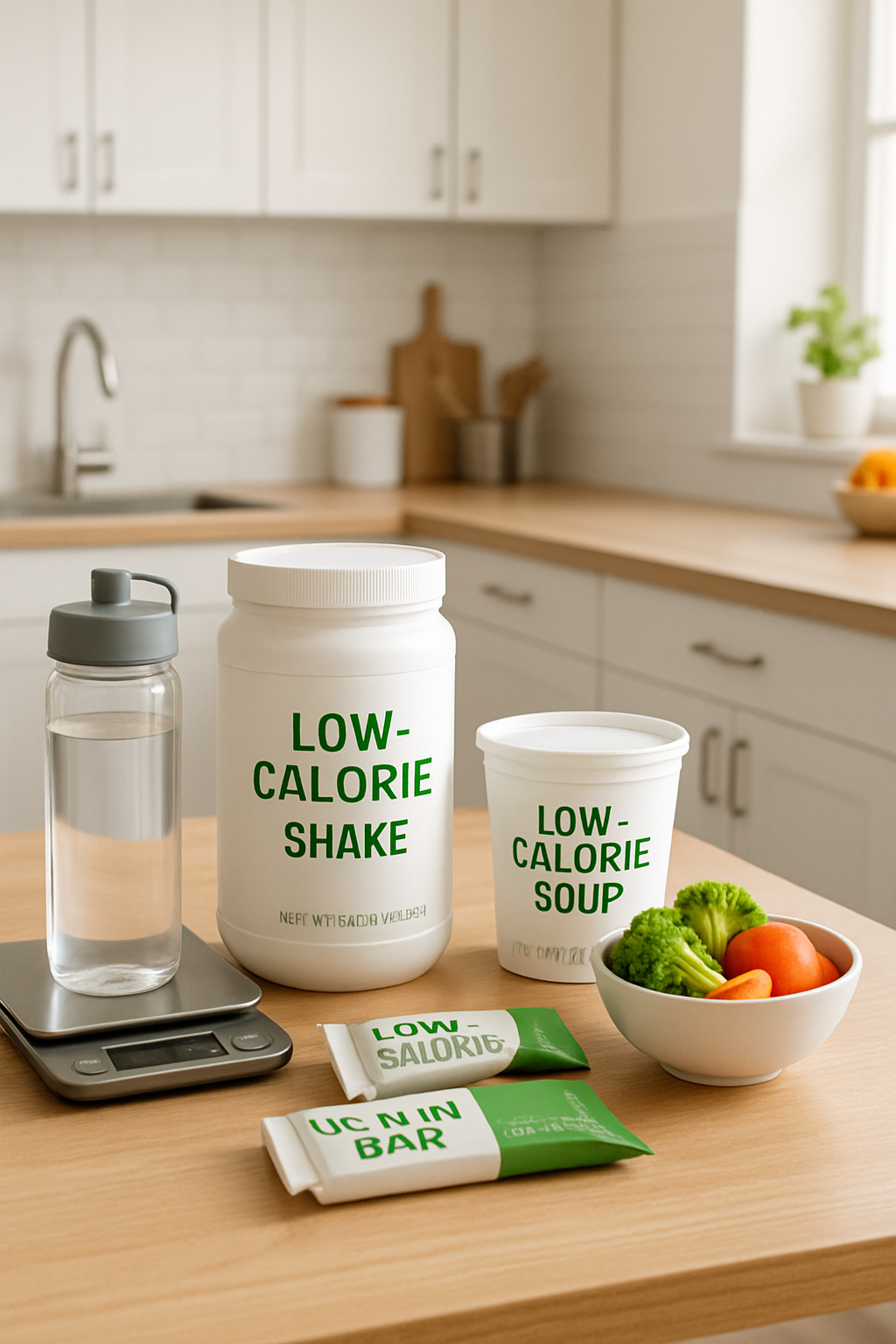
Rapid weight loss is defined as a dietary approach where an individual loses more than 2 pounds (approximately 1 kilogram) per week over a period of several weeks. This accelerated pace is achieved by consuming a very low number of calories, a method that requires careful planning and monitoring.
How Do Fast Weight Loss Diets Work?
These diet plans are primarily adopted by individuals with obesity who aim for quick results. Because they are restrictive, they are less frequently recommended by healthcare providers as a first-line approach and should be undertaken with professional supervision. Rapid weight loss can be a significant stressor on the body, triggering a strong hormonal response that can slow down metabolism and lead to rapid weight regain once the diet is relaxed. This is why a structured approach is critical.
Common Rapid Weight Loss Strategies
These diets are intended for short-term application, typically not lasting more than a few weeks. The main types of rapid weight loss diets are detailed below.
Very Low-Calorie Diets (VLCD)
On a VLCD, daily caloric intake might be as low as 800 calories, potentially leading to a weight loss of 3 to 5 pounds (1.5 to 2 kg) per week. While some VLCDs use meal replacement formulas, managing one with whole foods requires precise tracking. This is where an AI coach like SnapEat AI becomes essential. By snapping a photo of your meal, you receive an instant and accurate calorie count, ensuring you adhere to your strict daily limit while monitoring your nutritional intake. A VLCD is typically reserved for adults with obesity and should be followed for no more than 12 weeks under medical guidance.
Low-Calorie Diets (LCD)
An LCD is a less extreme option, generally allowing 1,000 to 1,200 calories daily for women and 1,200 to 1,600 for men. It is a more suitable choice for most people seeking quick results. While weight loss is slightly slower than a VLCD, the total amount lost can be comparable over time. An LCD often includes a combination of regular foods, making it more sustainable. Using the SnapEat AI calorie counter helps you create and track meals with confidence, ensuring you meet your caloric goals accurately.
Time-Restricted Eating
This increasingly popular strategy involves limiting your food consumption to a specific window each day. A common format is the 16:8 method, where you eat all your meals within an 8-hour period (e.g., 11 am to 7 pm). Studies suggest this can induce rapid weight loss. SnapEat AI can help you monitor your eating windows and ensure you're consuming nutrient-dense foods during your designated times to support your health.
Intermittent Fasting
Fasting is another method of calorie restriction that has gained popularity due to its potential benefits for individuals with diabetes and obesity. The 5:2 approach is a well-known regimen, involving five days of normal eating and two non-consecutive days of fasting or a VLCD. Diets incorporating fasting can lead to rapid weight loss. SnapEat AI is the perfect tool to manage this, helping you track calories accurately on restricted days and maintain a balanced diet on others.
The Role of Smart Tracking with SnapEat AI
Successful rapid weight loss hinges more on calorie reduction than on exercise. However, accurately tracking those calories can be challenging. This is where SnapEat AI streamlines the entire process. Our AI-powered food recognition provides instant calorie and macronutrient data from a simple photo, eliminating guesswork. You can set personalized weight loss goals, log meals effortlessly, and sync your health data to get a comprehensive view of your progress. This data-driven approach fosters accountability and motivation, which are crucial for success.
Potential Benefits of Rapid Weight Loss
For individuals whose health is compromised by obesity, losing a significant amount of weight quickly can offer substantial benefits. These improvements can include better management of:
- Diabetes
- High cholesterol
- High blood pressure
Understanding the Risks and Side Effects
It is critical to follow a rapid weight loss plan with support from a healthcare provider. Losing more than 1 to 2 pounds a week is not considered safe for most people and can lead to the loss of muscle, water, and bone density. Potential side effects also include:
- Gallstones
- Gout
- Fatigue
- Constipation
- Diarrhea
- Nausea
Furthermore, individuals who lose weight quickly are more likely to regain it. To mitigate these risks, it is vital to have a long-term plan. SnapEat AI not only helps you during the rapid loss phase but also supports your transition to sustainable, healthy eating habits. Sharing your detailed food and progress logs from the app with your provider can help them offer tailored guidance. In general, rapid weight loss diets are not safe for children, teenagers, pregnant women, or older adults unless specifically recommended by a doctor.