


A Smarter Approach to Rapid Weight Loss with SnapEat AI
Many individuals seek quick results on their weight loss journey. While rapid weight loss can be motivating, it requires a careful and structured approach to be safe and effective. This is where technology can be a powerful ally. With a smart tool like SnapEat AI, you can navigate the complexities of calorie reduction, track your nutrition accurately, and work towards your goals with confidence and data-backed insights.
What Is Rapid Weight Loss?
Rapid weight loss is defined as losing more than 2 pounds (about 1 kilogram) per week over a period of several weeks. Achieving this requires a significant reduction in daily calorie intake, often through a very low-calorie diet. While appealing, this accelerated pace demands careful management to avoid nutritional deficiencies and other health risks.
Common Rapid Weight Loss Strategies and How SnapEat AI Helps
These methods are typically undertaken by individuals with obesity who need to lose weight quickly for health reasons, often under professional supervision. Rapid weight loss diets are intended for short-term use. People who lose weight this quickly are at a higher risk of regaining it compared to those who adopt gradual changes. The body's hormonal response to drastic weight loss is strong, which can slow down metabolism and encourage weight regain once the diet is relaxed. SnapEat AI can help manage this process more sustainably.
Very Low-Calorie Diets (VLCDs)
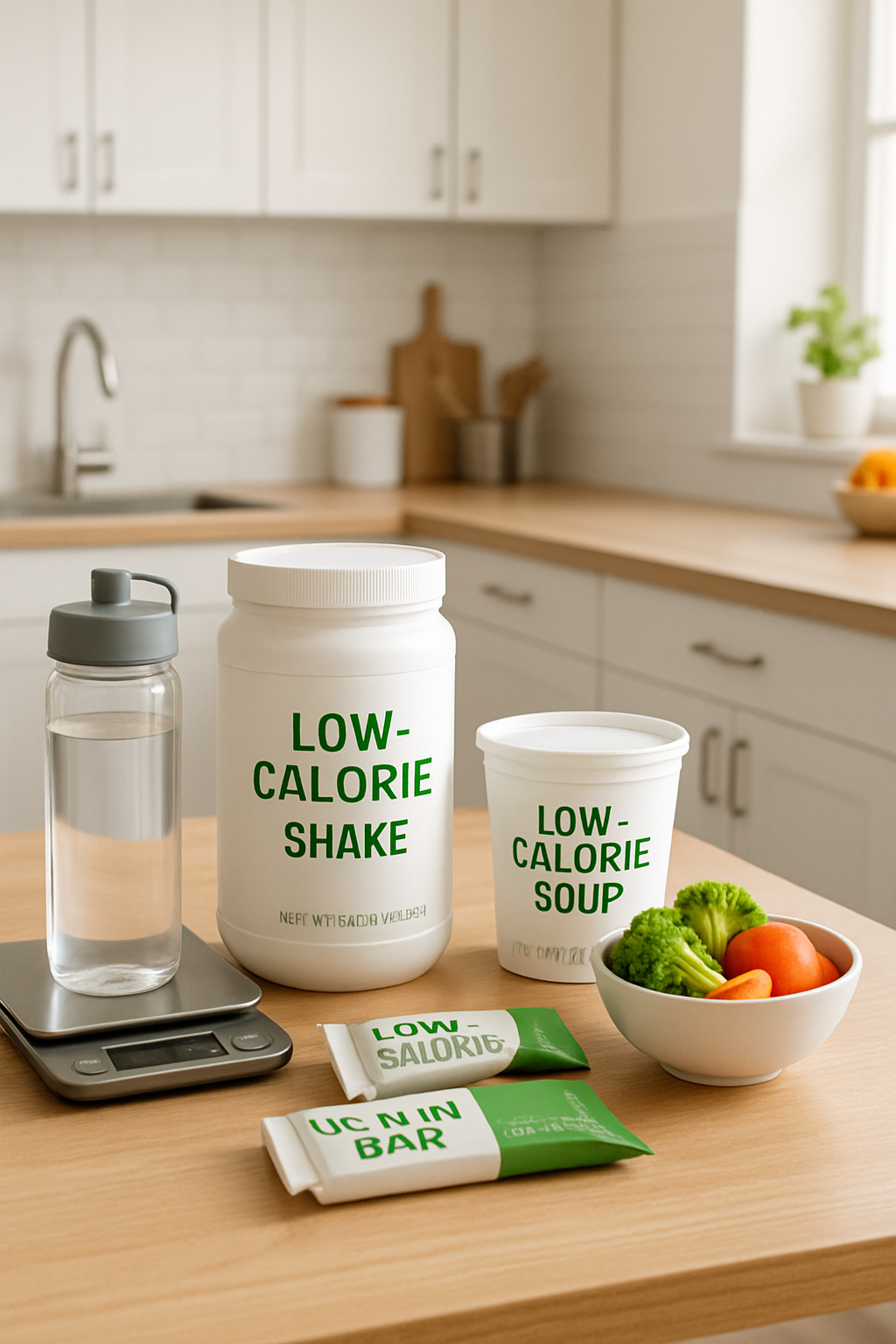
A VLCD typically restricts intake to as few as 800 calories per day, potentially leading to a loss of 3 to 5 pounds per week. These diets often rely on meal replacements like shakes and bars to ensure essential nutrient needs are met. VLCDs are generally recommended only for adults with obesity, often in preparation for weight-loss surgery, and require medical supervision. How SnapEat AI Helps: For those on a VLCD under a doctor's care, precision is key. SnapEat AI's advanced food recognition allows you to log meals instantly with a photo, ensuring you stay within your strict calorie budget while monitoring your nutrient intake.
Low-Calorie Diets (LCDs)
More moderate than VLCDs, LCDs generally permit 1,000 to 1,200 calories for women and 1,200 to 1,600 for men. While the weight loss is slower than a VLCD, an LCD can achieve similar long-term results and is often considered a more manageable choice. These diets may combine meal replacements with regular foods. How SnapEat AI Helps: An LCD offers more food variety, making accurate tracking crucial. Use SnapEat AI as your smart calorie counter to easily track both meal replacements and regular foods. The app helps you make balanced choices to meet your goals without the guesswork.
Time-Restricted Eating and Intermittent Fasting
Time-restricted eating, such as the popular 16:8 method (eating within an 8-hour window), is gaining traction. Similarly, intermittent fasting, like the 5:2 plan (two days of very low calories), uses periods of calorie restriction to drive weight loss. Studies suggest these methods can be effective for rapid weight loss, but long-term sustainability is still being researched. How SnapEat AI Helps: SnapEat AI is the perfect companion for these strategies. It helps you monitor your eating windows and ensures that the meals you consume within them are nutritionally balanced and aligned with your daily calorie targets. This data-driven approach helps maximize the effectiveness of your fasting schedule.
The Pitfalls of Fad Diets
Many fad diets promise rapid weight loss by severely restricting calories or entire food groups. These diets are often nutritionally unbalanced, unsafe, and unsustainable. Once you stop, the weight is often quickly regained as you revert to previous eating habits. For most people, a safer and more sustainable pace is losing 0.5 to 1 pound per week. How SnapEat AI Helps: SnapEat AI promotes building healthy, long-term habits over unsustainable fads. By providing clear insights into your eating patterns, it empowers you to make smarter choices every day, fostering a positive relationship with food that lasts.
Integrating Exercise into Your Plan
For rapid weight loss, calorie reduction is the primary driver. It's important to consult your provider about what type of exercise is appropriate for you while on a reduced-calorie plan. They might recommend waiting until you transition to a more sustainable, long-term diet before beginning a rigorous exercise regimen. How SnapEat AI Helps: When you're ready to incorporate exercise, SnapEat AI can sync with your favorite health apps. This provides a holistic view of your health, balancing your calorie intake with your energy expenditure and helping you fine-tune your nutrition plan for optimal results.
Potential Benefits and Why a Monitored Approach is Key
For individuals with obesity-related health issues, rapid weight loss under medical guidance can lead to significant improvements in conditions like diabetes, high cholesterol, and high blood pressure. However, losing more than 1 to 2 pounds a week without supervision can be risky. Potential side effects include gallstones, gout, fatigue, and loss of muscle mass and bone density. Furthermore, rapid weight regain is a common issue. How SnapEat AI Helps: A monitored approach is non-negotiable. SnapEat AI serves as your personal health log, creating a detailed record of your meals, calories, and nutrient intake. This data is invaluable for discussions with your healthcare provider or dietitian, allowing them to offer personalized, informed guidance and help you mitigate risks. Never start a rapid weight loss diet without consulting a professional, especially if you have pre-existing health conditions, are pregnant, a teen, or an older adult.