


What Defines a Rapid Weight Loss Diet?
A rapid weight loss diet is any eating plan where you aim to lose more than 2 pounds (approximately 1 kilogram) per week over several weeks. This accelerated weight loss is typically achieved by drastically reducing calorie consumption to a very low level.
Common Approaches to Rapid Weight Loss
These strategies are frequently adopted by individuals seeking quick results, but they often come with significant challenges and are best approached with caution. Unlike sustainable methods, these diets are meant for short-term use and ideally under professional guidance, as they may not be safe for everyone to undertake alone.
A primary concern is that individuals who lose weight rapidly are significantly more prone to regaining it over time compared to those who adopt gradual changes. The body perceives rapid weight loss as a major stressor, triggering a powerful hormonal response that slows metabolism and increases appetite, making weight regain more likely once the diet is relaxed or stopped.
Very Low-Calorie Diets (VLCDs)
On a VLCD, daily caloric intake can be as low as 800 calories, potentially leading to a loss of 3 to 5 pounds per week. These diets often rely on meal replacement products like shakes, soups, or bars to ensure essential nutrient intake. VLCDs are generally reserved for adults with obesity who have a medical reason to lose weight quickly, such as before a surgical procedure, and should always be supervised by a healthcare provider. Experts typically advise against following a VLCD for more than 12 weeks.
Low-Calorie Diets (LCDs)
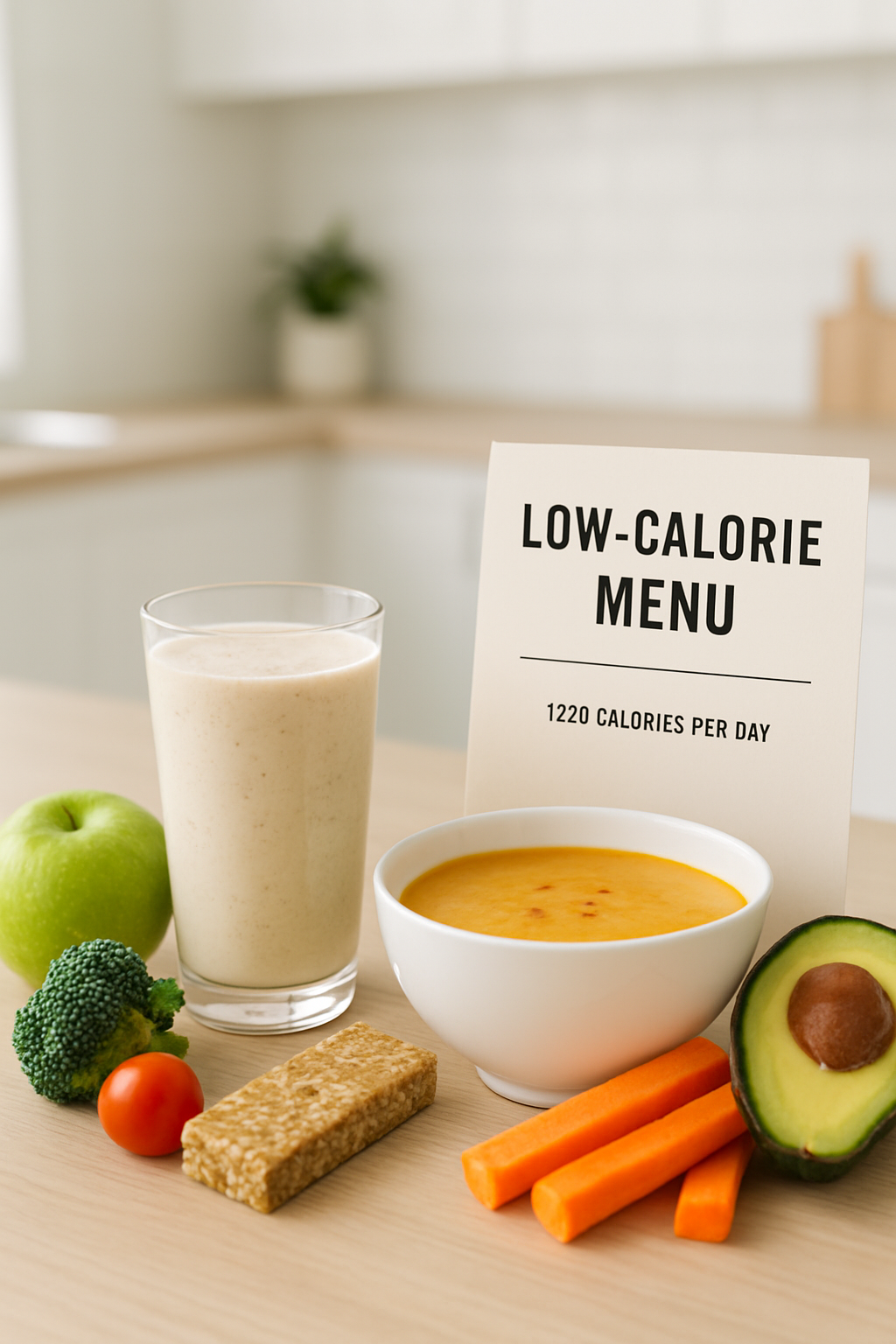
Slightly more generous, LCDs typically permit 1,000 to 1,200 calories daily for women and 1,200 to 1,600 for men. For most people seeking quick results, an LCD is a more manageable choice than a VLCD. While the rate of weight loss is slower, the total amount of weight lost can be comparable over time. An LCD might combine meal replacements with regular food, making it a more flexible option. However, professional supervision is still recommended to ensure safety and nutritional adequacy.
Time-Restricted Eating and Intermittent Fasting
These popular strategies focus on *when* you eat, not just *what* you eat. Time-restricted eating involves limiting your food consumption to a specific window each day, such as the 16:8 method (fasting for 16 hours and eating during an 8-hour period). Intermittent fasting involves alternating between periods of normal eating and fasting, like the 5:2 plan (eating normally for five days and significantly restricting calories for two). While some studies suggest these methods can induce rapid weight loss, their long-term sustainability is still under investigation.
Fad Diets
Many popular fad diets promise rapid weight loss by severely limiting calories or eliminating entire food groups. In many cases, these diets are not only unsafe but also unsustainable. Once the diet ends, returning to previous eating habits almost guarantees that the lost weight will be regained. A safer, more effective approach for most people is to aim for a gradual loss of 0.5 to 2 pounds per week.
A Smarter Way Forward with SnapEat AI
Instead of resorting to extreme and often temporary measures, a smarter approach leverages technology to build lasting habits. SnapEat AI is your all-in-one AI coach designed to make healthy eating simple and sustainable. It helps you recognize food, track progress, and sync your health data seamlessly.
With SnapEat AI, you use it as your intelligent calorie intake calculator and smart calorie counter. You can easily track meals, set realistic weight loss goals, and receive personalized nutrition guidance. This empowers you to understand your habits and make informed choices, moving beyond the restrictive cycle of crash dieting. The goal is not just to lose weight, but to build a healthier relationship with food.
The Integral Role of Exercise
While rapid weight loss often focuses heavily on calorie cutting, sustainable health includes physical activity. Consult with your provider about the right type of exercise for you, especially when starting a new diet plan. SnapEat AI supports a holistic view of health by allowing you to sync data, giving you a complete picture of your energy balance. As you transition to a long-term, balanced eating plan, incorporating regular exercise becomes a crucial component for success.
Health Benefits of Sustainable Weight Management
Achieving a healthy weight through a steady, managed approach offers significant long-term benefits that go far beyond a number on the scale. For individuals managing health issues related to weight, sustainable loss can lead to marked improvements in:
- Blood sugar control and diabetes management
- Cholesterol levels
- Blood pressure
Potential Health Concerns of Rapid Weight Loss
Following an extreme diet without guidance can be risky. Losing more than 1 to 2 pounds a week is not considered safe for most people and can lead to the loss of muscle mass, water, and bone density, not just fat. Rapid weight loss can also trigger unpleasant and serious side effects, including:
- Gallstones
- Gout
- Fatigue and low energy
- Constipation or diarrhea
- Nausea
Furthermore, the high likelihood of rapid regain can create a frustrating cycle of yo-yo dieting, which carries its own health risks. In general, rapid weight loss plans are not safe for children, teenagers, pregnant women, or older adults unless specifically recommended and monitored by a healthcare professional. If you have any pre-existing health conditions, always consult your provider before beginning any new diet plan.