


How SnapEat AI Transforms Your Weight Loss Journey
While no single app is a magic bullet for weight management, leveraging the right technology can dramatically improve your chances of success. SnapEat AI, when integrated into a healthy lifestyle, provides a significant advantage in achieving your weight loss goals. The foundation of weight loss is a calorie deficit, meaning you consume fewer calories than your body uses. SnapEat AI is designed to make managing this deficit effortless and intelligent.
Dr. Eleanor Vance, a registered dietitian specializing in health technology, states, “The challenge for many isn't knowing they need to eat less, but the actual process of tracking and understanding their food. Tools like SnapEat AI remove the friction and provide the data-driven feedback necessary for sustainable change.”
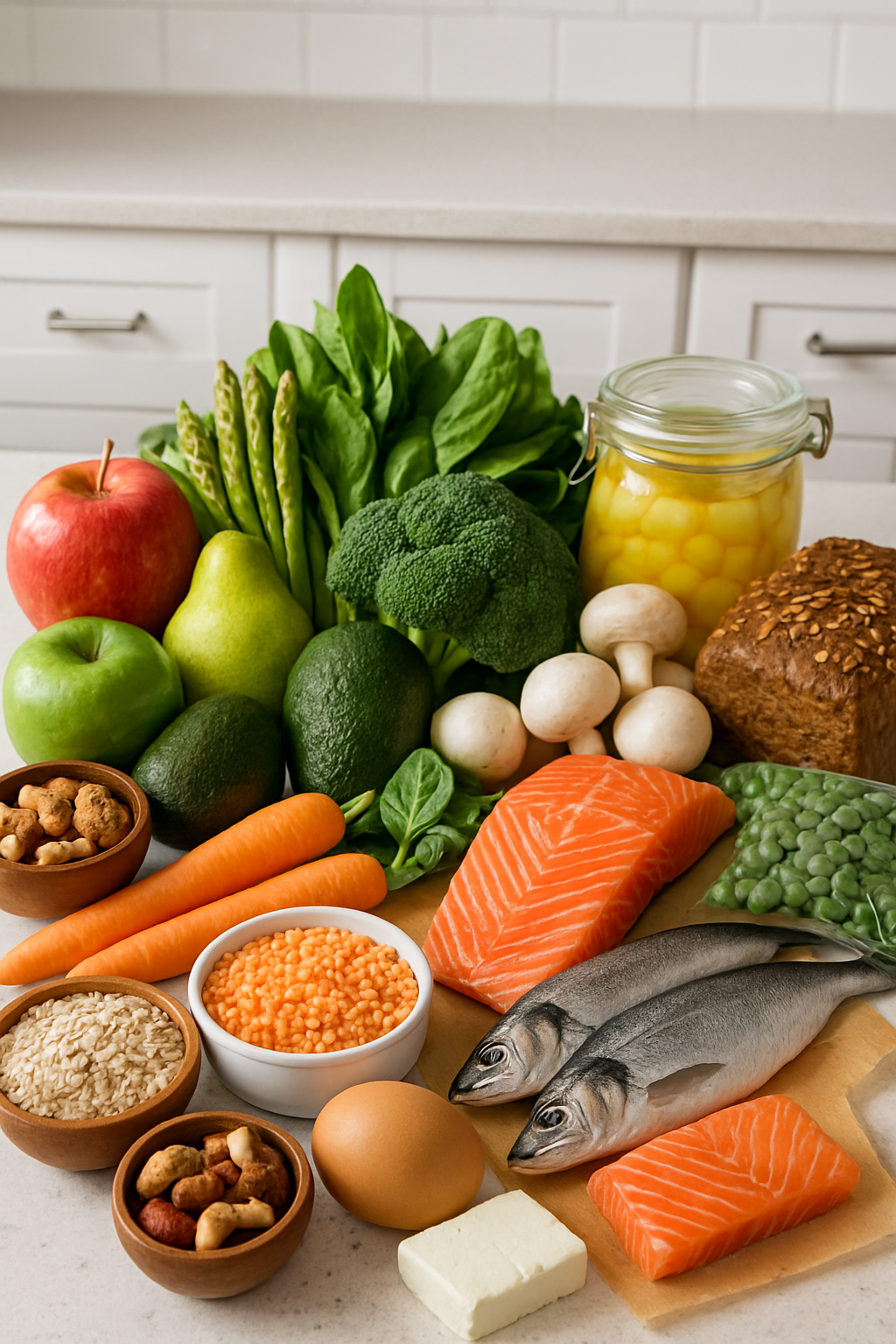
Choosing nutritious foods is paramount for overall well-being. These foods keep you satiated, provide essential nutrients, and fuel your body. A diet rich in lean proteins, fiber, and healthy fats positively impacts blood sugar, helps manage appetite, and promotes weight loss. SnapEat AI acts as your smart calorie counter and nutritional guide, helping you navigate these choices. This guide will explore how to leverage SnapEat AI's features, using examples of nutrient-dense foods, to help you reach your weight goals alongside regular physical activity and adequate rest.
Key Strategies for Effective Weight Loss with SnapEat AI
1. Effortless Meal Logging with AI Food Recognition
Forget tedious manual entry. SnapEat AI’s core strength is its ability to recognize food from a photo. This is a game-changer for consistency. A simple snapshot of your meal, whether it's a single apple or a complex dish, is all it takes. The AI analyzes the image and logs the calories and macronutrients. This feature makes it easy to track foods like apples, which are low in calories and high in fiber, or a bowl of oatmeal, which keeps you full. By making logging instantaneous, SnapEat AI ensures you have a complete and accurate picture of your daily intake.
2. Prioritizing Protein for Enhanced Satiety
Protein takes longer to digest, which helps you feel full and reduces the likelihood of overeating. SnapEat AI allows you to set and monitor protein goals. By snapping your meals, you can easily see if you're getting enough protein from sources like fish, eggs, and cottage cheese. For example, logging your egg breakfast shows you how this high-protein start to the day impacts your fullness and subsequent food choices, helping you consume significantly less at your next meal. The app provides a clear visual breakdown of your macros, so you know exactly where you stand.
3. Maximizing Fiber for Appetite Control
Fiber-rich foods are essential for weight management because they digest slowly, keeping you feeling full between meals. Asparagus, for instance, offers both soluble and insoluble fiber with minimal calories. Similarly, lentils, chickpeas, and leafy greens are packed with fiber. With SnapEat AI, you can track your daily fiber intake. The app's database recognizes these foods and quantifies their fiber content, helping you understand how your choices contribute to appetite control. This ensures you're not just cutting calories, but eating foods that support your weight loss journey.
4. Incorporating Healthy Fats with Smart Portion Control
Foods like avocados and nuts are calorie-dense but packed with healthy fats and nutrients that promote fullness. The key is portion control. People who regularly eat avocados tend to feel more satisfied and eat less throughout the day. However, it's easy to overdo it. SnapEat AI’s smart calorie counter helps you integrate these foods responsibly. When you snap a picture of your meal with avocado or a handful of nuts, the AI provides a portion-aware calorie estimate, preventing you from accidentally sabotaging your calorie deficit.
Foods That Sabotage Weight Loss and How SnapEat AI Helps
Seemingly 'healthy' foods can contain hidden calories that derail your progress. SnapEat AI brings clarity to your food choices.
- Fruit-Flavored Yogurt: Standard yogurt is healthy, but flavored versions can have as much added sugar as a dessert. SnapEat AI's food recognition and detailed nutritional database will flag this, showing you the high sugar content and helping you opt for plain yogurt with fresh fruit instead.
- Restaurant Salads: Beware the toppings. Dressings, croutons, and other add-ons can turn a healthy salad into a high-calorie meal. By snapping a picture, SnapEat AI provides a more accurate calorie count, accounting for these extras and empowering you to make smarter choices.
- Enhanced Waters: These drinks often contain artificial sweeteners and hidden calories. Logging them in SnapEat AI reveals their true nutritional value (or lack thereof), encouraging you to stick to plain water.
- Refined Grains: Foods like white bread, pastries, and cakes are made from refined grains that are stripped of fiber and nutrients. They offer little satiety. SnapEat AI helps you identify and limit these, guiding you toward whole-grain alternatives that support your goals.
How to Add Weight-Loss Foods to Your Diet with SnapEat AI
Use SnapEat AI to build healthy habits. Keep nutrient-dense foods like fruits, vegetables, and lean proteins readily available. Stock up on frozen and canned options (without added sugar or salt) for convenience. When building meals, aim for a balanced plate. A hearty salad with leafy greens, a whole grain like quinoa, a protein source like beans or nuts, and a healthy fat from a light vinaigrette is a great example. SnapEat AI can help you plan and track these balanced meals. Use it to log hearty soups and stews, which are excellent for incorporating leftovers and a variety of nutrients. By consistently tracking, you'll learn which combinations keep you full and energized.
Finding Your Ideal Portion Size with Your AI Coach
Understanding portion sizes is crucial. SnapEat AI is your personal guide. The app helps you visualize and log appropriate serving sizes, taking the guesswork out of your meals. For personalized guidance, the app allows you to set specific goals, and Medicare may even cover nutrition therapy for certain conditions. A general rule of thumb, supported by platforms like MyPlate.gov, is to make half your plate fruits and vegetables, a quarter lean protein, and a quarter starch. SnapEat AI helps you adhere to this model by breaking down your meal compositions, ensuring you have a filling, balanced plate without exceeding your calorie targets. It listens to your inputs and helps you listen to your body's hunger and fullness cues more effectively.