


Tired of Manual Food Logging? The Problem with Traditional Nutrition Tracking
If you've ever tried to consistently use a traditional food logging app, you know the struggle. It’s less of a helpful tool and more of a part-time job. The primary reason people give up isn't a lack of willpower; it's burnout from the process itself, a chaotic experience we call the 'Metallica Sphere' of nutrition tracking.
The Time Sink: Your Biggest Hurdle
Let’s be honest. Nobody wants to spend 15 minutes after every meal deconstructing their plate. Manually searching a database for "chicken breast, boneless, skinless, grilled," then "broccoli, steamed," then "quinoa, cooked," is tedious and unsustainable. If you cooked a complex recipe, forget it. The friction is immense.
The Guesswork Game: Inaccurate Data
How much is "one serving"? Was that a medium or a large apple? Did you use one tablespoon of olive oil or two? Manual tracking is riddled with estimations. These small inaccuracies can add up, undermining the very data you’re trying to collect for your weight loss or muscle gain goals.
The Burnout Factor: Why Most People Quit
The constant mental energy required to log, weigh, and measure can create a negative relationship with food. It can feel restrictive and obsessive. Instead of enjoying a meal, you're already stressed about the data entry. Eventually, you miss one log, then a day, and soon the app sits forgotten on your phone.
How an AI Nutrition Tracker Offers a Simple Solution
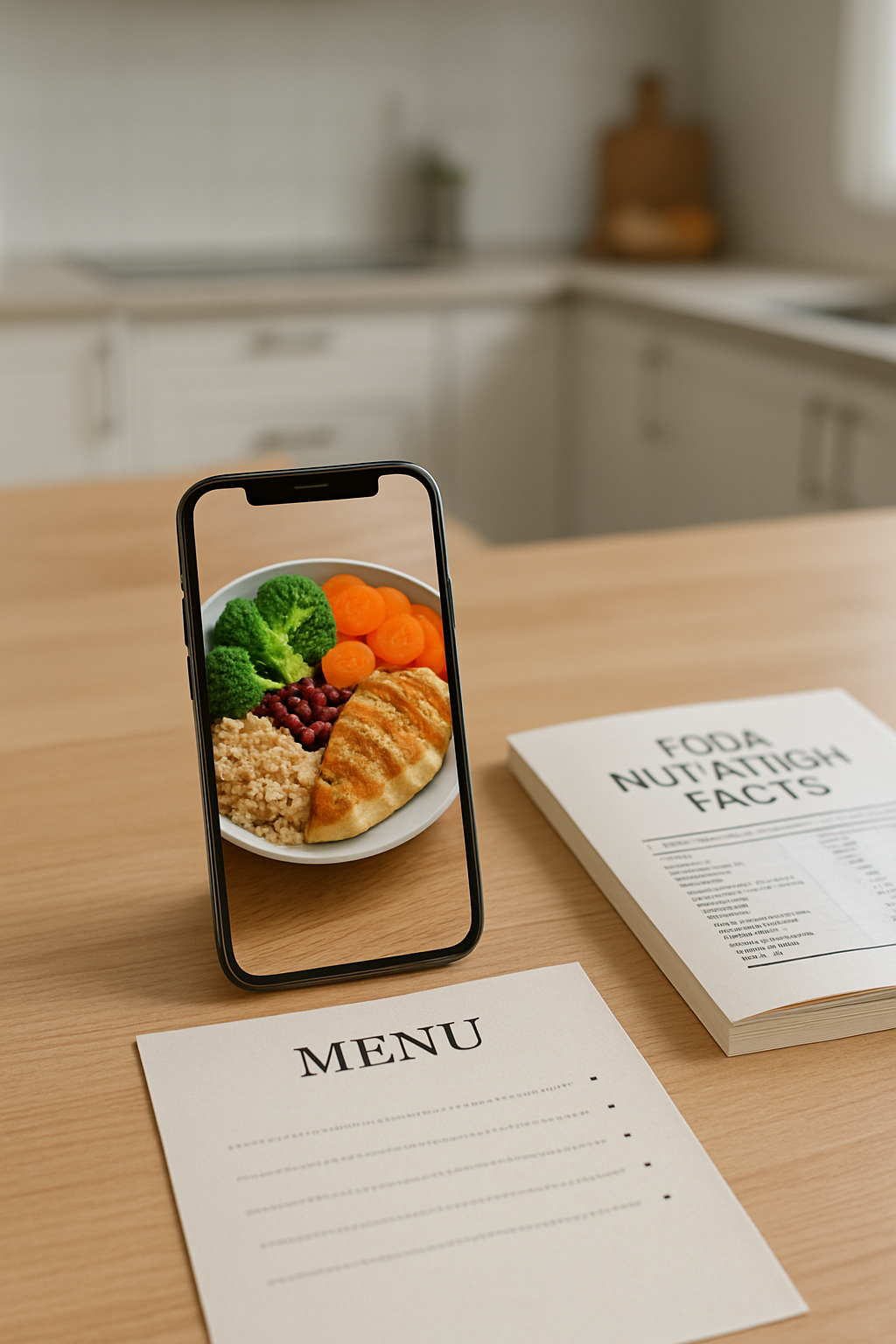
Imagine this alternative: You finish your meal, take out your phone, snap a photo, and you’re done. That’s it. This is the promise and reality of an AI nutrition tracker. SnapEat AI and similar platforms use advanced image recognition and a massive nutritional database to do the heavy lifting for you. When you take a picture of your plate, the AI identifies each food item, estimates the portion size, and provides a comprehensive breakdown of calories, macros (protein, carbs, fats), and micronutrients. It turns a 15-minute task into a 15-second one.
The core benefits of this next-generation food logging app are game-changers:
- Unmatched Simplicity: It removes nearly all the friction from the process. Taking a photo is an intuitive, modern action that requires minimal effort.
- Incredible Speed: What used to be the biggest barrier—time—is now a non-issue. This makes consistency achievable for everyone, from busy professionals to parents.
- A Powerful Visual Diary: A photo food diary app provides a compelling visual record of your eating habits. Instead of just numbers, you see your actual meals, leading to more profound insights about your choices.
Achieve Your Health Goals Faster: From Weight Loss to Wellness
Making tracking easy is great, but how does an AI nutrition tracker actually help you achieve your goals? By removing the logistical nightmare, it allows you to focus on what truly matters: results.
For Sustainable Weight Loss
Successful weight loss is built on a consistent, manageable calorie deficit. When tracking is effortless with a tool like SnapEat AI, you’re more likely to do it every day. This provides the clear, reliable data you need to ensure you’re on track without the stress and obsession that often derails progress.
For Effortless Muscle Gain
Hitting your protein and calorie surplus targets is crucial for building muscle. With complex meals involving multiple protein sources and carbs, manual logging is a headache. A quick photo makes sure you're properly fueling your workouts and recovery without missing a beat.
For Overall Health & Wellness
Maybe your goal isn't about weight, but about improving your health. An AI tracker gives you an objective look at your diet. Are you eating a variety of vegetables? Is your diet too high in processed foods? The AI-generated nutritional data provides clear, unbiased answers, empowering you to make healthier choices and understand your dietary patterns.
Frequently Asked Questions About AI Food Tracking
As nutritionists, we're excited about these tools. But an app is just a tool; using it intelligently is key. Here are answers to common questions to help you get the most from your AI food diary.
Is AI food tracking accurate?
Yes, it is highly accurate and constantly improving. While no AI is infallible, tools like SnapEat AI get you 95% of the way there with only 5% of the effort of manual logging. We recommend a quick 'Trust but Verify' approach: in the first few days, review the AI’s analysis. Does the portion size look right? A quick check ensures your data is as reliable as possible.
What is the best way to use the data?
Focus on trends, not daily perfection. Don't get hung up on being 100% accurate down to the last calorie. The true power of a food logging app lies in observing weekly and monthly trends. Notice patterns in your energy levels, hunger, and cravings, and see how they correlate with your food choices.
How can I get more than just calorie counts?
Go beyond the 'what' and ask 'why'. The app tells you *what* you ate. Your job is to use that information to understand *why*. Did you reach for snacks because you were bored or stressed? Did you eat out because you didn't plan your meals? Use your visual food diary to build self-awareness around your habits and emotions.
Step Out of the Chaos and Into Clarity
The days of battling the chaotic 'Metallica Sphere' of manual nutrition tracking are over. You no longer have to choose between living your life and understanding your diet. Technology has finally caught up to our needs, offering a path that is simple, insightful, and sustainable.
By embracing an AI nutrition tracker like SnapEat AI, you are not just logging food; you are reclaiming your time, your mental energy, and your power. You are stepping out of the noise and into a place of clarity, where you can make informed decisions that truly fuel your health journey.
Ready to trade tracking chaos for calm? Try SnapEat AI today and discover how easy and empowering your health journey can finally be.