


The Arena: What is Snap-and-Eat AI Technology?
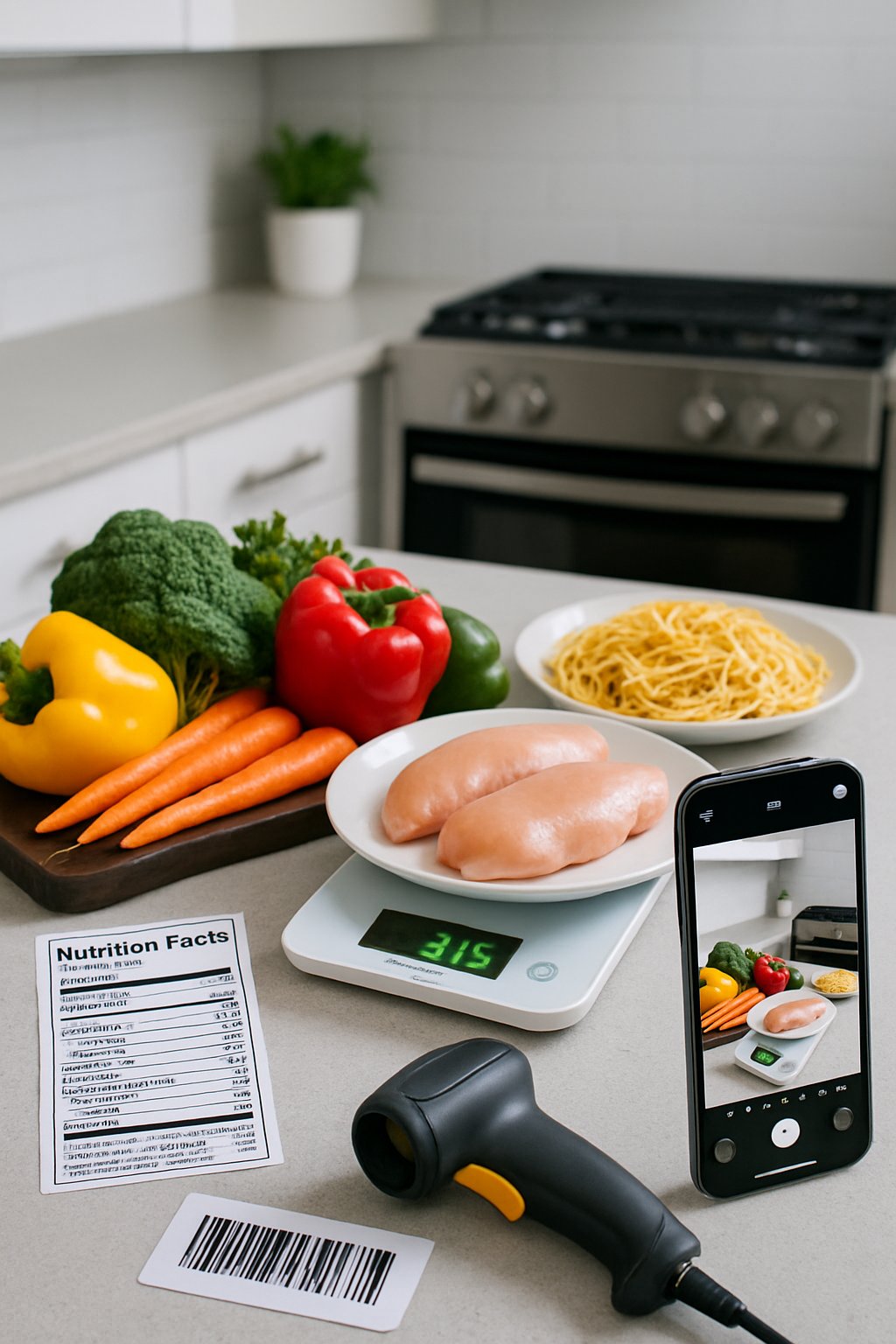
At its core, a 'snap-and-eat' AI nutrition tracker uses sophisticated image recognition to identify food from a single photo. You snap a picture of your meal, and the app's artificial intelligence analyzes the image, identifies food items, estimates portion sizes, and automatically logs the corresponding nutritional information—calories, protein, carbs, and fats. This technology transforms the dreaded task of manual entry into a seamless, almost magical experience, representing the biggest leap forward for the calorie counter app since the barcode scanner.
Meet the Contenders: Two Winning Philosophies
In the world of AI food logging, two distinct approaches have emerged. Understanding their core strategies is key to choosing your champion.
Team Pelican: The Precision Scanners
Imagine a pelican gliding over water, effortlessly scooping up its meal with precision and speed. This is the philosophy of a 'Pelican' app. These AI nutrition trackers are built for one primary purpose: to make logging food as fast and simple as possible.
- Core Philosophy: Speed is everything. The user experience is designed for a point, shoot, and confirm workflow. They excel at identifying simple meals and providing a quick caloric and macro estimate.
- Best For: The busy professional, beginners overwhelmed by data, or anyone wanting general dietary awareness without getting lost in details. They are the epitome of a simple food tracking app.
Team Timberwolves: The Comprehensive Analysts
Now, picture a pack of timberwolves: strategic, coordinated, and aware of every detail. 'Timberwolf' apps embody this deep, analytical approach. They use photo scanning as a powerful starting point for a robust ecosystem of detailed nutrition data and health metrics.
- Core Philosophy: Data is power. These apps provide an exhaustive breakdown of macronutrients and micronutrients (vitamins, minerals). They often feature massive food databases to fine-tune the AI's suggestions.
- Best For: Athletes, individuals on specific diets (like keto) needing precise macronutrient tracking, and data-driven users who want a complete picture of their health.
The Showdown: AI Nutrition Tracker Head-to-Head
To help you choose, we've pitted these two app types against each other in a four-round comparison.
| Round | Team Pelican (Speed & Simplicity) | Team Timberwolves (Data & Detail) | Winner |
|---|---|---|---|
| 1. Speed & Convenience | Logs meals in under 30 seconds with a minimal, intuitive interface. | Initial scan is fast, but encourages extra steps for fine-tuning. | Pelican |
| 2. Accuracy & Detail | Provides a solid 'ballpark' estimate of calories and macros. | Allows manual adjustments, barcode scanning, and gram-level precision for superior accuracy and micronutrient data. | Timberwolves |
| 3. Features & Ecosystem | Focused primarily on the core task of photo-based food logging. | Offers a complete health hub with recipe builders, progress charts, and integration with fitness apps/devices. | Timberwolves |
| 4. Learning Curve | Download and master in minutes. The process is self-explanatory. | A steeper curve due to a vast feature set and data-rich interface. | Pelican |
The Coach's Playbook: Which Team Should You Join?
The best food tracking app isn't the one with the most features; it's the one you'll use consistently. Here’s how to choose your champion based on your lifestyle and goals.
You should draft a 'Pelican' if:
- You are new to nutrition tracking and want to build the habit without feeling overwhelmed.
- Your primary goal is general calorie awareness and portion control.
- You find traditional meal logging apps too time-consuming and often give up.
- You value speed and convenience above all else for your daily meal logging.
You should join the 'Timberwolves' pack if:
- You are an athlete or have specific performance-based nutritional goals.
- You follow a diet (e.g., keto, low-FODMAP) that requires strict macronutrient or micronutrient monitoring.
- You love data and want to see how diet, exercise, and other health metrics connect.
- You are willing to invest a little more time for maximum accuracy and insight from your health tech.
Frequently Asked Questions (FAQ) about AI Nutrition Trackers
Is AI nutrition tracking accurate?
Accuracy varies. While AI is excellent at identifying foods, estimating portion sizes from a 2D photo is challenging. 'Pelican' apps provide a good ballpark figure, sufficient for general tracking. 'Timberwolf' apps achieve higher accuracy by allowing users to cross-reference with food databases, scan barcodes, and manually adjust weights, making them the most accurate choice for those needing precision.
Can an app really track food with a photo?
Yes. Using advanced image recognition for food, these apps analyze pixels and patterns to identify multiple food items on your plate. The technology is constantly improving, making it one of the most convenient ways to maintain a food diary.
What is the best AI calorie counter app?
The 'best' app depends on your needs. If you prioritize speed and ease of use, a 'Pelican' style app is best. If you require deep nutritional data, integrations, and high accuracy for specific goals, a 'Timberwolf' style app is the superior choice. This article helps you decide which philosophy fits your personal health journey.
Conclusion: There's No Losing Team, Only the Right Fit
In the SnapEat AI showdown, there's no single champion. The 'Pelicans' and 'Timberwolves' play different games for different users. The revolutionary ability to track food with a photo AI is the common thread, but the application is tailored to distinct needs. The 'Pelican' Precision Scanners have mastered effortless logging, making nutrition tracking accessible to everyone. The 'Timberwolf' Comprehensive Analysts have built powerful systems for those who demand the deepest possible insight.
Before you download your next calorie counter app, ask yourself: Am I playing for speed or for stats? Your answer will tell you which team to join. Ready to start? Explore which app type fits your lifestyle and take the first step towards smarter, simpler nutrition tracking today.