


The Old Boss Fight: Why Manual Meal Tracking Fails
For years, the go-to method for tracking nutrition has been the food diary. While the intention is good, the execution is a boss fight most people lose. It’s a system plagued with problems that sabotage even the best intentions.
The Endless Time Sink
Life is busy. Pausing after every meal to search for ingredients, estimate quantities, and log them into a database is a tedious commitment. This process can take 10-15 minutes a day—time that quickly feels like a burden, not a benefit.
The Inaccurate Estimation Game
Was that one cup of pasta or one and a half? Did the restaurant use one tablespoon of oil or three? Manual calorie counting is filled with guesswork. These small inaccuracies add up, leading to misleading data that can stall your weight loss or fitness progress entirely.
The Inevitable Motivation Drain
When a task is tedious and the results are unreliable, it's only a matter of time before you quit. The initial burst of motivation fizzles out, and the food diary app gets buried on your phone's last screen, abandoned like so many New Year's resolutions.
What is an AI Meal Tracker & How Does It Work?
Imagine a nutrition tracking app that does all the heavy lifting for you. That's the power of an AI meal tracker. It's not just another food database; it's an intelligent system designed to make tracking effortless, accurate, and instantaneous using advanced food recognition technology.
The process is brilliantly simple:
- Snap: Open the app and take a photo of your meal.
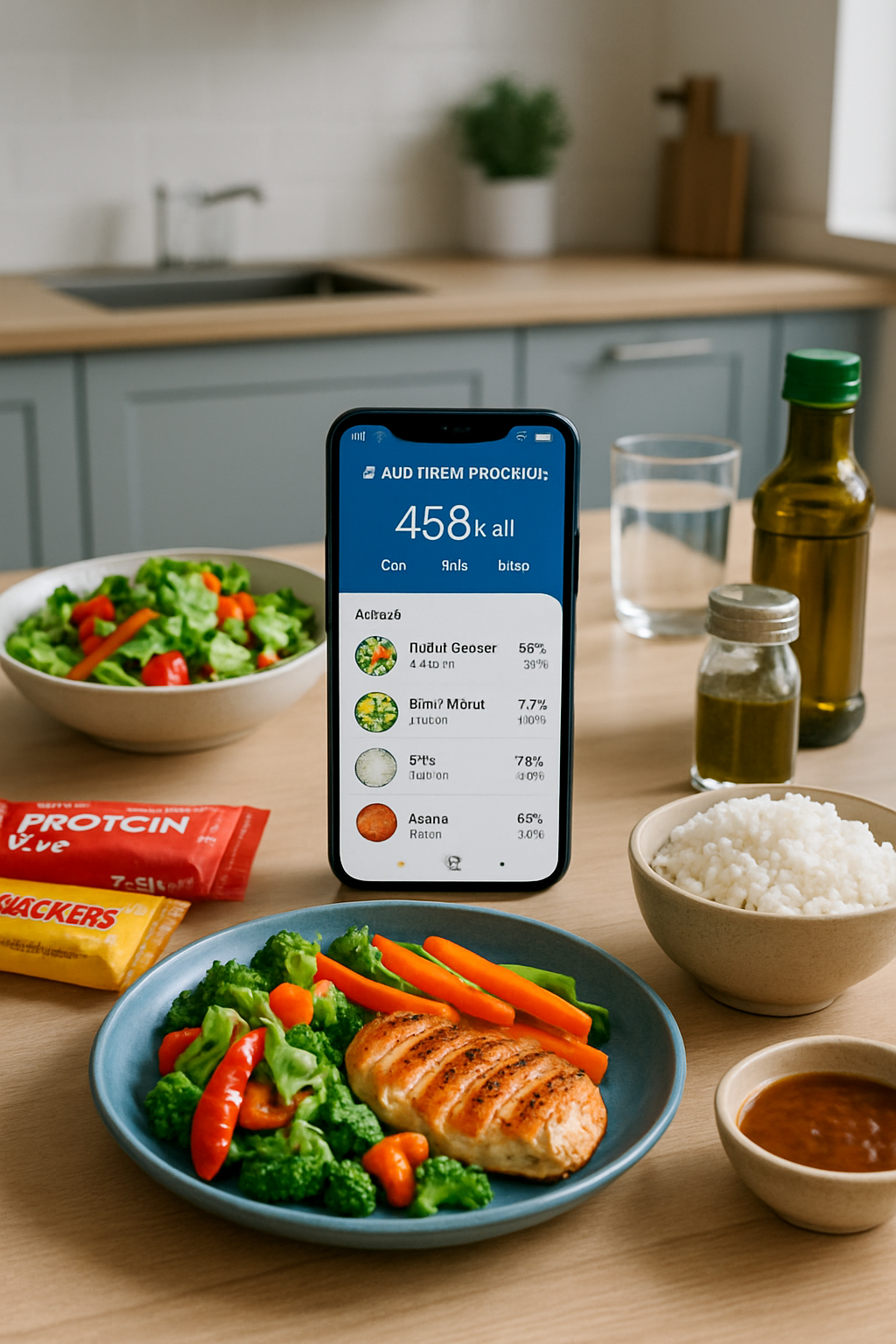
- Analyze: The app's advanced AI identifies every item on your plate—from the chicken breast and broccoli to the sauce drizzled on top.
- Track: Within seconds, it estimates portion sizes and populates detailed nutritional data, including calories, macros (protein, carbs, fat), and key micronutrients. Your meal is logged automatically.
With a tool like this, you can track food by photo in less time than it takes to post that same picture to Instagram. It transforms nutrition tracking from a chore into a seamless part of your life.
3 Key Benefits of Tracking Your Food with AI
Shifting from manual logging to an AI-powered system provides a competitive edge in your health journey, offering advantages that directly address the pitfalls of traditional methods.
1. Unbeatable Speed and Convenience
The most significant benefit is the time you save. By automating the logging process, an AI meal tracker gives you back precious minutes every day. This convenience makes it drastically easier to build a consistent tracking habit that lasts.
2. Data-Driven Accuracy
AI minimizes the guesswork. It can identify hidden ingredients like oils, sugars, and sauces that are often forgotten in manual logs. This leads to a far more accurate picture of your calorie and macro intake, helping you understand why progress may have stalled and what to change.
3. Effortless Consistency for Long-Term Success
The easier a habit is to perform, the more likely you are to stick with it. Because AI tracking is fast and simple, it removes the friction that causes people to give up. Consistent data collection is the key to understanding your eating patterns and making sustainable changes.
Your Action Plan: How to Use an AI Meal Tracker to Level Up
Ready to put this technology into practice? Here’s your step-by-step game plan for using an AI meal tracker to achieve your health and fitness goals.
- Step 1: Define Your Mission (Set Clear Goals). Before you start, know what you're aiming for. Is it weight loss, muscle gain, or better energy? Input your goal into the app to get customized daily targets for calories and macros.
- Step 2: Track Consistently (Gather Accurate Data). For the first two weeks, commit to snapping everything you eat and drink. The goal isn't to be perfect but to gather a complete dataset. The more you track, the smarter your strategy becomes.
- Step 3: Analyze the Reports (Find Your Patterns). At the end of each week, review the app's summaries. Did you hit your protein targets? Where did hidden sugars come from? This is how you turn raw data into powerful insights.
- Step 4: Adapt and Adjust (Make Smart Changes). Use your insights to make small, intelligent tweaks. If you notice your mid-afternoon snack is a sugar bomb, use the app to find a high-protein alternative. This is how to automatically track calories to inform better choices, not just record them.
Frequently Asked Questions (FAQ)
How accurate is AI food recognition?
Modern AI models are highly accurate, capable of identifying a vast range of foods and ingredients from a single photo. While no system is 100% perfect, the accuracy is far superior to human estimation, and most apps allow for quick manual corrections to fine-tune the results.
Can an app really track food from just a photo?
Yes. By leveraging computer vision and massive datasets of food images, these apps analyze pixels, shapes, and colors to identify items on your plate. They then cross-reference this with a nutritional database to calculate calories and macros, a core feature of any modern calorie counter app.
Is tracking food by photo better than manual entry?
For most people, yes. It is significantly faster, requires less mental effort, and reduces the human error involved in estimating portion sizes and ingredients. This makes it a more sustainable method for long-term nutrition management.
Conclusion: Stop Guessing, Start Winning Your Health Game
For too long, managing nutrition has been a frustrating game of guesswork. You were playing on hard mode without a map. An AI meal tracker is the ultimate power-up, putting an expert nutritionist, a data scientist, and a diligent assistant right in your pocket.
It removes the friction, provides unparalleled insight, and empowers you to take decisive control of your health. Stop letting tedious manual logging sabotage your goals. It's time to embrace the future of nutrition and start playing the game to win. Your next level is waiting. Game on.