


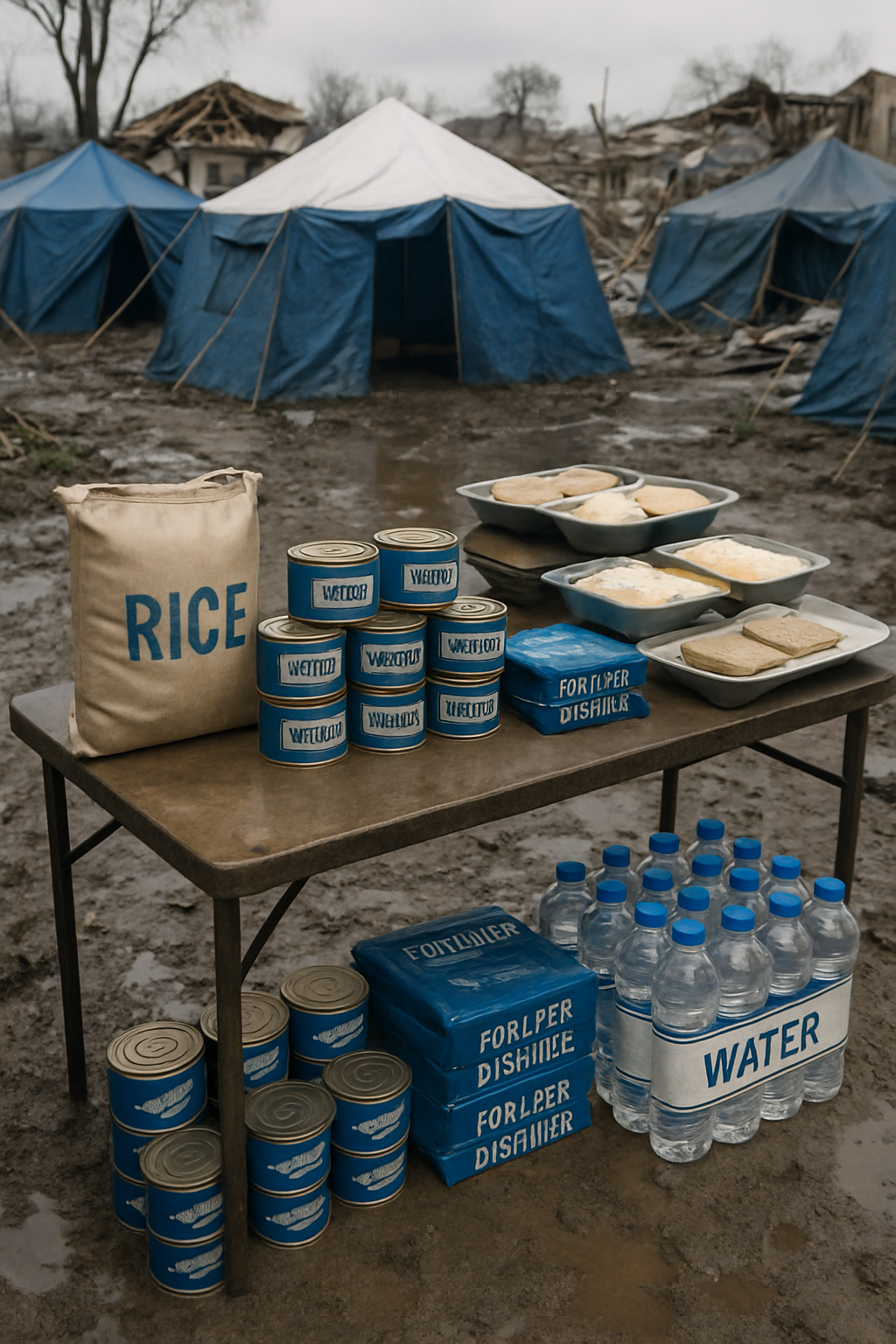
The Silent Crisis: Nutritional Challenges in Disaster Zones
When a crisis like #bencanaaceh strikes, the immediate focus is on survival. But once the dust settles, a less visible but equally dangerous threat emerges: malnutrition. The normal food supply chain is shattered, leaving survivors and aid workers grappling with critical nutritional challenges.
- Nutrient Imbalance: Emergency rations are often rich in carbohydrates for energy but may lack vital proteins, vitamins, and minerals essential for recovery.
- Lack of Information: Relief food packages rarely come with nutritional labels. It's nearly impossible for survivors to know if they are consuming a balanced diet.
- Increased Bodily Demands: Stress, injury, and illness dramatically increase the body's need for specific nutrients, making proper nutrition more critical than ever.
- High-Risk Vulnerable Groups: Children, the elderly, and pregnant women have unique dietary needs that are exceptionally hard to meet, placing them at severe risk of malnutrition and related health complications.
What is SnapEat AI? A Revolution in Humanitarian Technology
SnapEat AI is a groundbreaking application that uses artificial intelligence to simplify nutritional analysis. Its power lies in its simplicity—a critical design choice for high-stress environments where complex tools are impractical. It acts as a pocket nutritionist for anyone with a smartphone.
How SnapEat AI Works: From Photo to Actionable Insight
The process is designed to be intuitive, requiring no prior nutritional knowledge or manual data entry.
- Snap a Photo: A user takes a simple picture of their meal, whether it's a plate of food or the contents of a relief package.
- AI-Powered Analysis: Using advanced image recognition, the AI identifies each food item and accurately estimates portion sizes.
- Receive Instant Feedback: Within seconds, the app delivers a clear, easy-to-understand breakdown of the meal's nutritional value, including calories, protein, carbs, fats, and key micronutrients.
Empowering Healthier Choices on the Ground: SnapEat AI in Action
In a field setting like the aftermath of the #bencanaaceh disaster, SnapEat AI becomes an indispensable tool for maintaining nutrition during natural disasters.
1. Making Sense of Relief Rations
By snapping a photo of a meal made from rice, canned fish, and fortified biscuits, a user can instantly see its nutritional profile. The app might reveal the meal is low in Vitamin C, empowering them to seek out fruits if they become available, thus making an informed choice to improve their health.
2. Identifying and Preventing Critical Nutritional Gaps
Over several days, the app can track dietary patterns and alert a user or aid worker to recurring deficiencies, such as a lack of iron or protein in a child's diet. This enables proactive intervention with supplements or targeted food aid before serious conditions like anemia take hold, a cornerstone of effective public health management.
3. Guiding Decisions with Limited Food Resources
When faced with a few food options, SnapEat AI helps users make the most of what's available. By quickly comparing the nutritional outcomes of combining lentils with rice versus canned meat with bread, individuals can maximize the health benefits of every meal.
The Power of Data: A Paradigm Shift for Aid Organizations
Beyond individual empowerment, SnapEat AI provides a strategic advantage for relief organizations. When user data is anonymized and aggregated, it creates a real-time nutritional map of the affected population. This is a game-changer for humanitarian technology.
Instead of relying on slow, sample-based surveys, aid agencies can get instant, data-driven answers to crucial questions:
- Is there a widespread Vitamin A deficiency in a specific refugee camp?
- Are protein levels dangerously low across the entire disaster zone?
- Are our current food aid packages effectively meeting the population's real-time needs?
This capability enables smarter, faster decisions. Organizations can adjust the contents of aid shipments to fill identified gaps, preventing widespread malnutrition and showcasing a powerful use case for AI for good.
Frequently Asked Questions (FAQ)
How does AI help in a food crisis?
AI, like that in SnapEat AI, helps by rapidly analyzing the nutritional content of available food. It identifies nutrient gaps in diets, helps individuals make healthier choices with limited resources, and provides aid organizations with real-time data to optimize food distribution and prevent widespread malnutrition.
Is SnapEat AI difficult to use for people without technical skills?
No, it is designed for extreme simplicity. The core function only requires the user to take a photo of their food. The app handles all the complex analysis, making it accessible to everyone, regardless of technical literacy, which is vital in a crisis setting.
How is user data and privacy handled?
For organizational analysis, all data is fully anonymized and aggregated. Individual identities are removed to create a high-level nutritional map. This protects personal privacy while still providing the life-saving data needed by public health and aid agencies to make informed decisions.
Conclusion: A Beacon of Hope for Health in Crisis
The challenges in the wake of events like #bencanaaceh are immense. While technology cannot erase the tragedy, it can offer powerful tools to protect and rebuild community health. SnapEat AI proves that innovative and user-friendly technology for humanitarian aid can make a profound difference.
By putting nutritional knowledge directly into the hands of survivors and aid workers, it helps prevent the silent crisis of malnutrition from compounding the initial disaster. It is a beacon of hope, demonstrating that even in the darkest hours, a simple photo can be the first step toward a healthier, more resilient future.