


Why Traditional Food Tracking Fails with Global Cuisine
Food is a cultural passport. The comforting aroma of a Dominican sancocho or the vibrant colors of Korean bibimbap connect us to traditions and places. But for the health-conscious foodie, this delicious diversity presents a challenge: How do you track your nutrition when your plate doesn't have a simple label? Manually entering a homemade dish into a conventional food tracking app is a frustrating puzzle. This is the global food lover's dilemma. But now, AI technology is bridging the gap between authentic flavor and nutritional facts.
The Challenge of Dominican Food's Hearty Flavors
Dominican cuisine blends Spanish, Taíno, and African influences into deep, comforting dishes. Staples like plantains, yuca, rice, and slow-cooked meats are rich in flavor and carbohydrates, providing ample energy. However, this complexity makes tracking difficult.
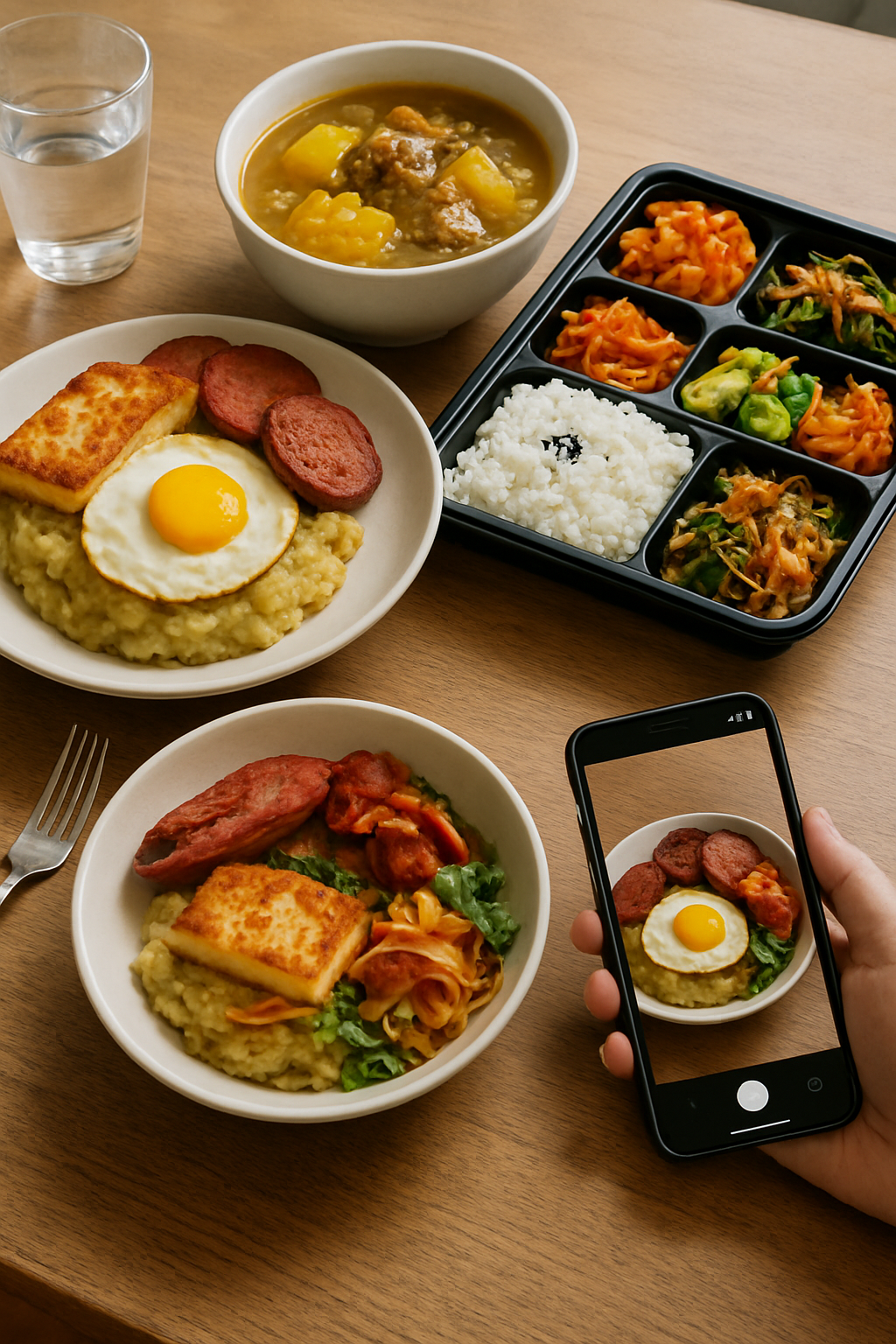
- The Tracking Problem: How do you log a plate of Mangú con Los Tres Golpes (mashed plantains with fried cheese, salami, and eggs)? A standard calorie counter has no entry for a multi-layered stew like Sancocho. This is a common dead-end for anyone searching for how to track Dominican food calories.
The Complexity of Balanced Korean Meals
Korean food, or Hansik, emphasizes harmony, featuring rice, a main stew, and numerous side dishes (banchan). It's celebrated for fermented foods like kimchi, lean proteins, and abundant vegetables. The challenge isn't a single ingredient, but the sheer variety in one meal.
- The Tracking Problem: A single Korean meal can include over ten items. Logging a bowl of Bibimbap plus five different banchan would take ages. A dedicated Korean food nutrition tracker is needed, but most apps can't handle this detail, especially concerning sodium in sauces and broths.
How an AI Nutrition Tracker Works: From Photo to Fact
This is where a new generation of smart nutrition tracking apps, powered by AI, revolutionizes the process. Instead of tedious manual entry, an AI nutrition tracker simplifies everything.
- Snap a Picture: Simply take a photo of your meal. Whether it’s a single dish or a table full of banchan, the AI can see it all. This feature is perfect for anyone who wants to track food by taking a picture.
- AI Food Recognition: The app's food recognition AI analyzes the image, identifying every component—from mashed plantains and fried cheese to kimchi and grilled beef—and accurately estimates portion sizes.
- Get an Instant Breakdown: Within seconds, you receive a detailed nutritional report, including calories, protein, carbs, fats, and key micronutrients like sodium. It deconstructs complex dishes far more accurately than human guesswork.
Putting the AI to the Test: Tracking Complex Meals
Imagine using an AI food tracker for a day of global eating. For a Dominican breakfast of Mangú con Los Tres Golpes, you snap a photo. The AI identifies each item and calculates the macros, giving you a clear nutritional picture to plan your day. For a Korean lunch with a Bulgogi set, another photo captures the main dish, rice, and all the side dishes. What would take ten minutes of manual searching in a traditional food diary is done in seconds, making this the best app to track international food.
More Than a Calorie Counter: The Holistic Benefits
The power of this technology extends beyond just numbers. It fosters a healthier relationship with food.
- Promotes Mindful Eating: Seeing the nutritional breakdown of your favorite ethnic foods makes you more aware of your choices, helping with portion control and encouraging balanced meals.
- Preserves Cultural Connection: This technology empowers you to enjoy heritage foods without nutritional guesswork or guilt, integrating your cultural diet into your health journey.
- Builds Consistent Habits: The biggest barrier to food tracking is that it's tedious. By making it effortless, an AI app helps you build the consistency needed to achieve any health or fitness goal.
Frequently Asked Questions (FAQ) about AI Food Trackers
- Is an AI food tracker better than manual logging?
- For complex, homemade, or restaurant meals, yes. AI is significantly faster and often more accurate at estimating the ingredients and portions of mixed dishes than manual searching and guesstimating.
- How accurate is food tracking from a photo?
- Accuracy is very high and constantly improving. The AI is trained on vast, culturally diverse food databases and uses image recognition to identify ingredients. While not 100% perfect, it provides a far more realistic and actionable breakdown than most people can achieve manually.
- Can it handle my grandma's secret recipe?
- Yes. Because the AI identifies ingredients visually, it doesn't need the exact recipe. It analyzes the final dish—the meats, vegetables, and starches on your plate—to calculate the nutrition, making it ideal for unique homemade meals.
- What other cuisines can this technology track?
- Virtually any cuisine. The technology is designed to be universal, whether you're eating Indian curries, Ethiopian stews, Italian pasta, or a simple salad. If you can see it, the AI can track it.
Conclusion: Your Global Plate, Demystified
For too long, food lovers have faced a false choice: enjoy diverse global cuisine or stick to simple, easily trackable foods. The struggle to log a homemade meal in a standard food tracking app is over. A powerful AI nutrition tracker demystifies your plate, providing the clarity you need without sacrificing the flavors you love. It allows you to honor both your health goals and your cultural heritage. Ready to explore the world one dish at a time? Download an AI-powered nutrition app and start tracking your global plate with confidence.