


The Chore of Manual Food Logging: Why Old Calorie Counters Fail
It started, as many modern comedies do, on social media. Dan Levy, creator of Schitt's Creek, shared his descent into the 'hellscape' of a popular calorie counter app. His attempt to log a simple salad devolved into a maddening process of data entry, a story that went viral because millions of us have been there. This shared groan highlights a flaw in our health tools: they often feel like a punishment.
Dan Levy's experience perfectly summarizes the pain points of manual food logging:
- The Time Sink: Manually searching a database for every ingredient in a homemade meal is tedious. Making a soup means individually logging carrots, celery, broth, and every other component.
- The Guesswork Game: How large is 'one serving'? How much did that steak weigh? Manual tracking is riddled with estimations that compromise your nutritional data.
- The Psychological Burnout: Constant, meticulous tracking can foster an unhealthy obsession with numbers, turning enjoyable meals into stressful calculations. It's why many people abandon their diet app after a few weeks.
This old method, while well-intentioned, often stands in the way of its own goal: creating a sustainable, healthy relationship with food.
The AI Revolution: How to Track Food by Taking a Picture
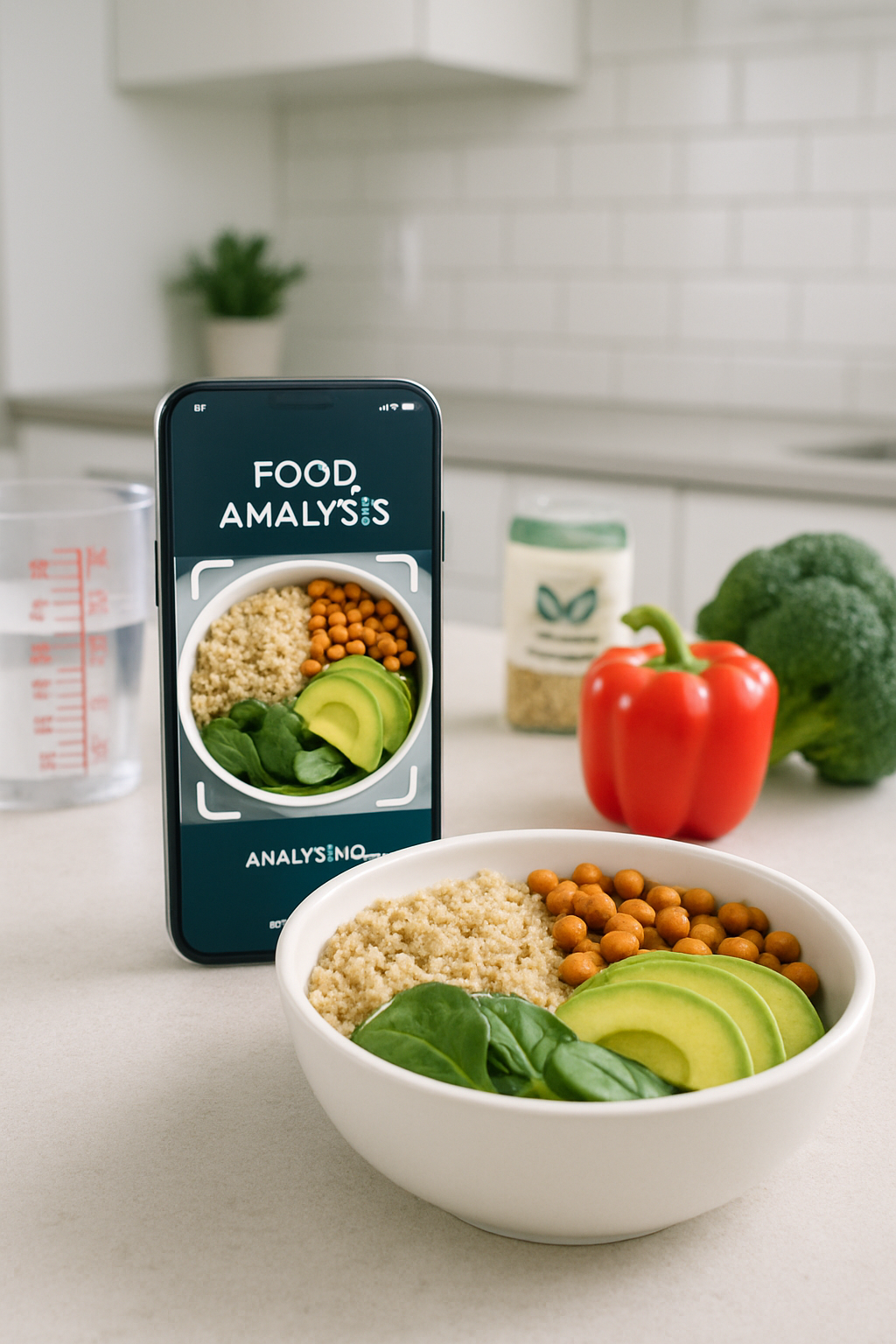
Imagine a different scenario. You prepare a nourishing lunch bowl. You take out your phone, snap a picture, and within seconds, an app identifies the quinoa, roasted chickpeas, avocado, and spinach, providing a close estimate of the calories and macros. You confirm, and you're done. This isn't science fiction; it's the core promise of an AI nutrition tracker.
Using advanced image recognition, this new wave of health technology analyzes a photo of your meal and breaks it down into its components. It's designed around human behavior rather than forcing us into a rigid database. Apps like SnapEat AI are at the forefront of this movement, offering one of the most compelling alternatives to manual food logging. The premise is revolutionary in its simplicity: it allows you to track food by taking a picture, eliminating the most frustrating step of the old process.
More Than Convenience: The Health Benefits of Smart Tracking
As a nutritionist, what excites me most isn't just the 'cool' factor of the technology. It's the profound impact this simplicity has on real health outcomes.
1. Consistency is King
The biggest barrier to effective tracking is inconsistency. By making food logging almost effortless, AI tools dramatically increase the likelihood that you'll do it every day. This consistent data is the gold standard for understanding your habits and making effective changes.
2. Enhanced Mindfulness and Portion Control
A photo food journal creates a powerful visual diary of your intake. Seeing your day laid out in pictures, rather than just text and numbers, fosters a more honest view of your eating habits and helps you become more aware of portion control.
3. Data-Driven Insights for Your Goals
Whether your goal is weight loss, muscle gain, or improving energy, success depends on accurate data. The easiest way to track macros is the method you can stick with. Smart nutrition tracking provides the reliable input needed to see what’s working and how to adjust your plan for optimal results.
A Nutritionist's View: AI Tracker Strengths and Limitations
Is an AI nutrition tracker a perfect, infallible solution? Not yet. It's crucial to approach this technology with a balanced perspective.
The Strengths: For the average person looking to build awareness and consistency, these apps are game-changers. They lower the barrier to entry and make smart nutrition tracking accessible to everyone, promoting mindful eating habits without the traditional friction.
The Limitations: AI can struggle to identify hidden ingredients in complex dishes like stews or casseroles. It can't 'see' the tablespoon of olive oil you cooked with or the sugar in your coffee. Portion size estimation is still an area of active development. Therefore, these apps should be seen as powerful tools, not replacements for nutritional wisdom. Use them to learn, but don't be afraid to manually adjust an entry if you know the AI missed something.
Conclusion: Is an AI Food Tracker Right for You?
The 'comedic hellscape' of old-school calorie counter apps highlighted a desperate need for innovation. That innovation is here. The shift towards AI-powered tools like SnapEat AI represents a move away from tedious data entry and towards effortless, intuitive insight.
If you’ve given up on tracking food in the past, it might be time to reconsider. The question is no longer about whether you have the willpower to navigate a clunky app; it’s about finding a smart, simple tool that fits your life. Your health journey shouldn't feel like a chore. By embracing new technology, you can finally close the curtain on frustration and start a new chapter focused on clarity, consistency, and a truly healthier relationship with food.