


The 3 Pillars of an Athlete Diet Plan
An elite athlete's body is a high-performance machine demanding premium fuel. Forget restrictive fads; a true athlete diet plan is built on three pillars of strategic nutrition designed for peak performance and rapid recovery. Understanding these will unlock your own potential.
Pillar 1: Balanced Macronutrients – The Building Blocks of Power
A finely tuned diet is about balance, not elimination. For an athlete, macronutrients—protein, carbohydrates, and fats—are meticulously managed for optimal results.
- Protein for Muscle Recovery: Essential for repairing and building muscle. After intense training, protein helps rebuild muscle fibers, making them stronger. Aim for 1.6-2.2 grams per kilogram of body weight from sources like chicken, fish, eggs, Greek yogurt, and lentils.
- Carbohydrates for Energy: This is your primary fuel source. Complex carbohydrates (oats, brown rice, quinoa, sweet potatoes) provide sustained energy, preventing crashes and ensuring you can perform at your peak for longer.
- Healthy Fats for Overall Health: Crucial for hormone production and reducing inflammation. Healthy fats from avocados, nuts, seeds, and olive oil support joint health and endurance, which is vital for anyone active.
Pillar 2: Nutrient Timing – When You Eat Matters
What you eat is critical, but when you eat can be a game-changer for performance nutrition and muscle growth.
- Pre-Workout Fuel: About 1-2 hours before activity, consume a meal rich in complex carbs with a moderate amount of protein. This tops off your energy stores without causing digestive issues.
- Post-Workout Recovery: Within 60-90 minutes after activity, a combination of fast-digesting protein and carbohydrates is crucial. Carbs replenish depleted glycogen (energy) stores, while protein kickstarts the muscle recovery process. A protein shake with a banana is a classic, effective choice.
Pillar 3: Hydration & Micronutrients – The Unseen Essentials
While macros get the spotlight, hydration and micronutrients are the unsung heroes. Dehydration is a direct path to decreased performance. Water regulates body temperature, transports nutrients, and lubricates joints. Furthermore, a diet rich in colorful fruits and vegetables provides vitamins, minerals, and antioxidants to fight exercise-induced inflammation and bolster your immune system.
A Day in the Life: An Athlete-Inspired Meal Plan
So, what does a professional athlete eat in a day? Here is a sample template inspired by the principles that fuel elite performers. Use this as a guide to build your own plan.
- Breakfast (8 AM): Scrambled eggs with spinach and a side of oatmeal with berries. This provides protein for muscle maintenance, complex carbs for sustained energy, and micronutrients.
- Lunch (12 PM): Grilled chicken breast, a large portion of quinoa, and a mixed green salad with an olive oil vinaigrette. A perfectly balanced meal to refuel for the afternoon.
- Pre-Workout Snack (3 PM): Greek yogurt with a handful of almonds. This offers quick-digesting carbs and protein for an immediate energy boost.
- Dinner/Post-Workout Meal (6 PM): Baked salmon (rich in omega-3 fats), a roasted sweet potato, and steamed broccoli. This meal is designed for optimal recovery, reducing inflammation and replenishing energy stores.
The Modern Playbook: How to Track Your Diet with AI
Following a plan is one thing, but ensuring you consistently hit your targets is another. You can't improve what you don't measure. While traditional food logging is tedious, technology has changed the game.
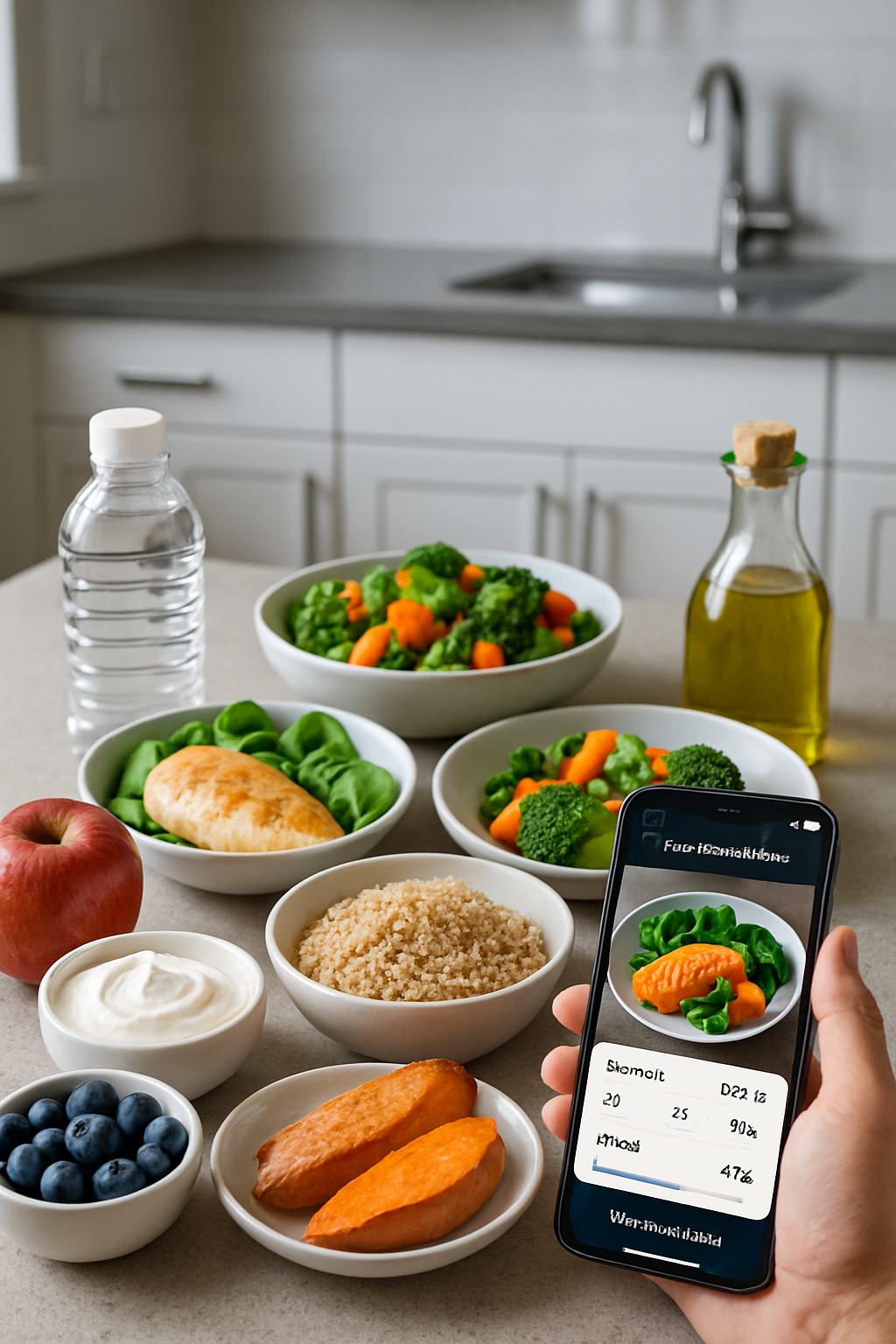
The SnapEat AI app is a revolutionary nutrition tracker app that simplifies this process. Instead of manual entry, you just snap a photo of your meal. The powerful AI food tracker instantly analyzes the image, identifies the foods, estimates portion sizes, and logs the calories and macronutrients. It turns a chore into a seamless, two-second habit.
Beyond just being a calorie counter, it provides a detailed diet analysis, showing if you're hitting your protein goals for recovery or optimizing carbs for energy. This is how you make data-driven adjustments just like a pro's nutritionist would.
Frequently Asked Questions (FAQ) about Athlete Nutrition
Here are answers to common questions about adopting a performance-focused diet.
What is the best diet for athletic performance?
The best diet is not a specific named diet, but a set of principles: a balanced intake of protein, complex carbs, and healthy fats; proper nutrient timing around workouts; consistent hydration; and a focus on whole, unprocessed foods. It should be customized to your specific sport, goals, and body.
Is a nutrition tracker app worth it?
Absolutely. For anyone serious about changing their body composition or improving performance, a tracker provides objective data. It removes guesswork, increases accountability, and helps you understand the connection between what you eat and how you feel and perform. An AI-powered app like SnapEat makes this process effortless.
How do I start tracking my macros for performance?
Start by using an app like SnapEat AI. For the first week, just eat normally and track everything to establish a baseline. Then, set a goal (e.g., increase protein) and make small, incremental changes. The app's visual feedback will show your progress, making it easy to adjust and stay on track.
Your Turn at the Plate: Fuel Your Success
The principles behind an elite athlete's diet are not a secret reserved for the pros. They are a universal blueprint for anyone wanting to improve their health, energy, and performance. By focusing on high-quality macronutrients, smart nutrient timing, and consistent tracking, you can fuel your body for success.
Stop guessing and start knowing. It's your turn to step up to the plate. Download SnapEat AI today and turn your meals into data-driven results.