


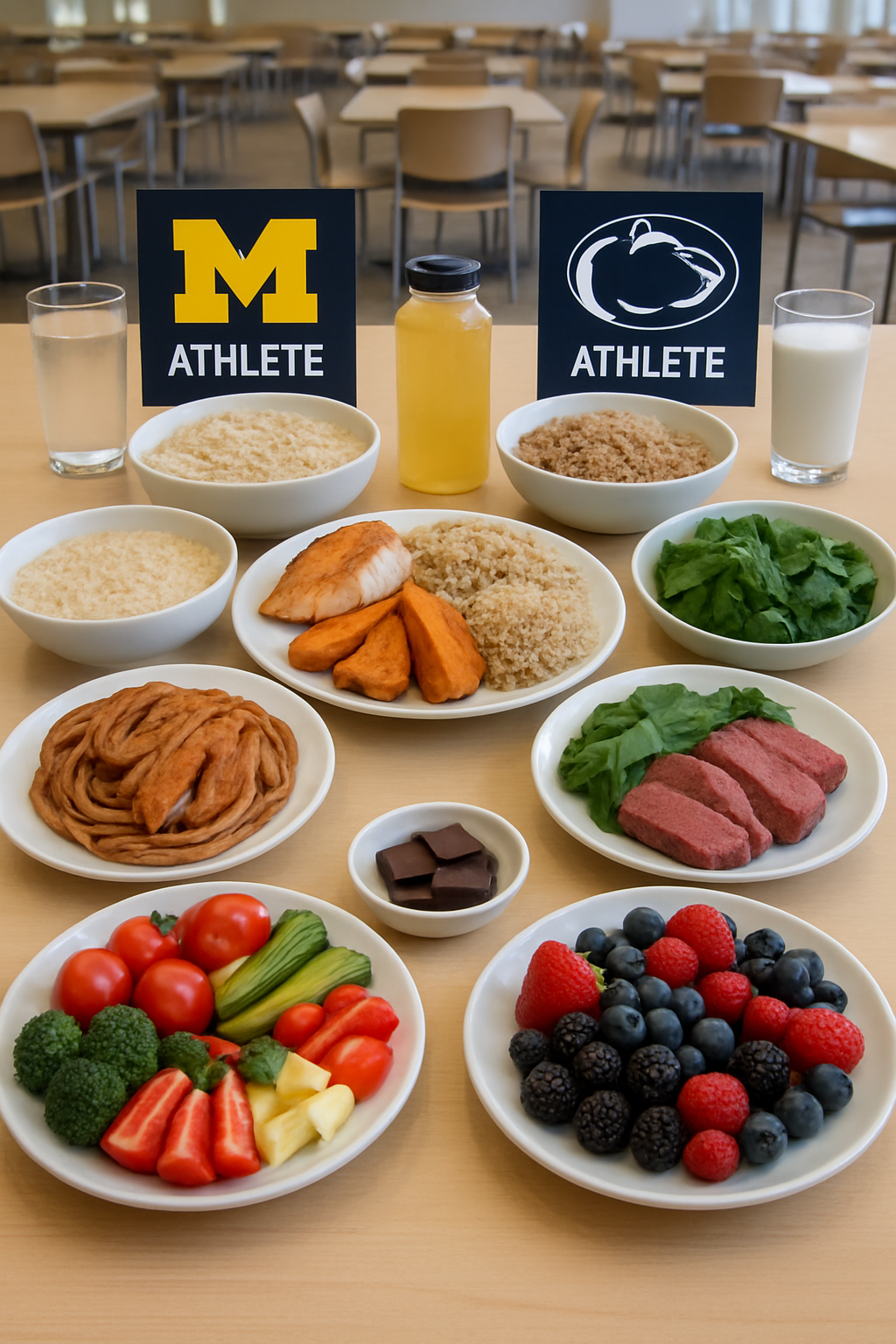
Athlete Nutrition Face-Off: Michigan vs Penn State Diet Plans
The roar of the crowd, the clash of helmets—when Michigan and Penn State face off, it's a battle of titans. But long before the first whistle, another critical battle is won: in the kitchen. Championships are built on a strategic game plan that extends to the dinner plate. The fuel these elite athletes consume is as crucial as the plays they run.
So, what does a college athlete diet really look like? Today, we're staging our own face-off, breaking down the nutritional strategies of these two powerhouse programs. More importantly, we'll show you how a tool like SnapEat AI can bring this elite precision to your own health goals. Let's dive into the playbook of how to eat like a champion.
The Champion's Playbook: Core Principles of Athlete Nutrition
Before examining specific team meals, it’s crucial to understand the universal principles of performance nutrition. Every elite athlete’s diet is built on quality macronutrients and precise meal timing.
The Three Macronutrient Players
- Protein (The Builders): After a tough workout, muscles have microscopic tears. Protein provides the amino acids to repair this damage, making muscles stronger. Athletes often aim for 1.6-2.2 grams of protein per kilogram of body weight, making protein for muscle repair a non-negotiable.
- Carbohydrates (The Fuel): Carbs are the primary energy source for high-intensity activity. Stored as glycogen in muscles, they fuel explosive sprints and sustained effort. Without adequate carbohydrates for energy, an athlete's performance will quickly decline.
- Fats (The Endurance): Healthy fats from sources like avocado and nuts are a long-lasting energy source, crucial for endurance and overall health. They also aid in hormone production and absorbing essential vitamins.
Timing is Everything: Pre- and Post-Game Fueling
When you eat is as important as what you eat. A pre-game meal for athletes, consumed 2-3 hours before competition, should be rich in complex carbs for sustained energy and contain moderate protein. Immediately after, the right post-workout recovery food—a mix of simple carbs and protein—is key to replenish energy and kickstart muscle repair.
Inside the Michigan Wolverines' Training Table: Power and Stamina
Michigan's physical dominance requires a nutrition plan designed for sustained power and endurance over four quarters.
- Offensive Fuel (Complex Carbs): To power long drives, their diet centers on complex carbohydrates that provide a slow, steady release of energy. Think large bowls of oatmeal for breakfast, sweet potatoes and brown rice at lunch, and whole-wheat pasta for dinner.
- Defensive Build (Lean Protein): To maintain a powerful physique, Michigan athletes consume high-quality, lean proteins like grilled chicken breast, turkey, and fish like salmon (which also provides anti-inflammatory omega-3 fats).
- Special Teams (Hydration & Micronutrients): Hydration is paramount. Constant access to water and electrolyte drinks is standard. A rainbow of fruits and vegetables provides essential vitamins and minerals to keep the immune system strong.
Decoding the Penn State Nittany Lions' Plate: Strength and Agility
Penn State is known for explosive, agile athletes. Their diet emphasizes fuel for quick bursts of power while building a resilient body.
- Offensive Fuel (Quick & Sustained Energy): A Penn State plate is also rich in carbs, but balances quick and sustained energy. Quinoa, a complete protein and complex carb, is a staple. Berries and other fruits provide quick-digesting carbs perfect for a pre-training boost.
- Defensive Build (Muscle & Bone Density): Building a physical fortress requires a focus on muscle mass and bone density. Lean red meat provides iron for power, while dairy like milk and cottage cheese supplies casein protein and calcium for strong bones.
- Special Teams (Anti-Inflammatory Foods): Intense training causes oxidative stress. A diet rich in antioxidants from colorful vegetables, berries, and even dark chocolate helps combat inflammation, speeding up recovery.
The Face-Off Verdict: Who Wins the Nutrition Game?
So, who comes out on top? It’s a tie. While specific food choices vary, the core principles of an elite college athlete diet are identical: prioritizing whole foods, balancing macronutrients, and perfecting meal timing. The real winner is any individual who applies these principles with consistency and personalization. The secret to how to eat like an athlete isn't a secret—it's about dedication.
Build Your Championship Game Plan with SnapEat AI
You don't need to be a D1 athlete to fuel your body like one. The biggest hurdle is often not knowing what your current intake looks like. That’s where the right technology gives you the home-field advantage.
SnapEat AI acts as your personal nutrition coach, simplifying the complexities of performance nutrition. It's the ultimate nutrition tracking app for athletes and anyone serious about their health goals.
- Scout Your Intake: Simply snap a photo of your meal. SnapEat AI’s advanced technology analyzes the food and provides a detailed nutritional breakdown—no more tedious manual entry.
- Analyze Your Stats: Instantly see your calories, protein, carbs, and fats. This post-meal report shows you exactly where you’re winning and where you need to adjust your game plan.
- Execute Your Strategy: Armed with data, you can make informed decisions. Want to build muscle like a Nittany Lion? Use SnapEat AI to ensure you’re hitting protein targets. Need sustained energy like a Wolverine? Track your complex carb intake.
Frequently Asked Questions About Athlete Nutrition
What is a good pre-game meal?
A good pre-game meal, eaten 2-3 hours before activity, should be high in complex carbohydrates, moderate in lean protein, and low in fat and fiber to prevent digestive issues. An example is grilled chicken with a large side of sweet potato and a small green salad.
How much protein do college football players eat?
It varies, but many aim for 1.6-2.2 grams of protein per kilogram of body weight (or about 0.7-1.0 grams per pound). For a 250lb lineman, this could be 175-250 grams of protein per day, distributed across several meals.
What foods should athletes avoid?
Athletes should generally limit highly processed foods, sugary drinks, and excessive saturated/trans fats. These can cause energy crashes, promote inflammation, and offer little nutritional value. It's about moderation, not complete elimination.
Is a nutrition tracking app necessary for athletes?
While not strictly necessary, a nutrition tracking app like SnapEat AI removes guesswork. It ensures you're consistently hitting the specific macro and micronutrient targets required for peak performance and recovery, turning good intentions into measurable results.
Conclusion: Fuel Your Victory Every Day
Elite athlete nutrition isn't about magic powders; it’s a smart, consistent approach to fueling your body for its specific demands. By focusing on high-quality macronutrients, smart meal timing, and precise tracking, you can unlock a new level of performance in your own life.
Stop guessing and start winning your health journey. Download SnapEat AI today, and begin to fuel your body like the champion you are.