


The Elite Athlete's Plate: A Tale of Two Nutritional Philosophies
Ever wonder, "What do basketball players eat?" The answer isn't a single meal plan; it's a dynamic strategy tailored to their specific role on the court. Think of it as two distinct offensive schemes rooted in sports science.
Timberwolves Nutrition: Fueling for Power and Strength
Minnesota’s game often relies on the raw power and physical presence of players who battle for rebounds and dominate the post. Their nutritional strategy is built for sustained power and muscle maintenance.
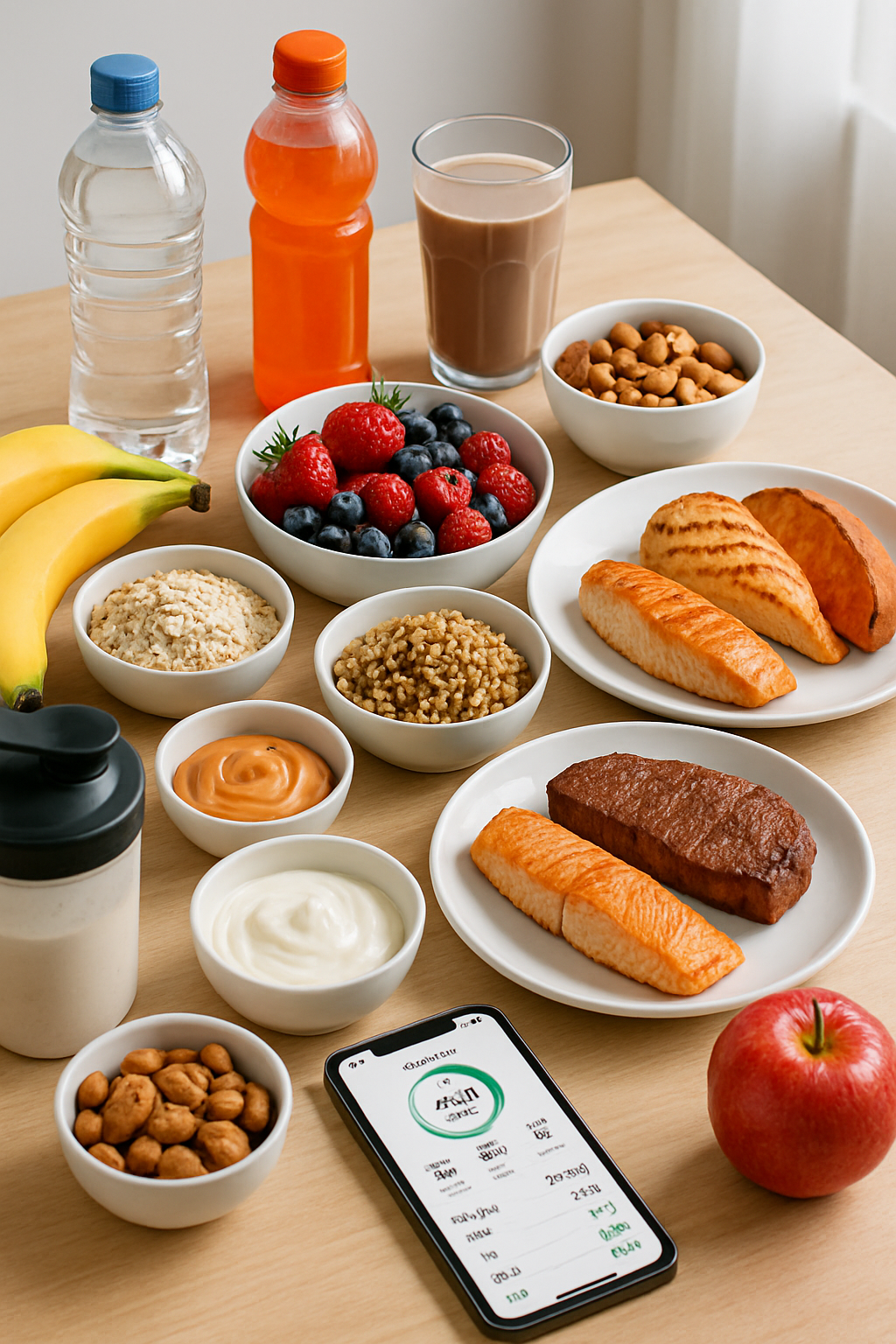
- The Fuel for Endurance: Complex carbohydrates are the cornerstone. Foods like oatmeal, quinoa, sweet potatoes, and whole-wheat pasta provide a slow, steady release of energy. This is crucial for preventing a performance drop in the fourth quarter and maintaining peak athletic output.
- The Blueprint for Muscle: Lean protein is non-negotiable for building and repairing muscle tissue after intense physical exertion. Grilled chicken, fish like salmon (rich in anti-inflammatory omega-3s), and lean red meat are staples. This is fundamental sports nutrition for maintaining strength throughout a grueling season.
Hornets Nutrition: Fueling for Agility and Speed
Charlotte’s style often emphasizes explosive speed, quick transitions, and relentless agility. Their players need instant, accessible energy to outrun and outmaneuver opponents.
- The Fuel for Explosiveness: Easily digestible carbohydrates are vital right before game time. A well-timed pre-workout meal for energy might include fruits like bananas, white rice, or targeted energy gels. These provide a quick source of glucose for immediate use by the muscles.
- The Defense Against Wear: A diet rich in antioxidants from berries, leafy greens (like spinach and kale), and colorful vegetables helps combat oxidative stress. This cellular damage is a natural result of intense exercise, and mitigating it helps speed up recovery and keeps players agile and ready for the next game.
The Universal Playbook: Hydration and Micronutrients
Regardless of strategy, every player on the court shares non-negotiable nutritional pillars. Hydration is paramount; water and electrolyte-rich drinks are essential for preventing cramps, maintaining cognitive function under pressure, and regulating body temperature. Furthermore, a spectrum of micronutrients (vitamins and minerals) from a diverse diet ensures every bodily system—from energy metabolism to immune defense—is functioning at an elite level.
Translating Pro Nutrition to Your Personal Game Plan
You don't need to be training for the NBA to adopt this pro-level mindset. Whether you're hitting the gym, training for a 5K, or simply aiming for more energy in your daily life, you can strategize your nutrition for peak performance.
- Identify Your "Game Style": Are you focused on building strength like a Timberwolves center (weightlifting, HIIT)? Prioritize lean protein and complex carbs. Or is your goal endurance and agility like a Hornets guard (running, cycling, sports)? Focus on a strategic mix of complex and simple carbs timed around your activity.
- Pre-Game Fuel (Your Workout Meal): To maximize performance, aim to eat 1-2 hours before a workout. A perfect pre-workout meal for energy combines carbohydrates with a small amount of protein.
- Strength Style: A bowl of oatmeal with a scoop of protein powder and berries.
- Endurance Style: A banana with a tablespoon of almond butter.
- Half-Time Recharge (Beat the Afternoon Slump): That 3 PM energy dip is your body calling for fuel. Instead of sugary snacks that lead to a crash, have a strategic "half-time" snack. Greek yogurt, a handful of almonds, or an apple provides a steady energy boost without the subsequent burnout.
- Post-Game Recovery (Repair and Refuel): The 30-60 minutes after your workout is a critical window for recovery. Your muscles are primed to absorb nutrients for repair and growth. The ideal post-workout recovery food contains both protein and carbohydrates to replenish glycogen stores and kickstart muscle repair.
- The Perfect Recovery Play: A protein shake with a banana, chocolate milk, or a balanced meal of grilled chicken with roasted sweet potatoes will optimize your muscle recovery.
Winning with Intelligence: How SnapEat AI Becomes Your Personal Nutrition Coach
Managing this level of nutritional detail can feel like running a complex offensive set. This is where technology steps in. A modern AI nutrition app like SnapEat AI simplifies the entire process and acts as your dedicated coach.
- Scout Your Food Instantly: Confused about what's in your meal? Just snap a photo. SnapEat AI provides an instant, detailed analysis of calories and macronutrients (protein, carbs, fat). It removes the guesswork from tracking your intake.
- Design Your Custom Playbook: Based on your personal goals—whether it’s building muscle, losing fat, or improving endurance—the app delivers personalized meal guidance. It helps you build a meal plan that aligns with your "game style," making advanced sports nutrition accessible to everyone.
- Track Your Stats for Consistent Wins: Elite athletes watch game film to improve. SnapEat AI allows you to track your intake and monitor your progress over time. This data is your film, showing you what’s working and where you can adjust your strategy to keep winning.
Frequently Asked Questions about Athlete Nutrition
What's the main difference between pre-workout and post-workout meals?
A pre-workout meal focuses on providing easily accessible energy (carbohydrates) to fuel your activity. A post-workout meal focuses on recovery, combining protein to repair muscles and carbohydrates to replenish the energy you've just used.
How much protein does an athlete really need?
While needs vary, a general guideline for athletes is about 1.2 to 2.0 grams of protein per kilogram of body weight. A strength-focused athlete might aim for the higher end of this range, while an endurance athlete might be closer to the middle. Tools like SnapEat AI can help you track this accurately.
Can I use SnapEat AI even if I'm not a professional athlete?
Absolutely! The principles of performance fueling apply to anyone looking to improve their energy, fitness, and overall health. SnapEat AI is designed for all goals, from elite athletic performance to simply wanting to eat healthier and feel your best every day.
Conclusion: Become the MVP of Your Own Health Journey
The gap between elite athlete nutrition and your own diet isn't as wide as you might think. The core principles are the same: fuel for your specific goals, prioritize recovery, and remain consistent. The strategies used by the Hornets and Timberwolves are built on a solid foundation of nutritional science—a foundation that is now accessible to everyone.
You have the game plan. You have the knowledge. And with powerful tools like SnapEat AI, you have a world-class nutrition coach right in your pocket. Stop sitting on the sidelines of your health. Start your personal nutrition showdown today and fuel your body like the champion you are.