


Phase 1: Pre-Game Fuel for Peak Performance
No athlete steps onto the field on an empty stomach. The pre-game meal is a strategic ritual to maximize energy stores. The goal is to consume a meal rich in complex carbohydrates for slow-release, sustained energy and lean protein to prepare muscles for intense action. This simple step is your best defense against hitting a wall mid-performance.
What Pro Athletes Eat
A typical pre-game meal is eaten 2-3 hours before competition and might include grilled chicken (protein), sweet potatoes (complex carbs), and steamed vegetables. This provides the perfect balance for peak output.
Your Winning Move: What to Eat Before Your Workout
Your "game time" might be a gym session, a 5k run, or a high-stakes presentation. Apply the same principle by eating 1-2 hours beforehand. Avoid heavy, fatty foods that divert energy to digestion and leave you feeling sluggish.
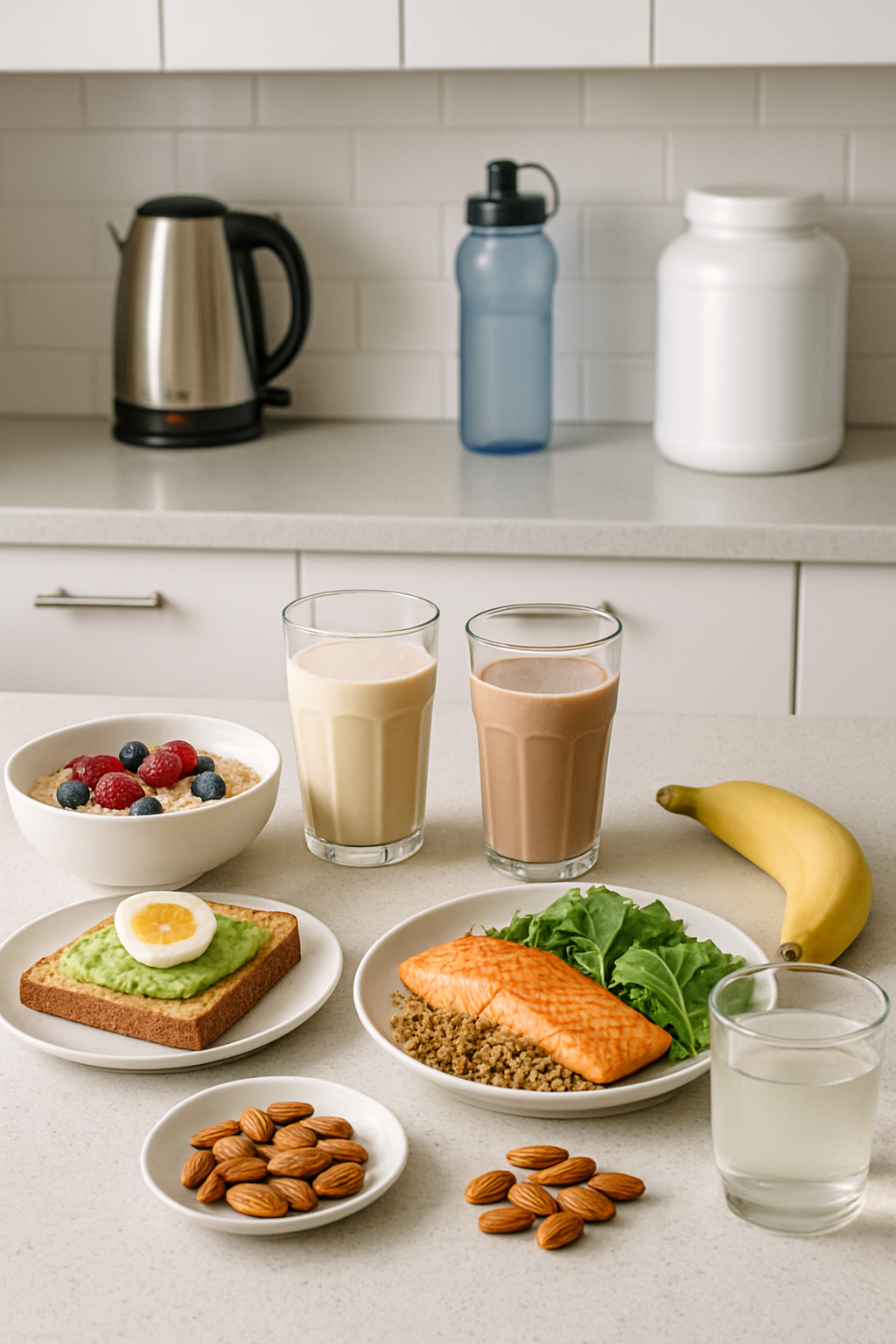
- Oatmeal with Berries: A powerhouse of complex carbs and antioxidants. Add a scoop of protein powder for extra muscle support.
- Greek Yogurt with a Banana: Offers a great mix of protein and easily digestible carbs for a quick energy boost.
- Whole-Wheat Toast with Avocado and Eggs: Delivers a balanced mix of all three macronutrients—carbs, protein, and healthy fats.
Consistently timing your pre-workout meal ensures your energy levels are stable and your mind is sharp, a core principle of effective sports nutrition.
Phase 2: Halftime Strategy to Beat Fatigue
Halftime isn't just a rest period; it’s a strategic pit stop. Athletes use this time to rehydrate and consume easily digestible carbs. This replenishes glycogen stores (your body's primary fuel source) and electrolytes lost through sweat, which is crucial for preventing cramps and maintaining second-half intensity.
What Pro Athletes Do
They focus on simple, effective fuel: water, an electrolyte drink, and quick-energy foods like a banana or orange slices.
Your Winning Move: Beat the Midday or Mid-Workout Slump
That 2 PM energy crash is your personal "halftime." Instead of reaching for a sugary drink that leads to a subsequent crash, make a strategic choice. For long workouts (over 90 minutes), this is your intra-workout fuel.
- A Banana: Packed with potassium (an electrolyte) and quick-release carbohydrates.
- A Small Handful of Almonds: Provides sustained energy through healthy fats and protein.
- Coconut Water: A natural source of electrolytes to aid hydration.
Phase 3: Post-Game Recovery for Muscle Repair
The final whistle doesn't end the nutrition game plan. The 30-60 minute window after intense exercise is critical for post-workout recovery. During this time, your body is primed to absorb nutrients for muscle repair and to restock energy reserves. The perfect formula is a combination of fast-acting protein and carbohydrates.
What Pro Athletes Eat
Often, a protein shake is consumed immediately, followed later by a balanced meal like salmon (protein and anti-inflammatory fats) with quinoa (carbs and protein).
Your Winning Move: The Best Foods for Muscle Recovery
This is arguably the most vital part of your fitness fuel strategy. What you eat here determines how quickly you recover, how sore you feel, and how much stronger you get for your next session.
- Chocolate Milk: Backed by science, it offers an ideal carb-to-protein ratio for replenishing glycogen and initiating muscle synthesis.
- Protein Shake: A whey or plant-based protein shake is quickly absorbed, delivering amino acids to your muscles when they need them most.
- A Complete Meal: Within two hours, aim for a meal like grilled steak with roasted potatoes and broccoli to complete the recovery process.
Your Personal Playbook: SnapEat AI's Championship Strategy
Understanding an athlete diet is one thing; implementing it daily is another. This is where technology becomes your personal nutrition coach. Instead of guessing your macronutrient intake, you can track it with precision.
By simply snapping a photo of your meal, SnapEat AI analyzes your food's nutritional content, showing you the protein, carbs, and fats. It provides instant feedback, helping you see if your pre-workout meal had enough energy-rich carbs or if your recovery meal packed the protein needed for muscle repair. It transforms these pro-level concepts into a simple, actionable plan, taking the guesswork out of fueling like a champion.
Frequently Asked Questions (FAQ) about Workout Nutrition
1. How long should I wait to work out after eating?
For a full meal, wait 2-3 hours. For a smaller snack like a banana or yogurt, 30-60 minutes is usually sufficient. This gives your body time to digest without feeling sluggish.
2. What are the worst foods to eat before a workout?
Avoid high-fat foods (like fried food), overly fibrous foods (like a massive bean salad), and sugary drinks. They can cause digestive distress, bloating, or a rapid energy crash.
3. Is chocolate milk really good for recovery?
Yes! Numerous studies support low-fat chocolate milk as an excellent recovery drink. It contains an optimal 4:1 ratio of carbohydrates to protein, which helps replenish energy stores and repair muscles effectively. Plus, it aids in rehydration.
Conclusion: It’s Your Championship Season
The electrifying intensity of a Browns vs. Steelers rivalry is powered by precise, strategic nutrition. By adopting the same core principles—fueling before, refueling during, and recovering after—you can elevate your own performance in the gym, at work, and in life.
Your championship season starts today. It's not about perfection, but consistency. Start by planning your pre-workout meal this week. Focus on your post-workout recovery. With a smart game plan and a tool like SnapEat AI to keep you accountable, you have everything you need to crush your goals.
Ready to fuel like a pro? Download SnapEat AI and start tracking your championship diet today!