


The 'Win': Why Performance Nutrition is Your Secret Weapon
Eating for athletic performance is fundamentally different from a standard diet. It’s not about restriction; it’s about strategic fueling for a competitive edge. Every meal is a choice that either builds you up or holds you back from your peak potential.
- Fuel for Explosive Power: Forget the fear of carbs. For an athlete, carbohydrates are high-octane fuel stored as glycogen in your muscles. They are your primary energy source for high-intensity efforts like sprinting, lifting, and pushing through the final minutes of a game. The right athlete nutrition plan ensures you have the energy to outperform the competition.
- Build and Repair the Machine: Intense training breaks down muscle fibers. Protein is the essential building block that repairs this damage, making your muscles stronger. Prioritizing post-workout nutrition with adequate protein accelerates recovery, reduces soreness, and is critical for building lean muscle mass that generates power and speed.
- Sharpen Your Mental Game: Your brain runs on fuel, too. Dehydration and poor nutrition lead to brain fog, slow reaction times, and poor decision-making. Elite performance nutrition ensures your mind is as sharp and focused as your body, helping you make split-second decisions that lead to victory.
The 'Eat': Crafting Your High-Performance Plate
Understanding *why* is the first step. Knowing *what* and *when* to eat is how you implement your strategy. This is the core of any successful athlete diet plan.
Mastering Macronutrients for Athletes
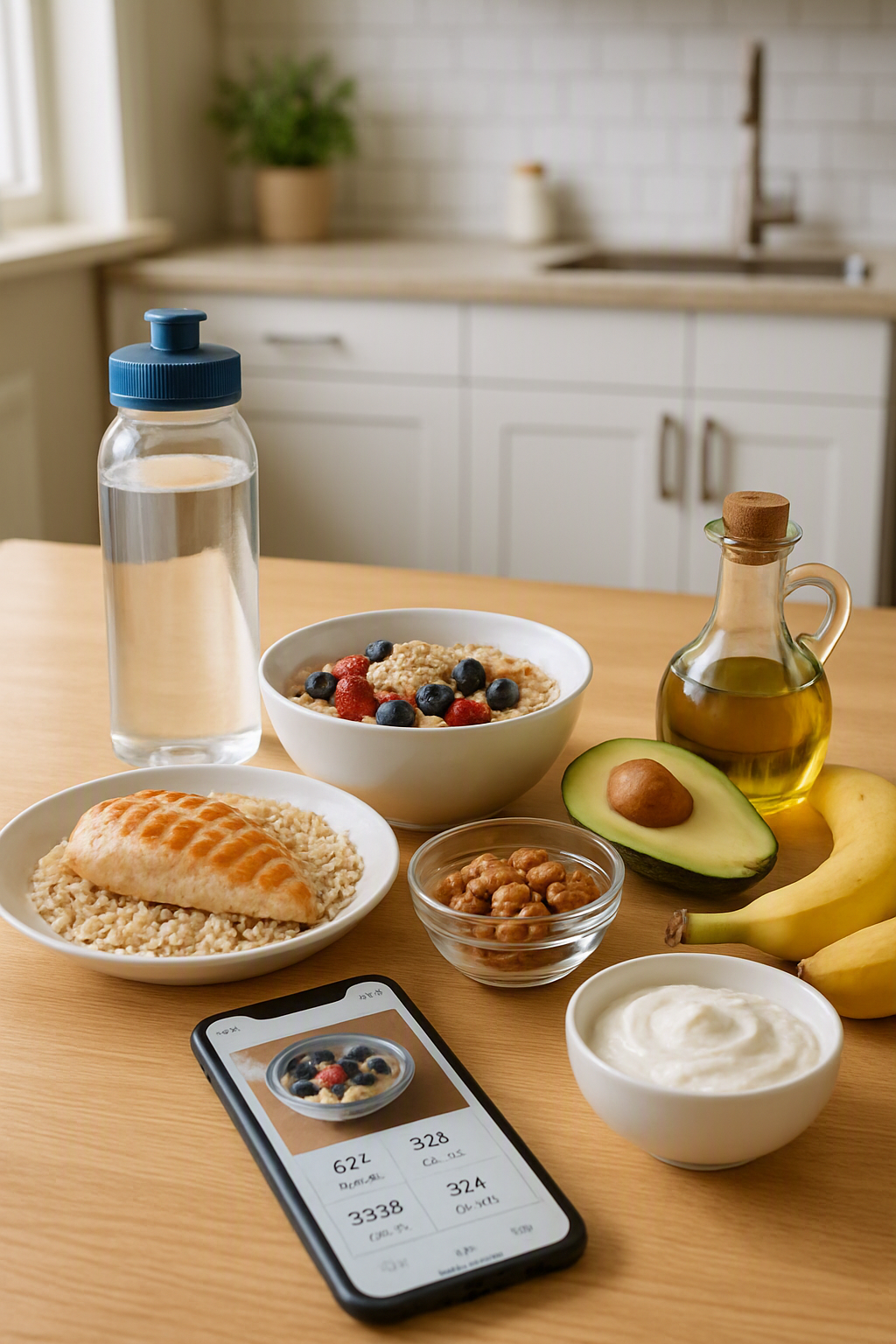
- Carbohydrates (45-65% of calories): Focus on complex carbs like oats, brown rice, and sweet potatoes for sustained energy. Simple carbs from fruits are perfect for a quick pre-workout boost.
- Protein (1.4-2.0g per kg of body weight): Lean sources are your best friend. Think chicken breast, fish, eggs, Greek yogurt, and quality protein supplements to maximize muscle recovery.
- Fats (20-35% of calories): Healthy fats from avocados, nuts, seeds, and olive oil are crucial for hormone regulation, reducing inflammation, and overall energy.
Nutrient Timing is Everything
- Pre-Workout (1-2 hours before): A meal rich in carbohydrates with a moderate amount of protein tops off your energy stores. Example: A bowl of oatmeal with berries and a scoop of protein powder.
- Post-Workout (Within 60-90 minutes): This is your critical recovery window. A fast-digesting protein and carbohydrate source replenishes glycogen and kickstarts muscle repair. Example: A protein shake with a banana is a classic for a reason.
Hydration: The Unsung Hero of Performance
A mere 2% drop in hydration can significantly impair performance. Don't wait until you're thirsty. Sip water consistently throughout the day. A great rule of thumb is to monitor your urine color—pale yellow is the goal for optimal hydration for athletes.
The 'Track': From Guesswork to Precision with an AI Food Tracker
You can have the best game plan, but if you aren't measuring, you're just guessing. 'Eating clean' is a great start, but it lacks the precision needed for peak performance. Did you hit your protein target for recovery? Were your carbs sufficient for that intense session?
This is where the revolution in athlete nutrition begins. Manual food logging is tedious and notoriously inaccurate. An AI food tracker like SnapEat AI eliminates the friction and guesswork. Instead of typing, you simply snap a picture of your meal. The AI instantly analyzes the food and portion size with incredible accuracy, logging the complete nutritional breakdown.
The SnapEat AI Advantage:
- Speed and Simplicity: Tracking takes seconds. Consistency is key, and this makes it effortless.
- Unmatched Accuracy: AI-powered image recognition provides data you can trust for your performance goals.
- Actionable Insights: SnapEat AI is more than a macro tracker; it's an AI nutrition coach. It turns data into knowledge, helping you connect your diet to your performance.
Ready to stop guessing? Download SnapEat AI and start tracking with precision today.
Frequently Asked Questions (FAQ) about Athlete Nutrition
1. What is the difference between sports nutrition and regular nutrition?
Sports nutrition is specifically tailored to fuel athletic activity, enhance performance, and improve recovery. It focuses on strategic macronutrient intake and timing around training, whereas regular nutrition focuses on general health and disease prevention.
2. How much protein does an athlete really need?
Most athletes need between 1.4 to 2.0 grams of protein per kilogram of body weight per day. The exact amount depends on the sport's intensity and the athlete's goals (e.g., muscle gain, endurance).
3. Is an AI food tracker accurate for athletes?
Yes, advanced platforms like SnapEat AI use vast visual databases and machine learning to provide highly accurate estimations of ingredients and portion sizes, often exceeding the accuracy of manual entry. This makes it one of the best food tracking apps for athletes who need reliable data.
4. What's the most important macronutrient for energy?
Carbohydrates are the body's most efficient and preferred source of energy for high-intensity exercise. They are essential for topping off glycogen stores before a workout and replenishing them afterward.
Your Game Plan: Fuel, Track, and Win Today
You don't need a team of personal chefs to eat like a champion. You need a smarter approach that leverages technology to your advantage.
- Define Your 'Win': Set a clear, measurable performance goal.
- Eat with Purpose: Build your meals around the principles of performance nutrition.
- Track with Precision: Ditch the guesswork. Use an AI food tracker to get an accurate, effortless picture of your fuel intake.
- Analyze and Adjust: Use the data to connect what you eat to how you feel and perform. Make informed adjustments to optimize your results.
The dedication you see in elite athletes is a choice to pursue excellence. Today, that choice is yours. Stop guessing and start winning. Download SnapEat AI and begin fueling your inner champion.