


Understanding the Unique Nutritional Hurdles in the Autism Community
To appreciate the impact of an innovative tool like SnapEat AI, we must first understand the specific challenges faced by the autism community. Effective nutrition tracking for autism isn't just about calories; it's about navigating a unique and often complex set of needs.
Sensory Sensitivities and Food Choices
Many autistic individuals experience the world with heightened senses. For them, a food’s texture (e.g., slimy, mushy), smell, or even color can be intensely overwhelming, leading to the rejection of entire food groups. This is not simply 'picky eating'; it is a genuine and often distressing sensory response that profoundly impacts dietary variety.
Food Selectivity and Nutritional Gaps
As a direct result of sensory sensitivities, a highly selective or 'beige' diet is common. This diet may consist of just a handful of predictable, "safe" foods, significantly increasing the risk of nutritional deficiencies in essential vitamins and minerals like iron, calcium, and Vitamin D.
The Critical Importance of Routine
Routine and predictability are emotional anchors for many on the spectrum. Unexpected changes to meals, such as introducing new foods without a careful strategy, can cause significant anxiety and distress. This makes dietary expansion a slow, delicate process requiring immense patience.
The Caregiver's Perspective and Burnout
For parents and caregivers, ensuring their loved one receives adequate nutrition can feel like a relentless, high-stakes battle. The mental load of planning, preparing, tracking meals, and managing mealtime stress can be immense, often leading to caregiver burnout.
What is SnapEat AI? The Power of Visual Food Recognition
SnapEat AI is not just another food diary app. Its core strength lies in its profound simplicity, powered by sophisticated technology designed to lower barriers to health management.
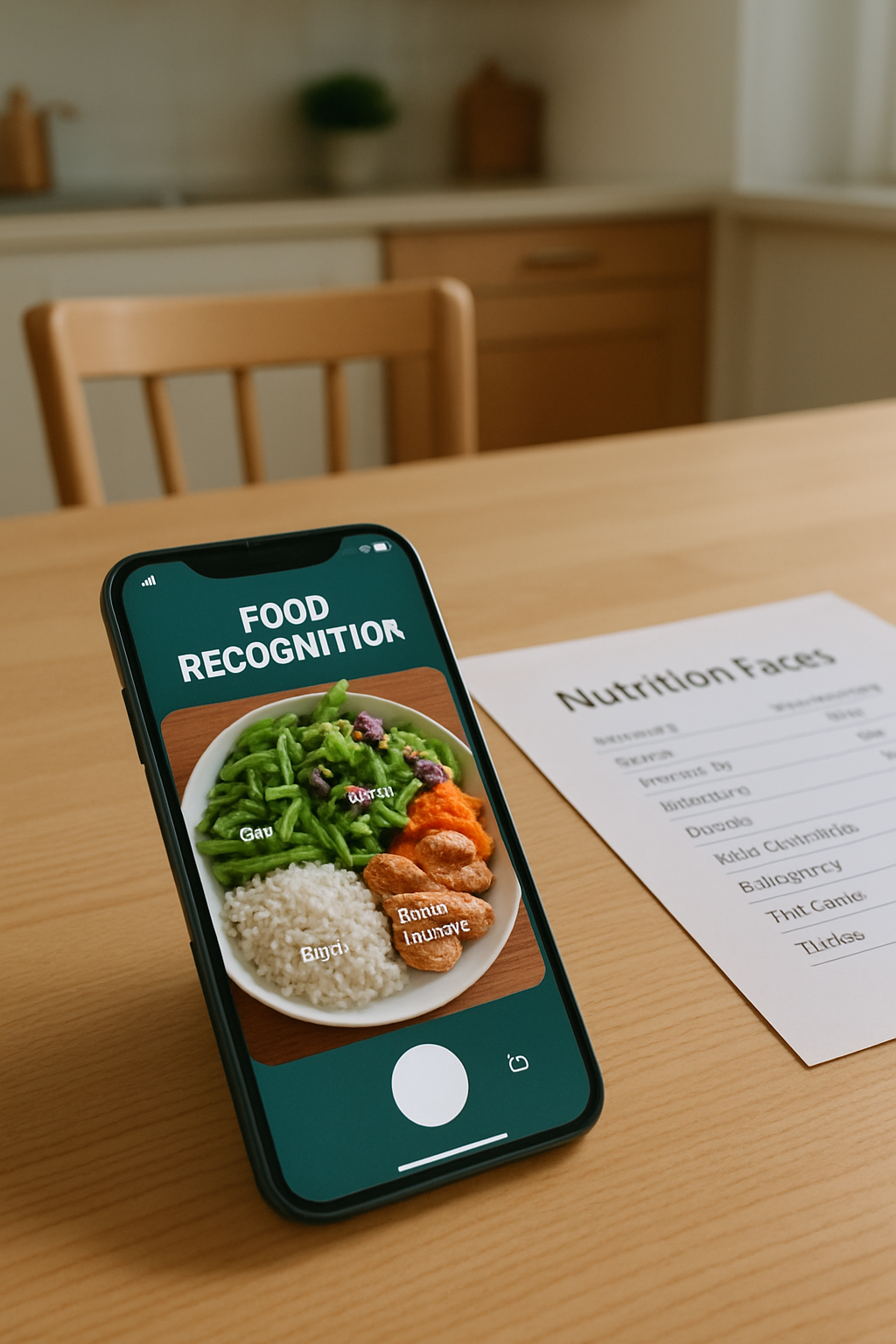
- Core Feature: AI-Powered Smart Food Recognition: The user simply takes a photo of their meal. SnapEat AI's artificial intelligence analyzes the image, automatically identifies the different food items, and estimates their portion sizes—no typing required.
- Key Benefit: Personalized Nutrition Tracking: The app calculates a detailed nutritional breakdown far beyond just calories. It provides deep insights into macronutrients (protein, carbs, fat) and, crucially, micronutrients (vitamins and minerals). This data is essential for identifying the nutritional gaps common in selective diets.
- How It Works: The process is visual and intuitive: Snap. Recognize. Confirm. It transforms the tedious, text-based task of data entry into a quick, stress-free interaction, making it an ideal nutrition tracking solution for autism-related needs.
How SnapEat AI Empowers the Autism Community: A Targeted Approach
This is where SnapEat AI moves from being a helpful app to a truly empowering tool. Its benefits are uniquely aligned with the needs of both autistic individuals and their support systems.
For Individuals with Autism: Fostering Independence
- Reduces Executive Function Demand: Executive functions—like planning, organizing, and task initiation—can be challenging. SnapEat AI bypasses the need for complex data entry. The simple act of taking a photo drastically reduces the cognitive load, making nutrition tracking accessible.
- Promotes Autonomy and Control: By providing a simple, visual way to monitor their own intake, the app gives autistic individuals a tangible sense of control over their health. This fosters independence and builds confidence.
- A Visual Learning Tool: The app provides immediate visual feedback, connecting an image of food with its nutritional content. This helps users understand the impact of their food choices in a concrete, non-abstract way.
For Parents and Caregivers: Easing the Burden
- Effortless and Accurate Monitoring: The 'snap' feature drastically reduces the time and mental energy required to maintain a food log. This helps alleviate the stress associated with managing a loved one's diet and directly combats caregiver burnout.
- Identifies Critical Nutritional Gaps: Is the diet lacking in Iron, Vitamin D, or B12? The detailed reports from SnapEat AI provide clear, actionable data. This objective information is invaluable for making informed decisions about introducing new foods or discussing supplementation.
- Improves Communication with Healthcare Professionals: Instead of relying on memory or handwritten notes, caregivers can present dietitians and doctors with accurate, timestamped reports. This facilitates more productive conversations and leads to better-informed care plans.
- Manages Specialized Diets (e.g., GFCF): For families following protocols like the Gluten-Free, Casein-Free (GFCF diet), SnapEat AI serves as an easy, objective way to track compliance and monitor its effects on overall nutrient intake.
Frequently Asked Questions (FAQ)
- 1. Is a food diary app good for autism?
- Traditional food diary apps can be difficult due to the high executive function demand of manual entry. However, a visual food diary app like SnapEat AI, which uses food recognition from a photo, is ideal as it minimizes cognitive load and makes tracking simple and accessible.
- 2. How can I easily track my autistic child's food intake?
- The easiest way is to use a tool that requires minimal effort. An app that allows you to simply take a picture of the meal removes the need for typing, searching databases, and estimating portions, providing an accurate log in seconds.
- 3. What is the best nutrition app for picky eaters with autism?
- The best app is one that addresses the core challenges: it must be simple, visual, and provide detailed micronutrient data. SnapEat AI is designed for this, helping caregivers identify nutritional gaps caused by picky eating and providing data to help expand the diet safely.
Conclusion: A New Era of Inclusive Nutrition
Navigating nutrition within the autism community requires empathy, patience, and the right tools. For too long, available tools have complicated, rather than accommodated, the unique needs of this community.
SnapEat AI represents a significant step forward. By leveraging smart food recognition, it replaces a stressful, text-heavy task with a simple, visual one. It empowers individuals with autonomy, provides caregivers with peace of mind, and offers healthcare providers the clear data they need to give the best advice. It is a powerful example of how technology can be designed with inclusivity at its core to solve real-world problems.
If you are a caregiver or an individual on the spectrum seeking a better way to manage health, exploring a tool like SnapEat AI could be a transformative next step. As always, discuss its use with your trusted nutritionist or healthcare provider to create a holistic and supportive plan for your wellness journey.