


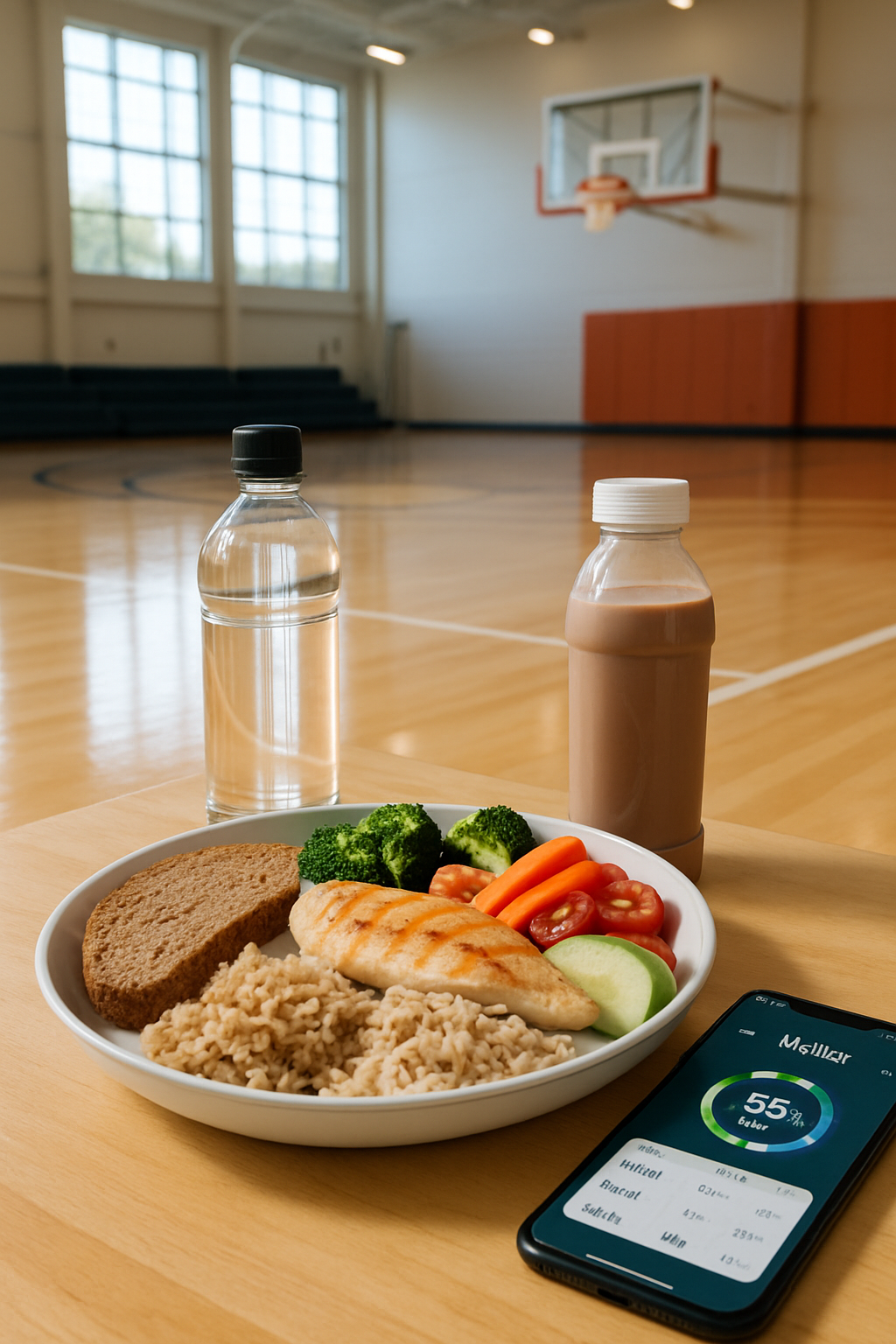
When the Cleveland Cavaliers and Chicago Bulls clash, we see an explosion of athleticism. But behind every gravity-defying dunk and clutch shot is a silent factor: nutrition. The elite performance of these pros is built on a foundation of precise, performance-driven fueling. What if you could apply that same science to your game? Whether you're in a competitive league or a weekend warrior, this guide will show you how to eat like a pro. With the right basketball nutrition plan, you can unlock a new level of performance, and with a tool like SnapEat AI, you have an expert nutrition coach in your pocket.
The Nutritional Demands of Basketball: Fueling High-Intensity Performance
Basketball is a game of explosive movements: sprinting, jumping, and constant changes of direction. This places immense demands on your body. To meet these demands, understanding the core principles of sports nutrition is your first step to unlocking full potential.
Macronutrients: The Big Three for a Big Game
Your performance is powered by three main macronutrients. Getting the balance right is essential.
1. Carbohydrates: Your Primary Fuel Source
Carbohydrates are the high-octane fuel for your body. They are stored as glycogen in your muscles and liver, providing quick energy for high-intensity plays. Without enough carbs, you'll hit the wall and feel fatigued long before the final buzzer.
- Top Sources: Oatmeal, brown rice, quinoa, sweet potatoes, whole-wheat pasta, fruits like bananas and berries.
2. Protein: The Building Block for Muscle and Strength
Every jump and defensive slide creates micro-tears in your muscle fibers. Protein is essential for repairing this damage, building stronger muscles, and ensuring you recover effectively to come back stronger for the next game.
- Top Sources: Grilled chicken, fish, lean beef, eggs, Greek yogurt, lentils, tofu, and protein powder.
3. Healthy Fats & Hydration: The Unsung Heroes
Healthy fats provide sustained, long-term energy and are crucial for reducing inflammation and overall health. Hydration, however, is arguably the most critical component. Studies show that even a 2% drop in hydration can significantly impair speed, agility, and decision-making. Don't forget to replenish electrolytes like sodium and potassium lost through sweat, especially during intense games.
- Top Sources of Healthy Fats: Avocado, nuts, seeds, olive oil, and fatty fish like salmon.
Your Gameday Playbook: Pre- & Post-Game Nutrition Strategy
Just like a coach draws up plays, you need a nutritional playbook for game day. Knowing what and when to eat can make all the difference.
What to Eat Before a Basketball Game: The Pre-Game Meal
Your pre-game goal is to top off energy stores without feeling heavy. This is how to improve basketball performance with diet.
- 2-4 Hours Before Tip-Off: Eat a balanced meal rich in complex carbs with a moderate amount of lean protein. Example: Grilled chicken with a side of sweet potato and steamed broccoli.
- 30-60 Minutes Before Tip-Off: If you need a quick boost, have a small, easily digestible carb snack. Example: A banana, a handful of dates, or an energy gel.
The Post-Game Recovery Meal: How to Refuel and Rebuild
The 30-60 minutes after a game are a critical window for recovery. Your body is primed to absorb nutrients to replenish energy and repair muscle.
- The Golden Ratio: Aim for a 3:1 ratio of carbohydrates to protein. Carbs replenish depleted glycogen, while protein kick-starts muscle repair.
- Perfect Post-Game Recovery Meal Examples: A chocolate milk, a smoothie with fruit and protein powder, or Greek yogurt with honey and berries.
Stop Guessing, Start Knowing: Your Personal AI Nutrition Coach
Knowing the 'what' and 'why' of sports nutrition is one thing; applying it consistently is the real challenge. Tracking macros can be tedious, confusing, and time-consuming. That's where SnapEat AI changes the game.
The Game-Changing Solution: SnapEat AI
SnapEat AI is a revolutionary AI nutrition coach app that takes the guesswork out of fueling your body. It simplifies the complex world of nutrition into one easy action: taking a photo of your meal.
- Instant Analysis: Snap a picture of your food, and SnapEat AI instantly analyzes its nutritional content—calories, protein, carbs, and fats. No more manual logging.
- Personalized Targets: The app provides personalized macro targets based on your activity level and goals, telling you exactly what you need to perform your best.
- Smart Feedback: Unsure if your pre-game meal is optimized? Snap it. The app gives you instant feedback to help you make smarter choices.
- Effortless Tracking: It effortlessly tracks your daily intake, helping you stay consistent and accountable to turn your nutritional goals into on-court achievements.
Frequently Asked Questions About Basketball Nutrition
- 1. What should a basketball player eat in a day?
- A basketball player's daily diet should consist of 3 balanced meals and 2-3 snacks. Each meal should include lean protein, complex carbohydrates, and healthy fats. Focus on whole foods and tailor portion sizes to training intensity.
- 2. How much water should I drink for basketball?
- Aim for at least 3-4 liters of water throughout the day. Drink 500ml (about 17oz) 2 hours before a game and continue sipping during the game. Monitor your urine color; it should be light yellow.
- 3. Is it bad to eat junk food as an athlete?
- While not ideal, an 80/20 approach (80% clean eating, 20% treats) is sustainable. Occasional junk food won't ruin your performance, but consistent poor choices will hinder your energy, recovery, and overall health.
Conclusion: Own Your Performance Beyond the Court
Elite performance is fueled by a commitment to excellence that extends to the plate. Smart basketball nutrition isn’t just for the pros—it’s for anyone who wants to be faster, stronger, and more dominant on the court. Stop guessing and start knowing. Stop tracking and start training smarter. Download SnapEat AI today and discover what it feels like to fuel your game with the precision of a professional. Your ultimate performance is just a snap away.