


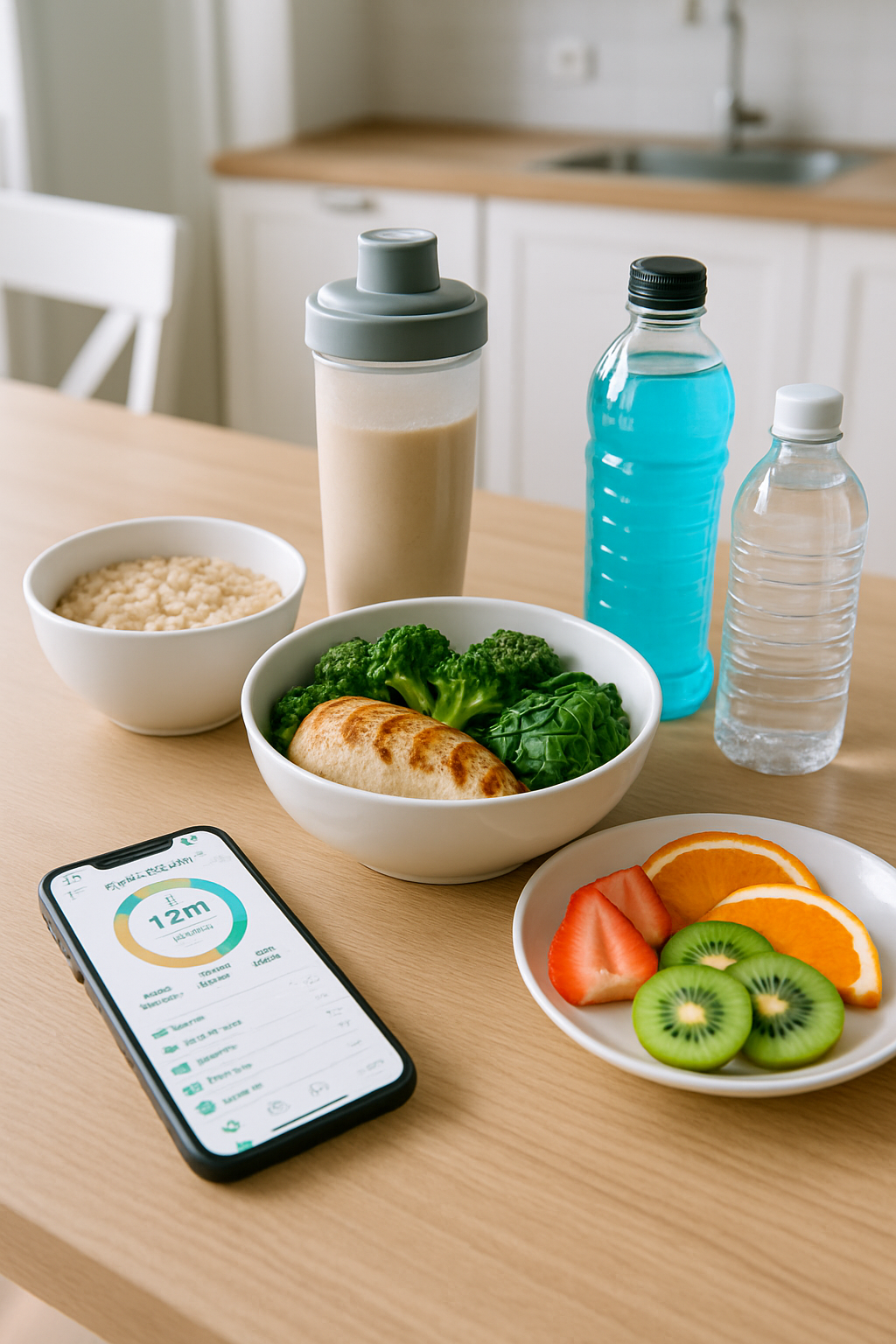
The Unseen Opponent: Nutritional Demands of Elite Basketball
A high-level basketball player's body is a high-performance engine requiring premium fuel. The physical demands of daily practices, strength training, and intense games are immense, burning over 1,000 calories in a single match. Understanding this is the first step in crafting a championship-level basketball player diet.
Energy for a Full 40 Minutes: Carbohydrates
Your body's primary fuel source is carbohydrates, stored as glycogen in your muscles. A diet rich in complex carbs like oats, brown rice, and sweet potatoes keeps these stores full, providing sustained energy from the opening whistle to the final buzzer. Without enough, you'll hit a wall in the second half.
Power and Repair: The Role of Protein
Every explosive jump and quick cut creates micro-tears in your muscles. Protein is essential for repairing this damage and building stronger, more resilient muscle tissue. Lean sources such as chicken, fish, tofu, and legumes are a cornerstone of effective muscle recovery and peak athletic performance.
Peak Performance and Cramp Prevention: Hydration
Losing as little as 2% of your body weight through sweat can significantly impair performance, affecting speed, focus, and coordination. Proper hydration, which includes maintaining electrolyte balance with sodium and potassium, is critical to preventing cramps and staying mentally sharp under pressure.
Your Game Day Nutrition Playbook
What an athlete eats on game day can be the difference between a good performance and a great one. This is performance nutrition at its most critical. Follow this timeline for optimal fueling.
- Pre-Game Meal (3-4 Hours Before): The ideal pre-game meal is high in complex carbohydrates, moderate in lean protein, and low in fat and fiber for easy digestion. Think grilled chicken with quinoa and steamed vegetables, not a greasy burger and fries.
- Halftime Refueling (During the Break): The break is a quick chance to top off the tank. Easily digestible simple carbohydrates are key. A sports drink, a banana, or a handful of pretzels can quickly replenish energy for a strong second-half push.
- Post-Game Recovery (30-60 Minutes After): This is your crucial window. A post-game recovery meal should have a 3:1 ratio of carbs to protein. This combo rapidly replenishes glycogen and kickstarts muscle repair. A protein shake with a piece of fruit or chocolate milk are classic, effective choices.
The Modern Athlete's Challenge: Consistency is Everything
Knowing what to eat is one thing; doing it consistently is the real challenge, especially with the demands of nutrition for college athletes. Between classes, travel, and practice, who has time to weigh food and log every calorie? This is where even disciplined athletes struggle. Guesswork leads to suboptimal fueling, slower recovery, and a competitive disadvantage.
Enter SnapEat AI: Your Personal Sports Nutrition Coach
Imagine having a world-class sports nutrition coach in your pocket, available 24/7. That's the power of SnapEat AI. This revolutionary app removes the friction and guesswork from fueling your body for peak performance, acting as the ultimate AI nutrition tracker for athletes.
- Effortless Tracking: Forget manual data entry. Simply snap a photo of your meal, and our advanced AI instantly analyzes the food, providing a detailed breakdown of calories, macronutrients, and micronutrients.
- Personalized Insights: SnapEat AI learns your goals, activity level, and body's needs. It doesn't just show you what you ate; it shows if you're hitting your targets for energy, protein for recovery, and essential nutrients for game day nutrition.
- Real-Time Adjustments: Had an extra-long practice? SnapEat AI will suggest adjustments to your post-workout meal to optimize recovery. Feeling sluggish? It helps you identify gaps in your fueling strategy before they impact your game.
For any serious athlete, this tool is not a luxury; it's a necessity for maintaining a competitive edge.
Frequently Asked Questions (FAQ) for Athletes
What are the worst foods to eat before a game?
Avoid high-fat, greasy, and high-fiber foods. Things like fried food, heavy cream sauces, and large amounts of raw vegetables can cause digestive distress and slow you down on the court.
How much water should an athlete drink?
Aim for at least 2-3 liters per day as a baseline, and more on training or game days. A good rule of thumb is to drink enough to keep your urine a pale yellow color. Don't wait until you're thirsty to hydrate.
Can SnapEat AI work with my team's dietitian?
Absolutely. SnapEat AI is the perfect tool to ensure you're following your dietitian's plan. You can easily share your data to show your compliance and get even more tailored advice, bridging the gap between professional guidance and daily execution.
Fuel Your Victory and Dominate the Court
The final score is determined by moments of brilliance, but those moments are built on a foundation of disciplined habits. Nutrition is a primary pillar of modern athletic training. Stop guessing and start fueling with intention. Take control of your performance by giving your body exactly what it needs to win.
Ready to unlock your inner champion? Download SnapEat AI today and transform your game.