


What is Metabolism and Why It Matters for Fat Loss?
In simple terms, metabolism is the sum of all chemical reactions in your body that convert food into energy. This energy fuels everything you do, from breathing and thinking to running a marathon. Your metabolic rate is the speed at which you burn calories to produce this energy. A higher metabolic rate means you burn more calories throughout the day—even at rest—making it easier to create the calorie deficit needed for fat loss and maintain a healthy weight long-term.
Forget the magic pills and fad diets. This guide will walk you through the science-backed strategies to fire up your body's internal engine, turning it into a more efficient fat-burning machine.
The 3 Core Components of Your Metabolism
Your total daily energy expenditure (TDEE) is made up of three main parts. Understanding them is key to knowing how to boost your metabolism.
1. Basal Metabolic Rate (BMR)
This is the energy your body uses to maintain vital functions like breathing, circulation, and cell production while at complete rest. BMR is the largest piece of the puzzle, accounting for about 60-75% of your daily calorie burn. Increasing your BMR is the holy grail for a faster metabolism.
2. Thermic Effect of Food (TEF)
Your body uses energy to digest, absorb, and process the food you eat. This is TEF, and it accounts for about 10% of your calorie expenditure. Certain foods require more energy to break down, giving you a slight metabolic advantage.
3. Physical Activity
This includes both planned exercise and something called Non-Exercise Activity Thermogenesis (NEAT)—the energy used for everything else, like walking, fidgeting, or doing chores. This is the most variable component of your metabolism and the one you have the most immediate control over.
Nutrition Strategies to Boost Your Metabolism
What you eat has a profound impact on your metabolic rate. Here are the most effective nutritional strategies to increase your metabolism.
1. Prioritize Protein: The King of Macronutrients
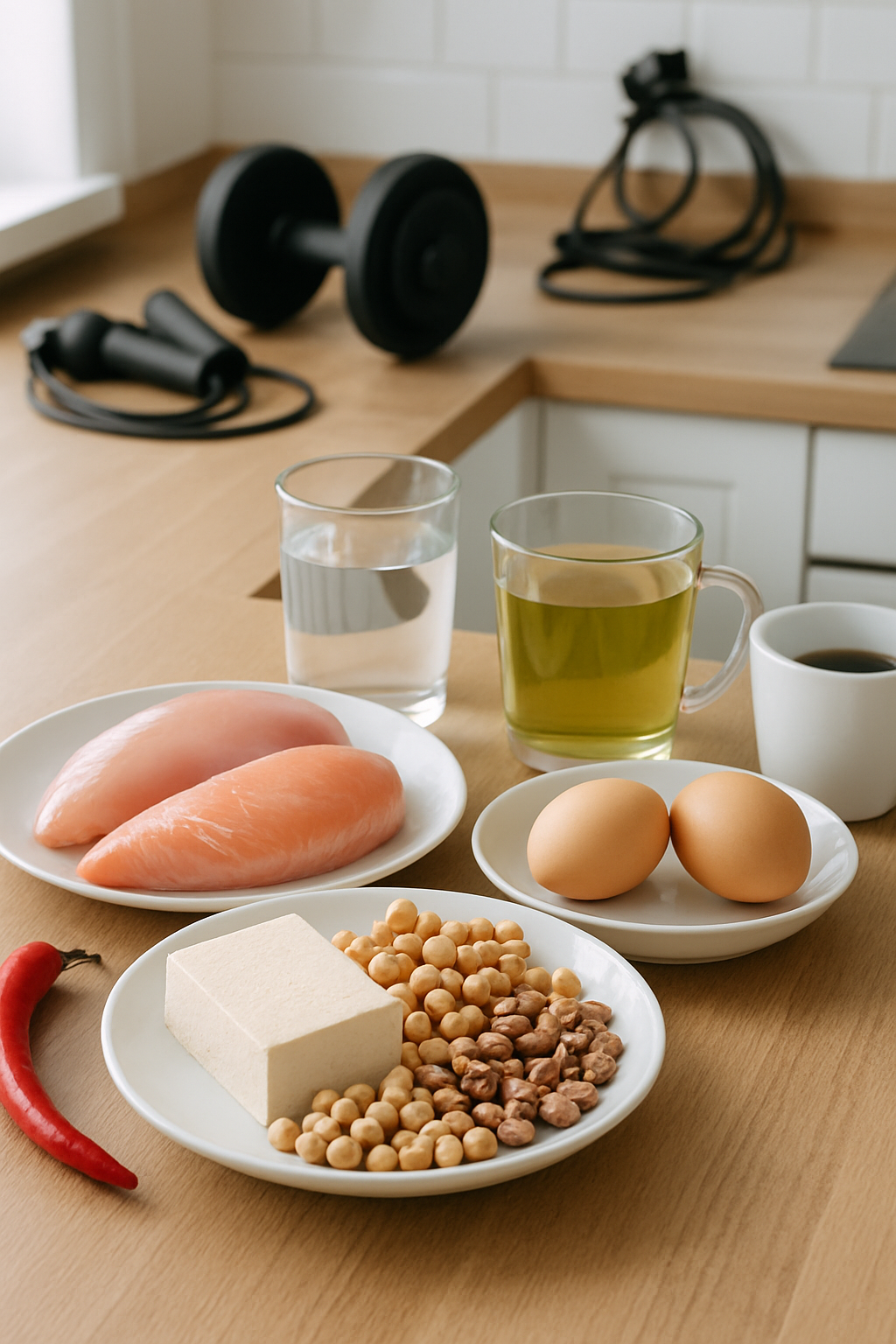
Protein has the highest Thermic Effect of Food (TEF). Your body burns 20-30% of the calories from protein just by digesting it, compared to 5-10% for carbs and 0-3% for fats. Including a source of lean protein like chicken, fish, eggs, tofu, or Greek yogurt in every meal is a simple, powerful way to increase your daily calorie burn.
2. Stay Hydrated for Optimal Metabolic Function
Even mild dehydration can cause your metabolism to slow down. Water is essential for every metabolic process, including burning calories. Aim to drink at least 8-10 glasses of water throughout the day—your needs may be higher depending on your activity level.
3. Use Thermogenic Foods Wisely
While no food is a magic bullet, some can give your metabolism a slight, temporary nudge. The caffeine in coffee and catechins in green tea have been shown to modestly increase metabolic rate for a few hours. Similarly, capsaicin—the compound that gives chili peppers their heat—can provide a small thermogenic boost.
4. Avoid Starvation Mode: The Danger of Extreme Diets
It sounds counterintuitive, but eating too little is one of the worst things you can do for your metabolism. Severe calorie restriction signals to your body that food is scarce, triggering “metabolic adaptation.” Your body becomes more efficient and slows your BMR to conserve energy, making fat loss significantly harder.
Exercise: The Most Powerful Metabolism Booster
If nutrition is the fuel, exercise is the engine that drives your metabolism. Here’s how to exercise to boost your metabolic rate.
1. Strength Training: Build Muscle to Raise Your BMR
This is, without a doubt, the most effective way to permanently increase your metabolism. Muscle tissue is more metabolically active than fat tissue. For every pound of muscle you gain, your body burns more calories at rest, 24/7. This directly raises your BMR. Aim for at least two full-body strength training sessions per week.
2. High-Intensity Interval Training (HIIT): Master the “Afterburn Effect”
HIIT involves short bursts of all-out effort followed by brief recovery periods. It burns significant calories during the workout and also triggers the “afterburn effect,” or Excess Post-exercise Oxygen Consumption (EPOC). This means your metabolic rate remains elevated for hours after you’ve finished exercising.
3. The Hidden Power of NEAT (Non-Exercise Activity)
Don't underestimate the power of small movements. Increasing your Non-Exercise Activity Thermogenesis (NEAT) can have a huge impact. Take the stairs, park farther away, stand up and stretch every hour, or go for a walk during your lunch break. These small activities add up to hundreds of extra calories burned each day.
Key Lifestyle Habits That Control Your Metabolism
Your daily habits outside of the kitchen and gym play a crucial role in regulating your metabolic health.
1. The Critical Role of Sleep
A lack of quality sleep wreaks havoc on your metabolism. It disrupts appetite-regulating hormones (ghrelin and leptin), making you hungrier, and increases the stress hormone cortisol. Prioritize 7-9 hours of quality sleep per night to keep your metabolism running smoothly.
2. Manage Stress to Control Cortisol
Chronic stress leads to elevated levels of cortisol. High cortisol can slow your metabolic rate and encourage your body to store fat, particularly around the abdomen. Find healthy ways to manage stress, such as meditation, yoga, spending time in nature, or engaging in a hobby you love.
Your Sustainable Action Plan for a Faster Metabolism
Boosting your metabolism isn’t about a single hack; it’s about building a holistic lifestyle. Here’s your action plan:
- Eat Protein with Every Meal: Make it a non-negotiable for its high TEF.
- Lift Weights: Aim for 2-3 strength sessions per week to build calorie-burning muscle.
- Add HIIT: Incorporate 1-2 HIIT sessions for the afterburn effect.
- Move More Daily: Consciously increase your NEAT by taking more steps and sitting less.
- Prioritize Sleep: Make getting 7-9 hours of quality sleep a top priority.
- Stay Hydrated: Drink water consistently throughout the day.
Frequently Asked Questions (FAQ) about Metabolism
How long does it take to boost your metabolism?
You can get a temporary boost from a HIIT workout or a spicy meal right away. However, making a significant, lasting impact on your BMR by building muscle takes consistency over several weeks and months. The key is to focus on sustainable habits rather than quick fixes.
What foods kill your metabolism?
No single food “kills” your metabolism, but a diet high in processed foods, sugar, and unhealthy fats can lead to insulin resistance, inflammation, and hormonal imbalances that contribute to a slower metabolic rate over time. Similarly, not eating enough calories (crash dieting) is the fastest way to slow it down.
Can I permanently increase my metabolism?
Yes, to an extent. The most effective way is by increasing your lean muscle mass through consistent strength training. More muscle requires more energy to maintain, which raises your resting metabolic rate (BMR). While metabolism naturally declines with age, an active lifestyle can significantly offset this process.
Does drinking cold water boost metabolism more?
The effect is minimal. Your body does expend a very small number of calories to warm cold water up to body temperature (a process called water-induced thermogenesis). However, the primary benefit of drinking water—cold or not—is proper hydration, which is essential for all metabolic functions. Don't rely on this as a fat loss strategy.