


Why It's So Hard to Break Unhealthy Eating Habits (The Science)
If changing bad eating habits was easy, everyone would do it. The reason it’s so difficult lies in our brain's wiring. Habits are mental shortcuts. When you engage in a habit like stress-eating, your brain's reward system releases dopamine, creating a powerful loop: Trigger (stress) → Routine (eat cookie) → Reward (temporary relief). This cycle is reinforced by:
- Emotional Triggers: We often eat not from hunger, but from stress, boredom, or sadness. Food becomes a coping mechanism, making the habit deeply psychological and hard to break.
- Environmental Cues: The candy bowl at work, fast-food ads, or even your kitchen layout can trigger cravings automatically, without conscious thought.
- The Failure of Willpower Alone: Willpower is a limited resource. Relying on it to fight constant triggers is a losing battle. This leads to a rebound effect: you restrict, burn out, overindulge, and feel guilty, reinforcing the belief that you can't change. Understanding this isn't failure; it's the first step to finding a better strategy.
The Old Way vs. The New: Evolving Your Food Journal
For decades, the go-to tool was a manual food diary. This meant writing down every meal, guessing portion sizes, and searching databases for calories. This old way was tedious, inaccurate, and often fostered an unhealthy obsession with numbers.
The new way is powered by Artificial Intelligence. An advanced AI nutrition app like SnapEat acts as your intelligent, non-judgmental food journaling assistant. It automates the hard parts so you can focus on what matters: awareness and action.
How an AI Nutrition App Transforms Food Journaling
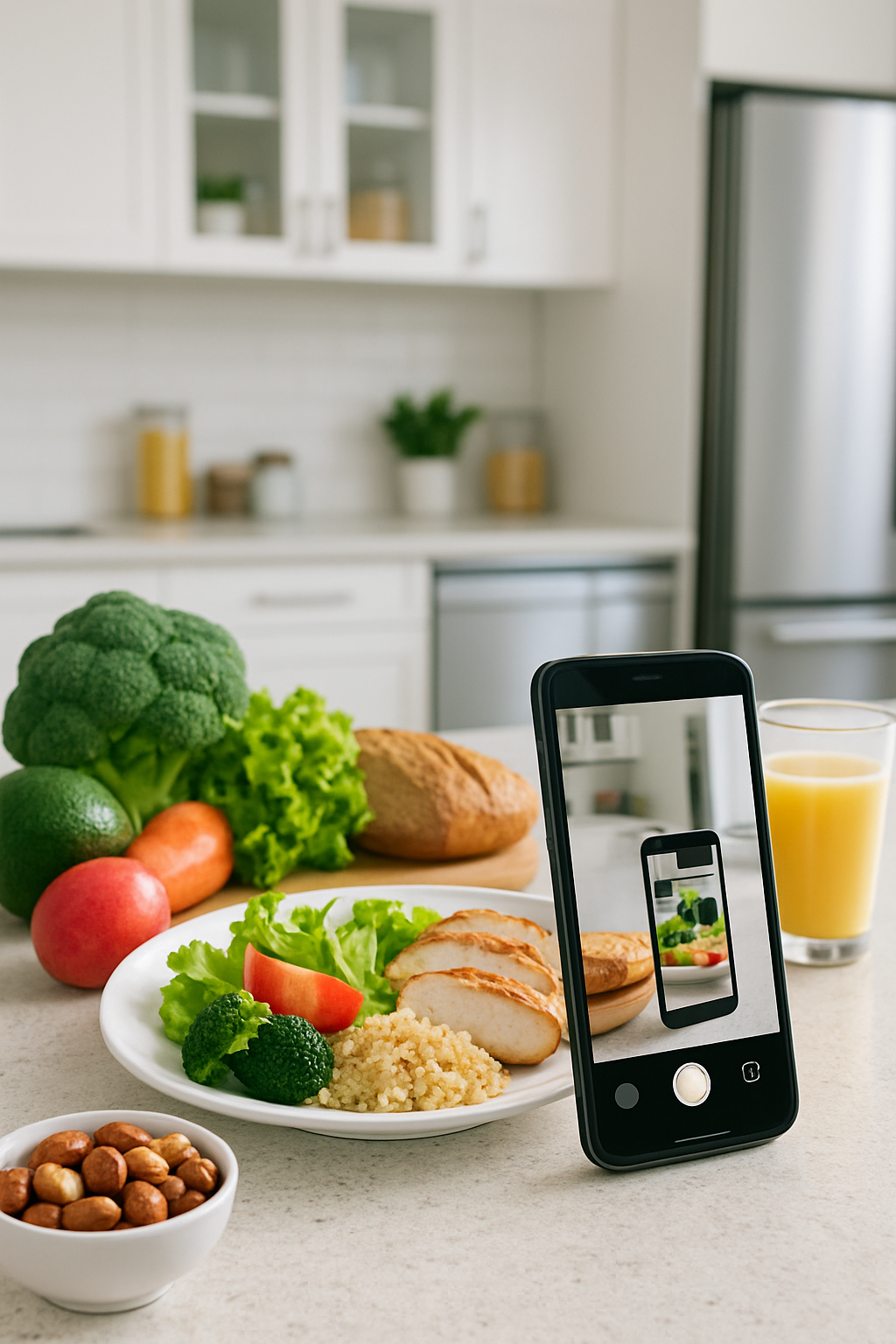
SnapEat AI is built on a simple premise: what if tracking your food was as easy as taking a picture? This small change has a massive impact on your ability to break unhealthy eating habits.
1. Frictionless Tracking Builds Consistency
The biggest barrier to food journaling is the effort. With a photo food diary app, you just snap a picture of your meal. The AI analyzes the image and logs the food automatically. By removing this friction, it becomes incredibly easy to stay consistent, which is the foundation of building new habits.
2. Visual Awareness Creates Mindfulness
Scrolling through a gallery of your meals is a powerful mindful eating exercise. For the first time, you see your choices clearly. This visual record creates a direct connection between what you eat and how you feel, fostering a deep awareness that numbers alone can't provide.
3. Data-Driven Insights, Not Judgment
Behind every photo, SnapEat AI's engine estimates portion sizes and provides a detailed breakdown of calories, protein, carbs, and fats. It turns an image into actionable, objective data. You might discover your 'healthy' salad dressing is adding hundreds of calories, or that you're consistently missing your protein goals. This isn't criticism; it's empowering information.
4. Identify Your Personal Eating Patterns
The true power of using an AI nutrition app unfolds over time. The system helps you spot hidden patterns. Do you always reach for sugary snacks at 3 PM? Are your weekend meals low in nutrients? By highlighting these trends, SnapEat helps you pinpoint the specific triggers behind your habits so you can address the root cause.
A Practical Guide: Using SnapEat AI for Lasting Change
Ready to start your nutrition journey? It's a process of gradual empowerment, not overnight perfection. Follow this simple plan:
- Week 1: The Awareness Phase. Your only goal is to track. Snap a photo of everything you eat and drink without judgment. Don't change a thing. This creates your baseline.
- Week 2: Identify One Small Target. Review your first week's visual diary. What is one small, manageable change you can make? Maybe it's swapping one soda for water or adding vegetables to one meal. This is how you use AI for sustainable health improvements.
- Ongoing: Track, Adjust, and Progress. Continue to track your intake with photos. Notice how that small change impacts your energy and mood. Once it becomes a habit, pick a new small target. This iterative process is the key to building a healthy lifestyle.
Frequently Asked Questions (FAQ)
Is a photo food diary app accurate?
AI food recognition technology has become incredibly advanced. While not 100% perfect, SnapEat AI uses a vast database and sophisticated algorithms to provide highly accurate estimates for calories and macronutrients, especially for complex homemade meals where manual tracking fails.
How is this better than manual calorie counting apps?
The key difference is speed and mindfulness. Manual apps require tedious searching and data entry, which people often abandon. SnapEat AI's photo-first approach takes seconds, ensuring consistency. It also emphasizes a visual, holistic view of your diet over obsessive number-punching.
Will I have to track my food forever?
No, and that's the goal. SnapEat AI is a tool to help you build awareness and develop new, intuitive eating habits. Once you understand your body's needs and have replaced old patterns, you can move beyond constant tracking and enjoy a balanced, healthy relationship with food.
Conclusion: Start Your Empowered Nutrition Journey
Retiring your unhealthy eating habits isn't about harsh deprivation; it's an empowered decision to let go of what no longer serves you. A tool like SnapEat AI makes this process easier and more effective than ever before. It removes the guesswork, banishes the guilt, and provides the clear insights you need to understand your own behavior.
The ultimate goal is to build an intuitive, joyful, and healthy relationship with food. Technology is the bridge to get you there. Take out your phone, snap that first picture, and begin the final, gentle chapter of your old habits. Your new, empowered nutrition journey starts today.