


Is Calorie Counting Worth It? The Benefits, Downsides, and How AI Changes the Game
Calorie counting might seem like a complex nutritional strategy, but it has a much simpler goal: awareness. This method can give you powerful insights for your weight loss journey, but it also has its own set of challenges. While it can be a foundation for a healthier diet, its manual form has notable drawbacks. You can’t go wrong using it to understand your food intake, set weight loss goals, or get a clearer picture of your habits. As for its effectiveness, here’s what you should know.
The Core of Calorie Counting
Calorie counting is a method for tracking your dietary energy intake. According to numerous health studies, a consistent calorie deficit is the fundamental principle behind weight loss. For example, a typical adult aiming for weight loss might target:
- Daily Calorie Goal: 1,500-2,000 kcal
- Protein: 100-150 grams (g)
- Fat: 50-70 g
- Carbohydrates: 150-200 g
Benefits of Calorie Counting
Tracking calories is an effective way to introduce awareness, structure, and flexibility to your nutritional plan.
1. High in Educational Value
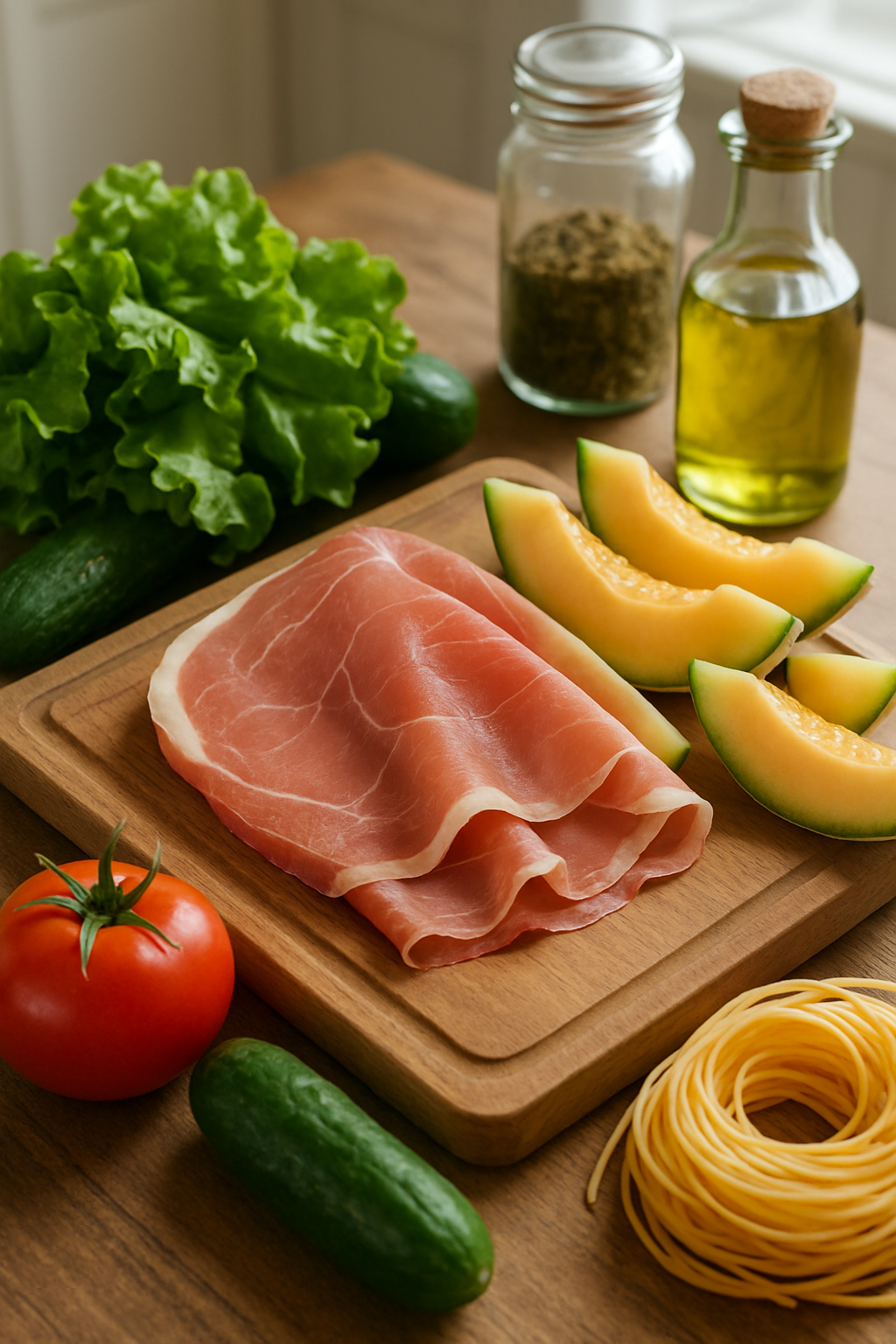
Although you will develop an intuitive sense of nutrition over time, calorie counting acts as a powerful “educator,” as understanding the energy in your food adds critical context to your plate. What’s more, it’s easy to apply this knowledge to any meal where you need more nutritional balance — for example, adjusting your breakfast sandwich, understanding the impact of that cantaloupe for lunch, or building a more balanced pasta salad with vegetables for dinner. “What I love about tracking is that you don’t need to be perfect to learn, so it’s a great way to build awareness and make better choices without it becoming an overwhelming task,” says a leading digital health expert. It's important to understand your diet because it helps your body function optimally, from cell repair to energy production, according to established research. Studies show this awareness also helps you feel more in control and satisfied with your food choices.
2. Provides Proven Structure for Weight Management
Calorie counting offers a clear framework. Your body uses energy (calories) for all its functions, and tracking ensures you’re providing the right amount of fuel for your goals. A lack of awareness can lead to symptoms like weight gain, fatigue, and metabolic changes. Studies have found that conscious tracking also provides a sense of accomplishment, which plays a role in motivation and long-term adherence to a healthier lifestyle.
3. Adds Flexibility to Otherwise Rigid Diets
Calorie counting is uniquely flexible and can help make nutritious foods more appealing by putting them in the context of a daily goal rather than a list of restrictions. “It does have a learning curve, but tracking also provides structure and data along with that great flexibility,” one expert notes. “On the other hand, if you just follow a restrictive diet, that’s all you’re getting.” While nutrition experts often recommend focusing on whole foods, using a flexible method like calorie counting might be helpful to encourage a healthier overall diet. One study found that individuals who followed a flexible dieting approach showed greater long-term success and a healthier relationship with food. If you find healthy eating unappealing, fitting treats into your calorie budget alongside fruits and veggies might help. You may find that because of this balanced approach, you don’t feel the need to binge or abandon your goals.
Downsides of Manual Calorie Counting
While calorie counting has its strengths, its disadvantages are also worth mentioning, especially when done manually.
1. Potential for Inaccuracy and Tediousness
Manual food logging is often cited as a major barrier to success. This is based on the significant effort required to look up each food item, estimate portion sizes, and record it. Any diet plan that has been managed through manual processes like searching databases, weighing food, or guesstimating portion sizes is considered manual tracking. One review of existing studies found that self-reported calorie intake was frequently underreported by as much as 20-30% compared to clinical measurements, with the disclaimer that more user-friendly tools could improve this gap. To make sure your diet is accurately tracked, limit guesstimates in favor of precise tools like a food scale or an AI-powered food recognizer.
2. Contains Mental Overhead
Manual tracking isn’t very efficient, and the mental energy it requires can add up quickly if you have multiple meals and snacks. This cognitive load is known for causing tracking fatigue, which in turn heightens your risk of abandoning your health goals. SnapEat AI has less mental friction than other manual methods. Take, for instance, traditional apps (requiring search), food journaling (requiring writing), or memory-based estimation (highly inaccurate). “The goal is to be lean with your effort,” an efficiency expert says. “If you don’t want to use SnapEat, you can get a simple notebook and pre-plan your meals as much as possible.”
3. High in Potential for Unhealthy Fixation
According to health psychologists, focusing solely on numbers can lead to an unhealthy relationship with food. The daily goal can become an obsession for some. That means with manual tracking, you might ignore hunger cues or nutritional quality. Many people in the U.S. struggle with this, and an overemphasis on numbers is linked to risks of disordered eating. This risk may also rise with a higher focus on perfection. Methods that are rigid and unforgiving are a “probable cause of diet failure,” reports the American Psychological Association. That’s because overly strict systems irritate our natural eating patterns, and over time, this can make a healthy lifestyle feel unsustainable. If you track calories, be aware of your overall well-being and be mindful of how you feel, as this provides the context for the numbers. Since SnapEat AI is an AI coach, you might treat it as a supportive guide rather than a rigid rulebook.
How to Store and Use Your Health Data with SnapEat AI
It’s important to track your food correctly, but there’s no need to do it all by hand. Follow these tips to safely and effectively enjoy your journey.
- Log it right from your plate: It’s okay to log food instantly, since SnapEat AI's food recognition technology prevents the need for manual searching.
- Store it properly: SnapEat AI will keep your progress data fresh for years in the secure cloud and syncs across all your devices.
The Wrap-Up
Calorie counting is a method of dietary tracking you can use to achieve weight loss goals. The strategy provides educational value, structure, and flexibility. However, manual tracking is high in friction and may increase the risk of unhealthy fixation. It’s probably best to use a smart tool like SnapEat AI to streamline the process and support a balanced, healthy lifestyle.