


The Spiritual Foundation of Mindful Eating in Catholicism
The core principles of mindful eating are deeply woven into Catholic tradition. This practice isn't about adopting a new trend; it's about returning to our spiritual roots and living out core virtues in a tangible, daily way.
- Stewardship: We are called to be good stewards of all God’s creation, including our own bodies. Choosing nourishing foods and eating with intention is a direct act of stewardship of the body.
- Temperance: This cardinal virtue guides us toward moderation and balance. In eating, it means enjoying food without falling into excess, listening to our body’s true needs rather than fleeting desires.
- Gratitude: The simple act of saying Grace before a meal is a powerful mindful practice. It is a pause to acknowledge our food as a blessing from God, a gift to be savored with thankfulness.
What is Mindful Eating? Moving from Guilt to Gratitude
Mindful eating is the practice of paying full, non-judgmental attention to the experience of eating. It’s the direct opposite of mindless eating—finishing a bag of chips while watching TV without realizing it, or eating lunch at your desk while distracted by emails. By embracing this practice, you can unlock transformative benefits for your holistic health:
- Tune into Your Body: Learn to recognize the subtle signals of true physical hunger versus emotional cravings, and know when you are comfortably full.
- Improve Digestion: Eating slowly and chewing thoroughly aids the digestive process, reducing common issues like bloating and discomfort.
- Heal Your Relationship with Food: Mindful eating removes the labels of "good" and "bad" foods. It fosters an attitude of curiosity and self-compassion, helping to break cycles of guilt and restrictive dieting.
- Reduce Mealtime Stress: Transform meals from a source of anxiety into a peaceful pause, allowing you to recenter during a busy day.
SnapEat AI: A Modern Tool for an Ancient Practice
How can a phone app support a spiritual practice? Think of SnapEat AI not as a distraction, but as a tool for intention. As a simple, photo-based food journaling app, it is uniquely designed to complement a mindful eating journey without the obsession of traditional tracking.
Fostering Mindfulness, Not Obsession
Here’s how this unique AI food tracker supports your practice:
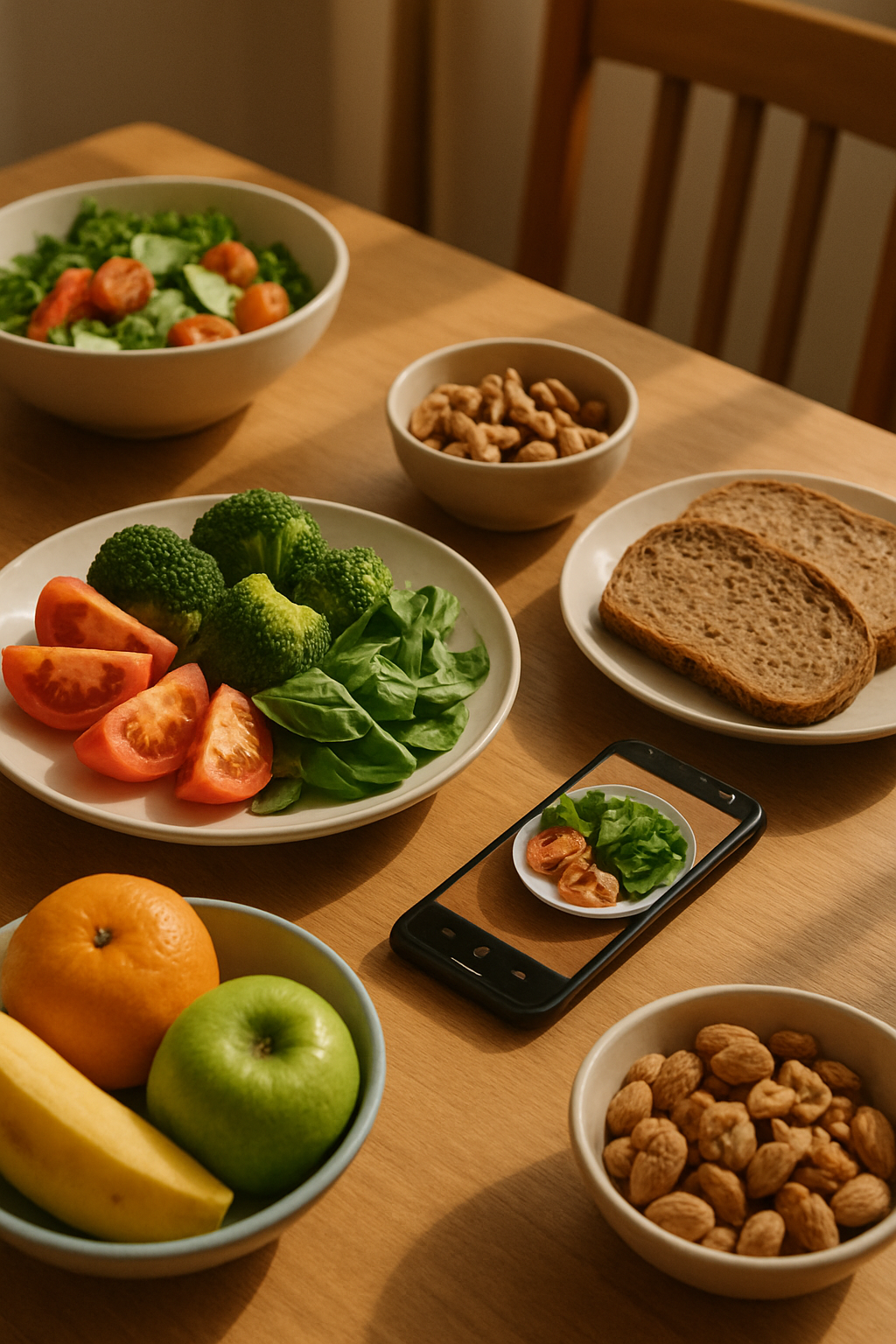
- The Intentional Pause: Before you eat, the act of taking a photo creates a deliberate pause. This moment is a perfect opportunity to say Grace, look at your food, and set an intention for nourishment.
- Visual Awareness: Your SnapEat AI log becomes a visual diary. Instead of fixating on numbers, you can reflect on the images: "Am I eating a variety of colors?" "How did that meal make my body feel?" "I see a pattern of afternoon snacking; was I truly hungry or just bored?"
- Objective, Gentle Feedback: The AI provides nutritional insights without the tedious work of manual entry. This data is simply information, not judgment. It can help you see where you might add more protein or fiber with a sense of gentle curiosity, not criticism.
A 5-Step Guide to Faith-Based Mindful Eating with SnapEat AI
Ready to begin? Here is a simple, five-step guide to blend faith, mindfulness, and technology for a healthier life.
- Begin with Prayer: Start each meal with Grace. Thank God for the food and ask for the wisdom to nourish the body He gave you.
- Create a Moment of Intention: Open SnapEat AI and take a quick photo. See this not as a chore, but as the official start of your mindful meal—your commitment to being present.
- Engage All Senses: Put your phone away. Notice the colors on your plate. Inhale the aromas. As you take a bite, chew slowly and savor the unique flavors and textures.
- Listen to Your Body: Pay attention to your body’s fullness signals. The goal is to feel satisfied and energized, not overly stuffed. Remember, the virtue of temperance is about "just enough."
- Review with Compassion: Once a day or week, scroll through your visual food journal. Approach it with kindness, not criticism. Use the insights to make small, positive adjustments that honor your health and well-being.
Frequently Asked Questions (FAQ)
- Is this a Catholic diet for weight loss?
- While a healthier relationship with food can lead to a healthier weight, the primary goal of Catholic wellness and mindful eating is not weight loss. The focus is on stewardship, gratitude, and holistic health—nurturing your mind, body, and soul in harmony.
- How is SnapEat AI different from calorie-counting apps like MyFitnessPal?
- Calorie counters focus on numbers, which can sometimes lead to obsession and guilt. SnapEat AI focuses on visual awareness and patterns. By simply taking a photo, you build mindfulness without the tedious and often stressful task of manual data entry, making it a better tool for this specific practice.
- Do I have to be Catholic to benefit from this practice?
- Not at all. While this article frames the practice within Catholic tradition, the principles of mindful eating—gratitude, intention, and listening to your body—are universal. Anyone looking for a more meaningful and less stressful approach to food and health will find value in this guide.
Conclusion: Nurture Your Temple for a Holistically Healthier You
Catholic wellness calls us to an integrated life where our physical habits reflect our spiritual beliefs. By embracing mindful eating, we answer that call with every meal, practicing stewardship, temperance, and gratitude in a way that truly nourishes the temple of our body. In our modern world, tools like SnapEat AI can be a wonderful companion on this journey, helping us build the awareness and intention we need to succeed.
Ready to nourish your temple? Start your journey of faith-based mindful eating today. Your path to a spiritually and physically healthier you begins with the next meal.