


The Hidden Health Toll: How a Crisis Impacts Your Body and Mind
When your world is shaken, your body reacts in ways you might not even notice at first. Understanding these physiological responses is the first step toward managing the health impact of the Cleveland meteor. A crisis event triggers a flood of the stress hormone, cortisol. While useful for 'fight or flight,' chronically high cortisol leads to increased inflammation, suppressed immunity, and powerful cravings for high-sugar, high-fat 'comfort' foods. It’s your body’s primitive way of storing energy for a perceived threat.
The Rise of Stress and Emotional Eating
With normal schedules gone, it's easy to rely on convenience foods, leading to a diet high in processed carbs and low in essential nutrients. This disruption is often coupled with emotional eating, where food is used not for hunger, but to soothe difficult emotions like anxiety and fear. Recognizing this pattern is the key to addressing it.
Why Nutrition is Your Anchor in the Storm
It might feel like what you eat is the last thing to worry about, but it’s actually one of the most critical. Think of good nutrition as the foundation supporting your mental and physical resilience. During stress, your body burns through micronutrients at an accelerated rate. Key players like B vitamins (for energy), magnesium (for calming the nervous system), and Vitamin C (for adrenal support) become depleted. A nutrient-dense diet helps replenish these stores.
The Gut-Brain Connection: Fueling Mental Clarity
The gut-brain connection is a biological reality: the food you eat directly influences your mood and focus. A diet rich in fiber, healthy fats, and antioxidants supports a healthy gut microbiome, which in turn helps stabilize your mood—something desperately needed when navigating a new reality in Cleveland.
Regain Control with SnapEat AI: Your Personal Health Tracker
Feeling overwhelmed? You don't have to navigate this alone. This is where an AI nutrition tracker can be a powerful ally. SnapEat AI is designed for simplicity in a complex world, helping you to track health effortlessly.
- Clarity in Chaos: Simply snap a photo of your meal. The AI analyzes the ingredients and estimates the nutritional content (calories, protein, carbs, fats). It's a food journal without the tedious typing.
- See the Invisible Patterns: After a few days, you’ll have a visual diary. You might notice, "I've been stress-eating cookies every night," or "I haven't had a single vegetable in two days." This awareness is the first and most crucial step toward change.
- From Data to Action: SnapEat AI provides insights into your eating habits, empowering you to make small, manageable adjustments. Seeing the link between an afternoon slump and your lunch can be a powerful motivator. Ready to regain control? Download SnapEat AI today and take the first step.
Practical Nutrition Strategies for Crisis Management
Whether you are in Cleveland, Ohio, or facing any life disruption, here are actionable strategies to support your body and mind. Focus on building resilience from the inside out.
Prioritize the “Big 3”: Protein, Fiber, and Healthy Fats
These nutrients are your best friends for stabilizing blood sugar, keeping you full, and providing sustained energy.
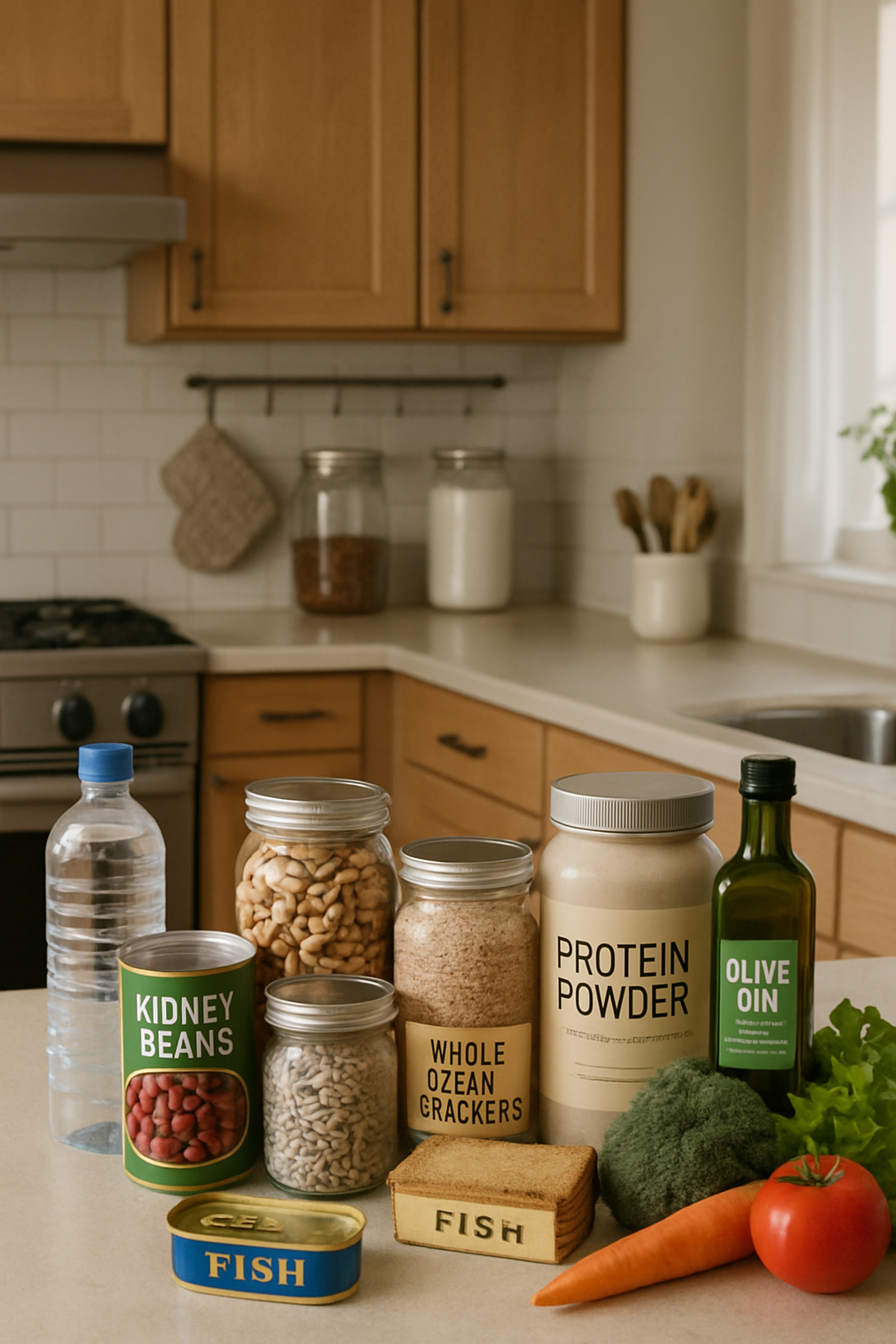
- Easy-Access Protein: Canned tuna or salmon, jerky, Greek yogurt, hard-boiled eggs, canned beans and lentils.
- Fiber Powerhouses: Oats, apples, bananas, pre-cut vegetables, whole-grain crackers.
- Healthy Fats: Nuts, seeds, avocados, olive oil.
Build a Resilient Pantry: A Checklist
You don’t need a doomsday bunker, just a few smart items for your emergency nutrition guide. Stock up on these shelf-stable basics:
- Canned Goods: Beans, lentils, vegetables (low-sodium), and fish (in water).
- Whole Grains: Oats, quinoa, brown rice, and whole-wheat pasta.
- Proteins: Protein powder, nuts, seeds, and nut butters.
- Hydration: Keep bottled water and electrolyte powders on hand.
Frequently Asked Questions (FAQ)
How can I stop stress eating after a disaster?
Acknowledge the feeling without judgment. Before eating, ask yourself if you're truly hungry or seeking comfort. Try a 5-minute activity first: drink a glass of water, stretch, or practice deep breathing. Tracking meals with an app like SnapEat AI can also help you identify triggers.
What foods are best for reducing stress?
Focus on foods rich in magnesium (leafy greens, nuts, seeds), vitamin C (citrus fruits, bell peppers), B vitamins (whole grains, lean meat), and omega-3 fatty acids (salmon, walnuts). These nutrients support your body's stress response system.
Is it worth tracking my food during a crisis?
Absolutely. During chaos, tracking provides structure and awareness. It’s not about perfection, but about ensuring your body gets the basic fuel it needs to stay resilient, boosting your immune system and stabilizing your mood.
Conclusion: From Surviving to Thriving in Cleveland
The meteor that hit Cleveland, Ohio, was an event no one could control. But in its aftermath, you can take small, powerful steps to manage your own well-being. Focusing on nutrition is a fundamental act of self-care. By understanding the health impact of stress and making conscious choices, you give your body the fuel to not just survive, but thrive. Use a tool like SnapEat AI as your partner in this journey. Let it handle the tracking so you can focus on healing, rebuilding, and rediscovering your strength. You’ve got this, Cleveland.