


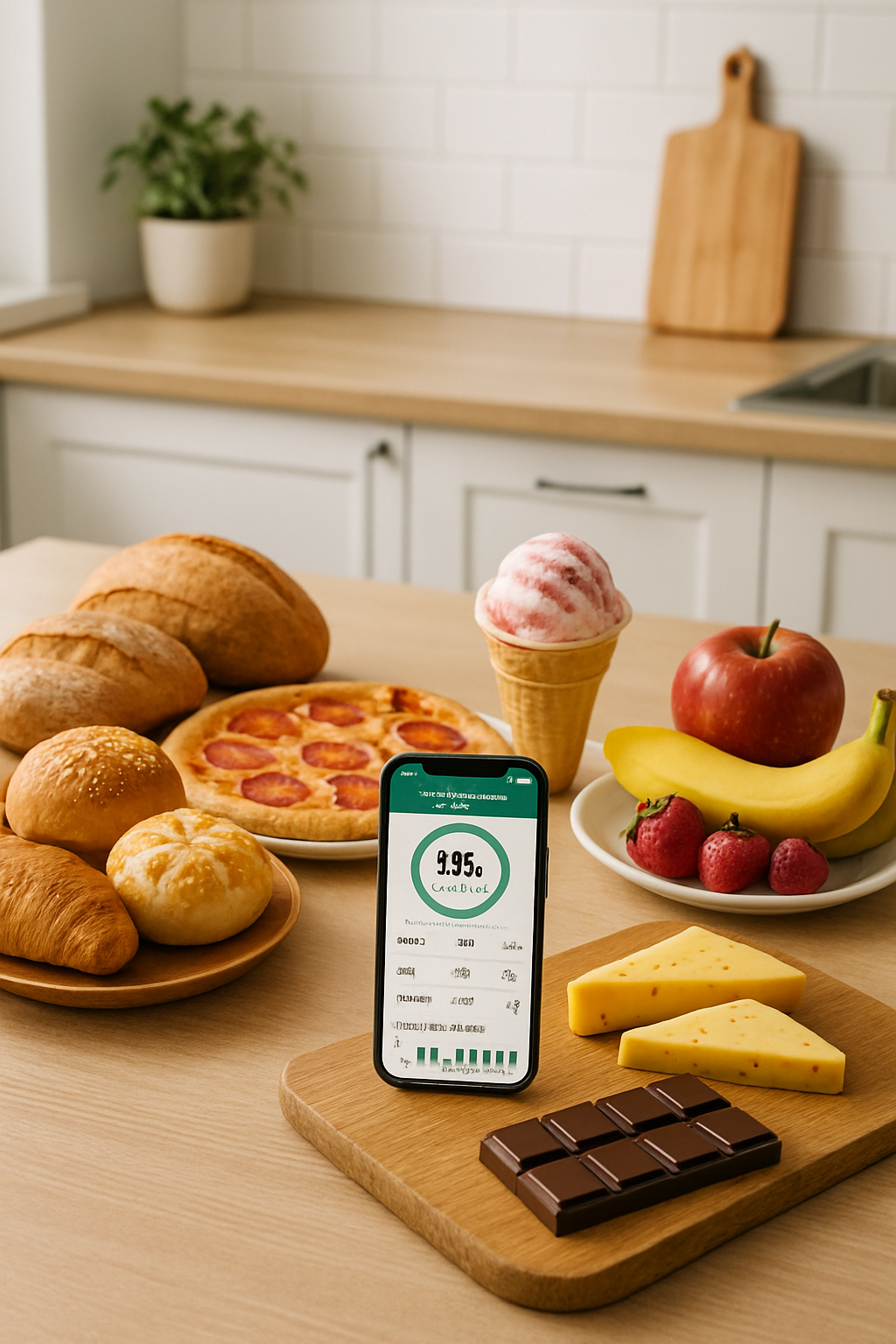
Unmasking Your Food Fears: Why We Label Foods as "Bad"
The idea of "good" versus "bad" foods is one of the most damaging myths perpetuated by modern diet culture. We are constantly told to fear carbohydrates, shun fats, and treat a single cookie like a dietary catastrophe. This black-and-white thinking creates food anxiety and fosters an unhealthy relationship with eating.
As nutrition professionals, we want to set the record straight: no single food is inherently 'evil.' A food's impact on your health is determined by three key factors: portion size, frequency, and overall dietary context.
- Carbohydrates (like bread and pasta) are your body's primary energy source, essential for fueling your brain and muscles.
- Fats (from sources like avocados and nuts) are crucial for hormone production, vitamin absorption, and cellular health.
- Sugar, when consumed in moderation, can absolutely fit into a healthy, balanced lifestyle. Enjoying a piece of cake at a celebration is part of a full life, not a dietary failure.
Overcoming your food fears begins with rejecting these labels and embracing the science of balance.
The #viernes13 Challenge: Your Mission to Understand, Not Judge
Your mission, should you choose to accept it, is simple but powerful:
This Friday the 13th, mindfully and intentionally eat one of the foods you've been taught to fear.
Whether it's a slice of pizza, a scoop of ice cream, or a croissant with your coffee, the objective is not to 'cheat.' The goal is to conduct a personal experiment. You are a scientist on your own health journey, and your objective is to gather data, not guilt. This is where a smart nutrition tracking app becomes your most valuable tool, and SnapEat AI is designed for this exact purpose.
How SnapEat AI Helps You Overcome Food Fear with Facts
Instead of relying on anxiety and guesswork, SnapEat AI provides objective clarity. It is the ultimate tool for this challenge because it systematically replaces fear with facts, helping you build a healthy relationship with food.
1. Get Instant, Unbiased Nutrition Data with a Snap
Fear thrives in the unknown. You might imagine a slice of pizza has a terrifying number of calories. With SnapEat AI, you don't have to guess. Just snap a photo. The app's advanced AI provides a detailed breakdown of its estimated calories, protein, carbs, and fats. This instant nutrition data demystifies the food, and often, the reality is far less scary than your anxiety made it out to be.
2. See How One Meal Fits into Your Balanced Day
One meal does not define your health. After logging your 'feared' food, SnapEat AI allows you to see the bigger picture. You'll visualize how that single item fits into your total daily intake. You might realize that even with the pizza, you are still within your calorie goals or have plenty of room for more nutrient-dense foods. This shifts your mindset from restriction to one of building a balanced diet.
3. Track Your Real Health Progress Beyond Calories
A successful wellness journey is about more than just numbers in a food log; it's about how you feel. SnapEat AI allows you to track your health progress over weeks and months. You can monitor your energy levels, mood, and long-term trends, providing concrete proof that incorporating your favorite foods in moderation doesn't derail your goals. This long-term data is the ultimate evidence that you can enjoy all foods and still be healthy.
Your 5-Step Mindful Eating Guide for the Challenge
Ready to face your fear and build a healthier relationship with food? Follow this simple mindful eating guide.
- Step 1: Identify Your "Feared" Food. Be honest. Is it bread? Cheese? Chocolate? Pick one to focus on for this challenge.
- Step 2: Plan It into a Balanced Day. Don't 'save up' all your calories. Plan to have your challenge food as part of a balanced meal or snack, surrounded by other nutritious choices.
- Step 3: Eat Mindfully and Savor the Experience. Put the food on a plate. Sit down without distractions. Eat slowly. Notice the taste, texture, and aroma. Enjoy it without guilt.
- Step 4: Snap, Log, and Analyze with SnapEat AI. Immediately after eating, open the app, snap your photo, and review the objective nutrition data. See how it fits into your day's plan.
- Step 5: Reflect on Data and Feelings. Look at the numbers. Then, check in with yourself. Did the world end? No. Do you feel satisfied? Acknowledge that you successfully incorporated this food into a balanced day without negative consequences.
Frequently Asked Questions (FAQ) About Food Freedom
Q: Are carbohydrates, fats, or sugar really not 'bad'?
A: Correct. These are macronutrients essential for your body's function. The problem is never the nutrient itself, but the overconsumption of highly processed, low-nutrient sources. Whole-food carbs, healthy fats, and moderate sugar intake are key components of a healthy diet.
Q: How can a nutrition tracking app reduce my food anxiety?
A: Anxiety often stems from a lack of control and fear of the unknown. A nutrition tracking app like SnapEat AI gives you objective data, which replaces fear-based assumptions with facts. Seeing that a 'feared' food can fit into your daily goals provides a sense of control and reduces anxiety over time.
Q: What if I still feel guilty after completing the challenge?
A: That's okay, and it's a normal part of unlearning years of diet culture messaging. The key is to gently redirect your thoughts back to the data. Look at your SnapEat AI log and remind yourself that one meal is just one data point. True progress is about consistency over time, not perfection in a single moment. Repeat the challenge until it feels normal.
Conclusion: From Food Fear to Food Freedom
Your food fears do not have to control you. By challenging them with mindfulness and arming yourself with objective data from a tool like SnapEat AI, you can dismantle them one by one. Knowledge is the antidote to fear, and technology now puts that power directly in your hands.
Join the #viernes13 Challenge. Choose your food, embrace the experience, and take the first concrete step toward food freedom. It's time to stop being scared and start living a healthier, happier, and more balanced life.