


What is the Copenhagen Diet 13-Day Plan?
The Copenhagen Diet, sometimes called the Royal Danish Hospital Diet, is a highly restrictive, 13-day meal plan. It's a Very Low-Calorie Diet (VLCD) that makes a bold promise: lose up to 22 pounds (10 kg) in under two weeks. This rapid result is its main allure.
The rules are notoriously rigid. The Copenhagen Diet 13-day plan dictates exactly what to eat, leaving no room for variation. Anything not on the list is forbidden, including oils, dressings, most fruits, and alcohol.
Sample Daily Meal Plan
| Meal | Typical Food |
|---|---|
| Breakfast | 1 cup of black coffee with 1 sugar cube. |
| Lunch | 2 hard-boiled eggs, 200g cooked spinach, 1 tomato. |
| Dinner | 200g lean steak and a green salad with lemon juice. |
The diet's creators claim that after 13 days, it boosts your metabolism so effectively that you won't regain weight for two years. As nutrition professionals, we find this claim highly questionable.
Pros and Cons of the Copenhagen Diet: A Nutritionist's Review
When considering an extreme diet trend, it's crucial to weigh the perceived benefits against the scientific evidence and potential risks. Here is our professional analysis.
The Perceived Pros:
- Rapid Initial Results: The severe calorie deficit guarantees quick weight loss, which can feel motivating. However, a significant portion of this is water weight and muscle mass, not just fat.
- Simplicity: With a short, defined food list, there's no ambiguity. This removes the guesswork often associated with dieting.
- Short Duration: The "it's only for 13 days" mindset makes the restrictive plan seem psychologically easier to endure than a long-term lifestyle change.
The Critical Cons (The Professional Reality Check):
- Nutritional Inadequacy: This diet is dangerously low in essential fiber, vitamins (like C and B-complex), healthy fats, and minerals. This can lead to serious nutrient deficiencies, impacting everything from your immune system to your energy levels.
- The Inevitable "Yo-Yo" Effect: This is a classic crash diet. It teaches deprivation, not sustainable healthy habits. Once the 13 days end, returning to normal eating patterns often leads to rapid weight regain, a cycle known as the yo-yo effect.
- Severe Side Effects: The extremely low calorie intake is a shock to the system. Common side effects include fatigue, headaches, dizziness, constipation, and extreme irritability. More importantly, you risk significant muscle loss.
- Metabolic Damage: Instead of boosting it, such a drastic calorie cut can trigger your body's survival mode, slowing your metabolism to conserve energy. This makes future weight management more difficult. Health bodies like the UK's NHS consistently warn against the risks of VLCDs without medical supervision.
Why Restrictive Diets Fail (And How to Succeed)
Beyond the health risks, the practical challenge of sticking to a plan like the Copenhagen Diet is immense. Meticulously tracking portions, fighting off hunger and low energy, and worrying if you're doing it 'right' leads most people to abandon the effort. This is where modern technology can offer a smarter path forward, not by endorsing the crash diet, but by providing the tools for awareness and a healthy transition.
SnapEat AI: Your AI Nutrition Coach for Any Diet Plan
Instead of blindly following a restrictive plan, you can use a smart food tracking app to understand its true impact. SnapEat AI is more than a calorie counter; it's an AI nutrition coach designed to empower you with data-driven insights.
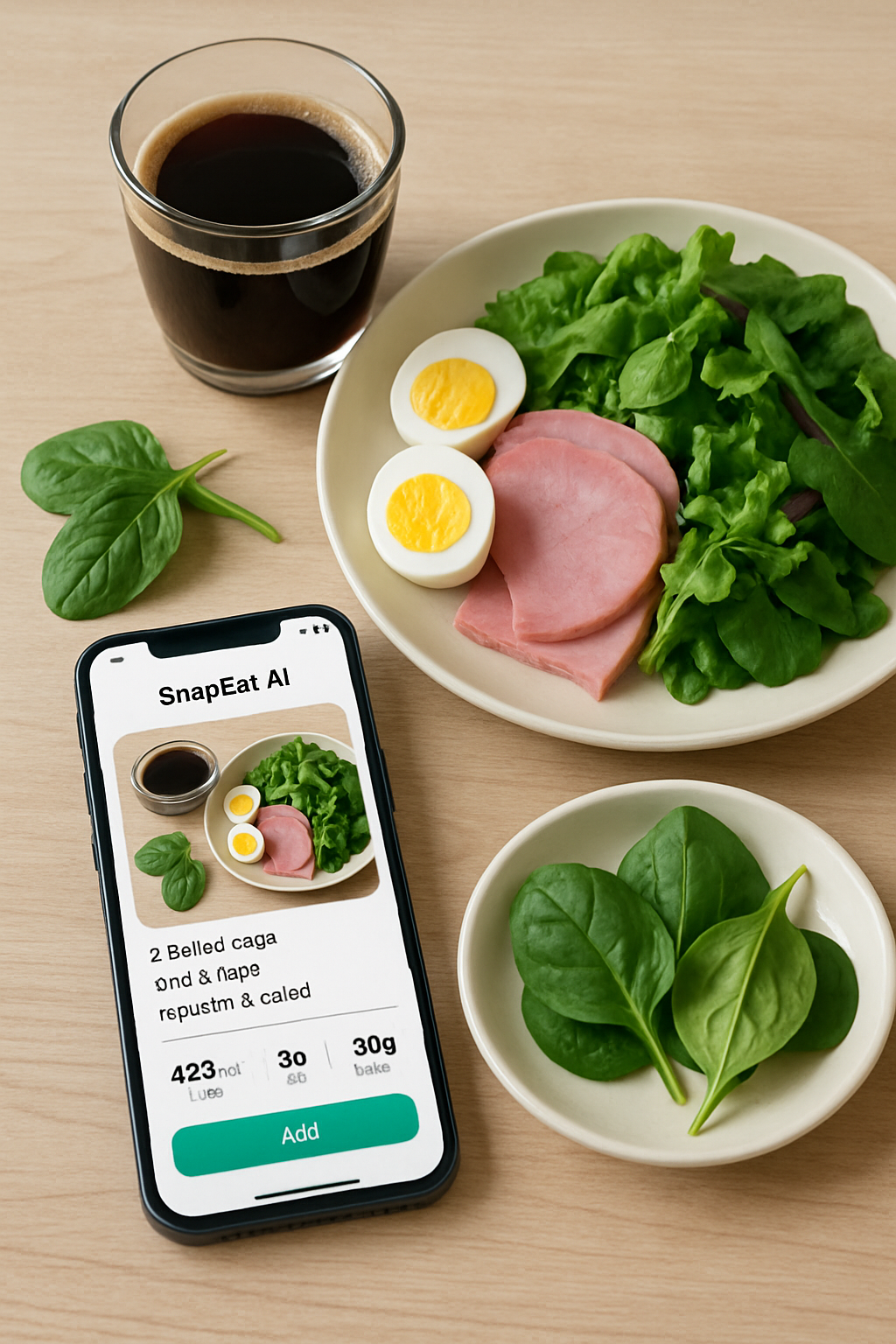
- Effortless Tracking with a Snap: Forget tedious manual logging. Simply take a photo of your meal—be it the prescribed steak or a post-diet balanced meal—and SnapEat AI's image recognition technology logs it instantly and accurately.
- Reveal the Nutritional Truth: This is where the power lies. SnapEat AI provides a detailed nutritional analysis, breaking down macros (protein, carbs, fat) and key micronutrients. You can see in real-time the nutritional gaps of the Copenhagen Diet, turning it into a powerful learning experience about what your body is missing.
- Personalized Guidance: The app acts as your personal coach. It helps you monitor your intake against health goals, showing you where you're succeeding and what you need to adjust. This data helps you understand the *why* behind nutrition.
- Support for a Sustainable Future: The true value of SnapEat AI is in building long-term health. Use it to transition away from the crash diet to a balanced eating plan. Set new goals for fiber, protein, and vitamins, and use the simple photo-logging to create varied, nourishing meals that you can maintain for life.
Frequently Asked Questions (FAQ) about the Copenhagen Diet
Is the Copenhagen Diet safe?
For most people, no. As a Very Low-Calorie Diet (VLCD), it lacks essential nutrients and can cause side effects like fatigue, dizziness, and muscle loss. It is not a safe or sustainable method for weight loss and should not be undertaken without consulting a doctor.
How much weight can you really lose on the Copenhagen Diet?
While some people report losing 10-20 pounds, a large portion of this is water weight and lean muscle mass, not fat. This loss is typically regained quickly once the diet is over.
What is a better alternative to the Copenhagen Diet?
A better alternative is a balanced, whole-foods diet focused on a moderate calorie deficit. Prioritize lean proteins, complex carbohydrates, healthy fats, and plenty of fruits and vegetables. The goal should be building sustainable, long-term healthy eating habits, not a short-term fix.
Conclusion: From a 13-Day Trend to a Lifelong Healthy Habit
The Copenhagen Diet is an extreme and outdated approach to weight loss. It promises a quick fix but ignores the fundamentals of health, risking metabolic damage and nutrient deficiencies for temporary results.
The future of effective nutrition management lies in building awareness and consistency. Tools like SnapEat AI are pivotal in this shift. They empower you to understand the food you eat, see its nutritional impact, and receive the guidance needed to transform fleeting diet goals into lasting, healthy habits.
Instead of chasing the next viral diet trend, invest in your long-term well-being. Arm yourself with knowledge, embrace smart technology, and start building a healthy lifestyle that truly nourishes you. Ready to build smarter eating habits? See how SnapEat AI can be your personal nutrition coach today.