


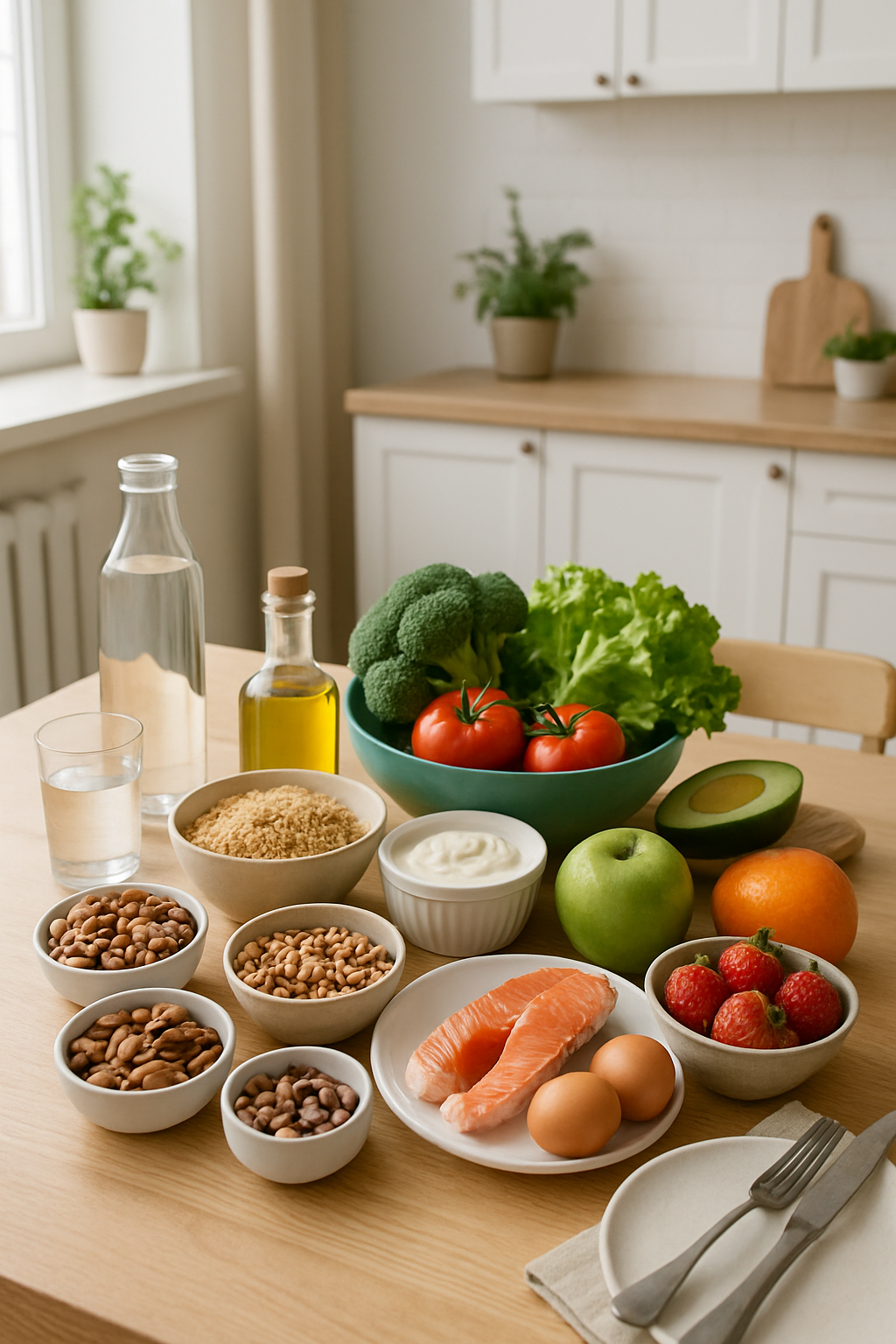
How to Achieve Healthy Weight Loss
1. Track Your Hydration
Proper hydration is fundamental to good nutrition. While you can survive for weeks without food, you can only last a few days without water. It's also one of the simplest yet most powerful habits, as studies show that increasing your daily water intake can aid in weight loss. Start your day with a large glass of water and use the SnapEat AI app to log your consumption throughout the day, ensuring you meet your hydration goals.
2. Prioritize Breakfast
Eating a balanced breakfast is linked to making healthier food choices throughout the day and helps stabilize your metabolism and blood sugar. Both are crucial for effective weight loss. Make smart choices—avoid refined carbs and include a source of protein, like an egg. Snap a picture with SnapEat AI to see the nutritional breakdown and start your day right.
3. Delay Coffee Until After Your First Meal
Consuming coffee on an empty stomach can spike cortisol and blood sugar, negatively impacting your energy and metabolism. However, a cup of black coffee after breakfast can help slow glucose production, which may result in the formation of fewer fat cells. Log your coffee along with your meal in SnapEat AI to monitor its timing and effects.
4. Include Protein in Every Meal
Protein (from sources like eggs, meat, dairy, nuts, and legumes) takes longer for the body to convert into glucose compared to simple carbs. Including protein with every meal helps maintain stable blood sugar, enhances satiety, and reduces cravings. This naturally leads to consuming fewer calories, supporting your weight loss goals. Use SnapEat AI to ensure you're meeting your daily protein targets.
5. Practice Mindful Chewing
Chewing is the first step of digestion, yet we often rush through meals. Eating too quickly strains your digestive system and prevents your brain from registering fullness, leading to overeating. Practice eating in a calm environment, away from screens, and savor each bite. This mindful approach complements the data you track in SnapEat AI.
6. Incorporate More Healthy Fats
Although fats are more calorie-dense, healthy fats from nuts, seeds, oily fish, olive oil, and avocado can curb sugar cravings and increase satisfaction, aiding in sustainable weight loss. SnapEat AI helps you distinguish between different types of fats and track your intake to ensure you're getting enough of the good kind.
7. Use Cutlery for All Meals
Eating with a knife and fork, rather than your hands, naturally slows down your eating pace. This increased attention to the act of eating makes you more likely to recognize satiety cues and eat less. Put your cutlery down between bites to further slow your pace.
8. Avoid Eating at Your Desk or in Front of the TV
Your brain can't fully process what you're eating while you're distracted by work or entertainment. Mindless eating often leads to overconsumption and feeling hungry again soon after, as your brain misses the signals of fullness. Step away from distractions to eat, and then log your meal with a quick snap.
9. Don’t Skip Meals
It's a common misconception that eating less by skipping meals aids weight loss. In reality, it often causes your blood sugar to drop, leading to intense hunger ('hangry' feelings) and overeating at your next meal. Use SnapEat AI to plan and track regular, balanced meals to keep your energy stable.
10. Take a Walk After Eating
A brisk 30-minute walk shortly after lunch or dinner can lead to greater weight loss for some individuals compared to walking an hour after a meal. Sync your fitness tracker with SnapEat AI to see how post-meal activity impacts your daily energy balance.
11. Maintain a 12-Hour Fasting Window
Giving your digestive system a break is beneficial for your health and weight. Aim for a natural 12-hour fast between your last meal of the day and your first meal of the next. For instance, if you finish dinner by 8 p.m., have your breakfast at 8 a.m. the following day. Track your meal times in SnapEat AI to maintain consistency.
12. Opt for Whole Foods
In a busy world, processed foods are convenient but often lack fiber and nutrients while being high in calories, salt, and sugar. Choosing whole foods over pre-packaged options helps you stay full and nourished, reducing the likelihood of overeating. Use SnapEat AI to identify the nutritional value of your whole-food meals.
13. Reduce Artificial Sweeteners
Products labeled 'no added sugar' often contain artificial sweeteners. Research suggests these can keep your sweet cravings alive, disrupt hunger signals, and may lead you to eat more overall. Scan product barcodes with SnapEat AI to uncover hidden sweeteners in your food.
14. Ask Yourself: 'Why Am I Eating?'
Stress, fatigue, or sadness can trigger emotional eating even when you're not physically hungry. If you find yourself reaching for food after a meal, pause and question your motive. Perhaps a non-food alternative like a warm bath, an early night, or a call with a friend could be more beneficial.
15. Practice Daily Meditation
Meditation offers significant benefits for weight loss. A daily practice can reduce stress and anxiety, helping you avoid using food for comfort. It also enhances self-awareness, allowing you to recognize and change unhelpful eating habits in a non-judgmental way.
16. Fill Up on Fiber
Fiber is your friend for feeling full. A diet rich in fiber from fruits, vegetables, whole grains, beans, and lentils promotes greater satiety. Feeling fuller for longer helps you consume fewer calories throughout the day. Track your fiber intake with SnapEat AI to ensure you're getting enough.
17. Visualize Your Portions
Managing portion size is a major hurdle in weight loss. While using smaller plates helps, SnapEat AI takes it a step further. By analyzing your food photos, the app helps you visually gauge and learn correct portion sizes over time, training your eye for long-term success.
18. Limit or Avoid Alcohol
Alcohol provides 'empty calories' that can quickly sabotage your weight loss efforts. It also alters how your body metabolizes fat, prioritizing the breakdown of alcohol instead. This can slow down or stall your weight loss progress. Log any alcoholic drinks in SnapEat AI to see their caloric impact.
19. Use an AI Food Tracker
Keeping a food diary is a proven weight loss strategy. SnapEat AI revolutionizes this process. Simply snap a photo of your meal, and our AI recognizes the food, calculates calories, and breaks down macronutrients. This effortless tracking provides clear insights into your eating patterns and helps you identify areas for improvement.
20. Increase Your Daily Movement
You don't need to run a marathon to lose weight. Simply incorporating more movement into your day—like taking the stairs, gardening, or doing housework—can boost your metabolism, improve your mood, and burn extra calories. Sync your activity data to SnapEat AI to see the full picture of your energy expenditure.
21. Focus on Building Muscle
Muscle is more metabolically active than fat, meaning it burns more calories even at rest. You can build muscle through resistance training, either with weights or bodyweight exercises like push-ups. Aim for two to three strength training sessions per week to boost your metabolism.
22. Avoid Binge-Watching TV
Prolonged sedentary behavior, such as binge-watching a series, is linked to weight gain, especially when accompanied by snacking. Try to get up and move between episodes or save the snacks for a planned mealtime.
23. Manage Your Stress Levels
Stress has a direct physical effect on your body. It triggers the release of cortisol, a hormone that impacts blood sugar levels and can lead to weight gain, particularly around the midsection. Find stress-management techniques that work for you, such as yoga, deep breathing, or spending time in nature.
24. Never Go Food Shopping When Hungry
Shopping on an empty stomach makes you more susceptible to impulse buys, especially high-carb, processed snacks. This can lead to consuming extra calories and derailing your progress. Plan your shopping list with SnapEat AI's meal planner and eat a healthy snack before you go.
25. Focus on Progress, Not Just the Scale
Your weight can fluctuate daily due to water retention and other factors. Obsessing over the scale can be discouraging. Instead, use SnapEat AI's progress tracking features to monitor changes over time. Your consistent logging will reveal the true trend of your weight loss journey.
26. Take Progress Photos and Measurements
The scale doesn't tell the whole story. As you build muscle and lose fat, your body composition changes. Take regular body measurements and progress photos. These visual indicators are often more motivating and provide a more accurate reflection of your hard work than a number on the scale.
27. Abandon the 'Good vs. Bad' Food Mindset
Labeling foods like cake as 'bad' often increases cravings and can lead to a cycle of restriction and binging. Instead, adopt an 80/20 approach: focus on nutritious foods 80% of the time and allow for occasional indulgences. This fosters a healthier, more sustainable relationship with food.
28. Drink Water 30 Minutes Before Meals
A study demonstrated that individuals on a calorie-restricted diet who drank water 30 minutes before a meal lost significantly more weight than those who didn't. This simple habit can help increase feelings of fullness and reduce overall calorie intake.
29. Always Take the Stairs
Opting for the stairs instead of the elevator is an easy way to burn more calories, increase your daily step count, and strengthen your leg muscles. These small bursts of activity add up and contribute to a healthier metabolism.
30. Get Inspired
Motivation is key. Find what inspires you, whether it's following fitness influencers, creating a vision board, or reading success stories. When we feel inspired by what's possible, we're more likely to take consistent action toward our own goals.
31. Pair Carbs with Protein or Fat
Avoid eating 'naked carbs' (carbohydrates on their own). Pairing them with healthy fats or protein slows down their conversion to sugar, leading to more stable blood sugar, greater satiety, and fewer cravings. Use SnapEat AI to check the macronutrient balance of your meals.
32. Focus on Nutrient Quality, Not Just Calories
While calorie counting is a tool, not all calories are equal. 100 calories of broccoli provides more fiber, vitamins, and fullness than 100 calories of cookies. SnapEat AI tracks both calories and macronutrients, helping you focus on the overall quality and nutritional density of your food choices.
33. Skip the Pre-Meal Bread Basket
When dining out, it's tempting to graze on the bread basket before your meal arrives. However, this adds empty carbs and calories, and you'll likely still eat your entire main course. Politely decline the bread to save those calories for your actual meal.
34. Eliminate Sugary Drinks
Fizzy drinks and juices are loaded with sugar and calories. Swap them for sparkling water with a slice of lemon or lime, or simply plain water. Even diet drinks, with their artificial sweeteners, can disrupt hunger signals. Log your drinks in SnapEat AI to see how many hidden calories you're consuming.
35. Have a Protein-Rich Afternoon Snack
The long gap between lunch and dinner can cause a dip in blood sugar, leading to stress and cravings. A protein-based snack in the afternoon can stabilize your energy levels and prevent overeating at dinner. Plan and track your snacks with SnapEat AI.
36. Buy Single-Serving Portions
Family-sized packs might seem like a good deal, but they often lead to overeating. When possible, purchase foods in single-serving packages to avoid temptation and help with portion control, unless you are indeed shopping for a large family.
37. Get a Good Night's Sleep
Poor sleep disrupts cortisol and blood glucose levels. Waking up tired increases cravings for sugar and simple carbs for a quick energy boost, which can lead to weight gain. Aim for 7-9 hours of quality sleep per night.
38. Consider a Vitamin D Supplement
Many people are deficient in Vitamin D, especially in winter. This deficiency is linked to an increased risk of obesity. Research suggests that supplementing with Vitamin D may help reduce waist circumference. Consult your doctor about whether a supplement is right for you.
39. Avoid Added Sugar
Most of us consume too much 'free' sugar (like honey, syrups, and table sugar), which offers calories but no nutritional value. Reducing added sugar is a powerful step towards weight loss. Use SnapEat AI to scan labels and identify foods with high sugar content.
40. Add Omega-3s to Your Diet
Omega-3 is an essential fatty acid found in oily fish (salmon, mackerel) and plant sources (chia seeds, walnuts). We must get it from our diet. Incorporating omega-3s appears to improve metabolic function, which can help reduce weight gain.
41. Incorporate Soups
Soups can be both nutrient-dense and very filling. Because they are often lower in calories and higher in fiber and water content, they can be a great tool for weight loss. Just be mindful of creamy bases and what you serve alongside them.
42. Start with a Salad
Beginning your meal with a low-calorie vegetable salad can help you feel fuller, causing you to eat less of your main course. Use a light vinaigrette made with olive oil instead of sugary, pre-made dressings.
43. Try an Open-Faced Sandwich
A standard sandwich often contains more bread than filling. By removing the top slice, you cut down on simple carbs, which helps regulate blood sugar and reduces the chance of overeating later. Eat it with a knife and fork to slow down and enjoy it more.
44. Swap White Bread for Rye
Rye bread is higher in fiber and has been studied for its weight loss benefits. It promotes greater satiety and better blood glucose control, helping to reduce the total number of calories you consume throughout the day.
45. Eat Probiotic-Rich Foods
Foods containing live bacteria, such as yogurt, kefir, and kimchi, support a healthy gut microbiome. While research is ongoing, a balanced gut is known to influence mood, metabolism, and blood sugar control—all factors relevant to weight management.
46. Eat More Resistant Starch
Resistant starch, found in cooked and cooled potatoes, pasta, and rice, acts as a prebiotic, feeding your beneficial gut bacteria. It's linked to better blood glucose control, increased satiety, and a leaner body mass. Preparing meals in advance can naturally increase their resistant starch content.
47. Plan Ahead with AI
Failing to plan is planning to fail. Leaving meals to chance often results in unhealthy choices. Use SnapEat AI's features to plan your meals for the week. The app can provide personalized recipe ideas based on your goals, making it easy to stay prepared and on track.
48. Make Your Own Smoothies
Shop-bought smoothies can be 'sugar bombs', as the blending process releases 'free sugars' from the fruit. Making your own at home gives you control over the ingredients. Include protein and healthy fats to create a balanced, satisfying smoothie and log it with a snap.
49. Skip the Condiments
Adding ketchup, mayo, and other sauces can be a habit that adds significant sugar, salt, and fat to your meals. Try reducing your reliance on them and use herbs and spices to flavor your food instead. You'll save calories without sacrificing taste.
50. Don't Overtrain
More exercise isn't always better. Excessive training, especially high-intensity cardio, can raise cortisol levels, particularly if you're already stressed. This can increase appetite and lead to overeating. Balance your workouts with adequate rest and recovery, and fuel your body appropriately.