


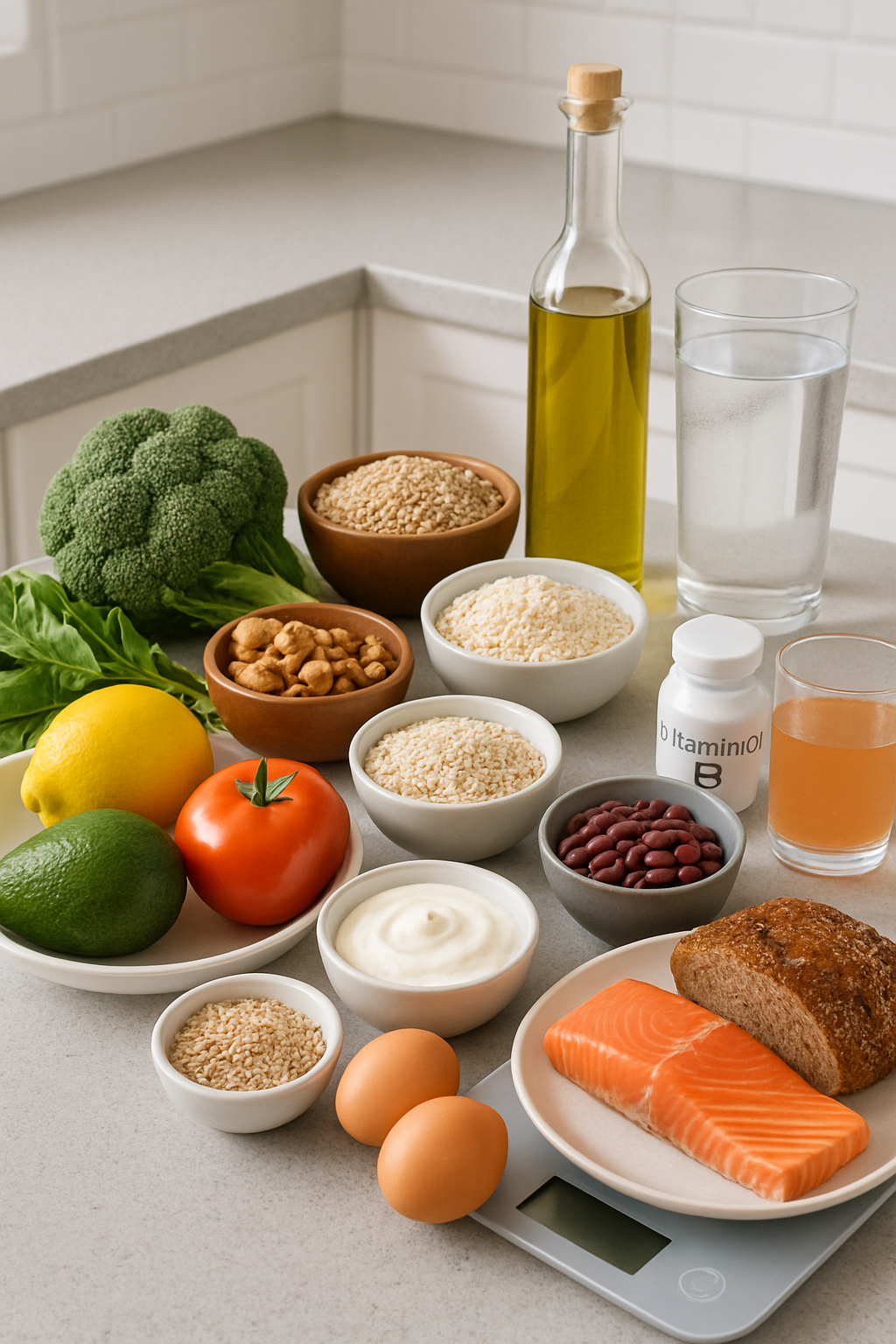
How to Achieve Healthy Weight Loss with AI
1. Track Your Hydration Levels
Proper hydration is fundamental to good health. While you can survive for weeks without food, you can only last a few days without water. It's a simple yet powerful tool, as studies show that increasing your daily water intake can aid in weight loss. Start your day with a large glass of water and use SnapEat AI's tracking feature to monitor your intake throughout the day. Keeping your water bottle and your app in sight ensures this crucial habit stays top of mind.
2. Snap Your Breakfast
Eating a balanced breakfast can lead to better food choices throughout the day, support your metabolism, and stabilize blood sugar. All of these factors are beneficial for weight management. But what constitutes a 'balanced' breakfast? Simply snap a photo with SnapEat AI. Our AI coach recognizes your meal, analyzes its nutritional content, and helps you ensure you’re starting your day with a good mix of non-refined carbs and protein, like an egg or Greek yogurt.
3. Delay Coffee Until After Your First Meal
Consuming coffee on an empty stomach can trigger a spike in cortisol (your stress hormone) and blood sugar. This affects your energy and metabolism negatively. However, a cup of black coffee after a nutritious breakfast can help slow glucose production, potentially reducing the formation of fat cells. Let SnapEat AI remind you of this timing to optimize your morning routine.
4. Include Protein in Every Meal
Protein (from sources like eggs, meat, dairy, nuts, and legumes) takes longer for your body to convert into glucose compared to simple carbs (like white bread and pasta). By including protein with every meal, you achieve more stable blood sugar, greater satiety, and fewer sugar cravings. Use SnapEat AI to track your protein intake and ensure you're meeting your targets, which helps you eat less overall and supports your weight loss goals.
5. Practice Mindful Chewing
Chewing is the first step of digestion, yet we often rush through our meals while distracted. When you don't chew properly, you strain your digestive system and are more likely to overeat because your brain doesn't have time to register fullness. Aim to eat in a relaxed setting, away from screens, and take the time to truly savor your food. This mindful practice complements the data-driven insights from your AI coach.
6. Incorporate More Healthy Fats
Although fats are more calorie-dense than protein or carbs, adding healthy fats to your diet can curb sugar cravings and increase satisfaction, aiding in sustainable weight loss. Good sources include nuts, seeds, oily fish, olive oil, and avocado. SnapEat AI can help you identify and track these beneficial fats to ensure they fit within your daily caloric goals.
7. Use Cutlery Consistently
Eating with a knife and fork, rather than your hands, naturally slows down your eating pace. This forces you to be more attentive to the process of cutting and chewing, making you less likely to overeat. Pause between bites by putting your cutlery down. This simple behavioral trick gives your body time to signal when it's full.
8. Avoid Eating at Your Desk or in Front of the TV
Your brain can't fully focus on work or a show while also processing what you're eating. Distracted eating often leads to overconsumption or feeling hungry again shortly after, as your brain misses crucial fullness cues. Step away from your screens to eat, and let your mind register the meal.
9. Never Skip a Meal
Thinking that eating less by skipping meals will lead to weight loss is a common mistake. This often results in overeating at the next meal because your blood sugar drops, making you feel ravenous. Maintain a consistent eating schedule to keep hunger and cravings in check. SnapEat AI can send you reminders for meal times to help you stay on track.
10. Take a Walk After Eating
A brisk 30-minute walk shortly after lunch or dinner has been shown to result in greater weight loss for some individuals compared to walking an hour after eating. This activity helps with digestion and calorie burn.
11. Maintain a 12-Hour Fast Overnight
Giving your digestive system a break is beneficial for both your health and weight management. Aim for a minimum 12-hour natural fast between your last meal of the day and your first meal the next morning. For example, if you finish dinner at 8 p.m., try to have breakfast at 8 a.m.
12. Opt for Whole Foods
In our fast-paced lives, it's easy to rely on processed or pre-made foods. However, choosing whole foods is crucial for weight loss. Processed items are often low in fiber and nutrients but high in calories, salt, and sugar, which can lead to overeating. Use SnapEat AI to learn more about the nutritional value of the whole foods you eat.
13. Reduce Artificial Sweeteners
Products labeled 'no added sugar' often contain artificial sweeteners. Research suggests that these sweeteners can keep your palate accustomed to sweetness, increase sugar cravings, and even disrupt hunger signals, potentially causing you to eat more.
14. Ask Yourself 'Why' You Are Eating
It's common to turn to food for comfort when you're tired, stressed, or upset, even if you're not physically hungry. This is especially true in the evenings. If you find yourself reaching for a snack after dinner, pause and ask why. Perhaps a non-food alternative like a warm bath, an early night, or a conversation with a friend would be more beneficial.
15. Practice Daily Meditation
Meditation offers several benefits for weight loss. A daily practice can reduce stress and anxiety, helping you cope with emotions without turning to food. It can also improve self-esteem and increase your awareness of unhelpful habits in a non-judgmental way.
16. Fill Up with Fiber
Fiber is key to feeling full. Incorporating more fiber from foods like fruits, vegetables, whole grains, beans, and lentils provides greater satiety. Feeling fuller for longer helps you consume fewer calories throughout the day. Track your fiber intake with SnapEat AI to ensure you're getting enough.
17. Use Smaller Dishes
Portion control is a major hurdle in weight loss. Using smaller bowls and plates is a simple psychological trick to naturally reduce your portion sizes—as long as you resist going back for second and third helpings. Remember, a bigger plate often leads to a bigger meal.
18. Limit or Eliminate Alcohol
Alcohol provides empty calories that can easily sabotage your weight loss efforts. Furthermore, alcohol alters how your body burns fat, as it prioritizes metabolizing the alcohol first. This can slow down or hinder your weight loss progress. Scan your drink with SnapEat AI to understand its caloric impact.
19. Automate Your Food Journal
Manually logging every meal is tedious. Let SnapEat AI do the work for you. 'Monitoring what you eat and drink helps you see the balance of your diet,' explains our AI coach. Just snap a photo, and our technology recognizes the food, calculates its nutritional value, and helps you identify where you can make positive changes, like adjusting portion sizes or adding healthier options.
20. Increase Daily Movement
You don't need to run a marathon to lose weight. Simply moving more in your daily life can boost your progress, increase motivation, and improve your mood. Any form of movement releases endorphins and burns extra calories. Activities like walking, gardening, or even vigorous housework count.
21. Build Lean Muscle
Muscle tissue is more metabolically active than fat, meaning it burns more calories even at rest. You can build muscle through bodyweight exercises like push-ups or by lifting weights. Aim to incorporate two to three resistance or weight training sessions into your weekly routine.
22. Avoid Binge-Watching Shows
Being sedentary for extended periods, such as binge-watching a new series, is linked to weight gain, especially if you tend to snack while watching. Try to take a break between episodes, perhaps by going for a short walk.
23. Manage Your Stress Effectively
Stress has both physical and mental impacts. When stressed, your body releases cortisol, a hormone that directly affects blood glucose levels and can lead to weight gain. Find what works for you to manage stress, whether it's exercise, hobbies, or mindfulness techniques.
24. Don’t Shop for Groceries While Hungry
Shopping on an empty stomach makes you more likely to impulse-buy high-calorie, low-nutrient items. You're more prone to grabbing quick and easy options or a snack to eat on the way home, which adds unnecessary calories.
25. Rethink the Scale
Weighing yourself too frequently can be counterproductive. Your weight can fluctuate by several pounds daily due to factors like hydration and your menstrual cycle. A number on the scale that doesn't meet your expectations can lead to demotivation or unhealthy behaviors like skipping meals. Instead, focus on consistent habits.
26. Track Progress Visually
Observing changes in your body is a healthier and more motivating way to monitor weight loss. SnapEat AI allows you to track progress with photos and body measurements. Take photos and measure your chest, hips, and thighs when you start. Repeat every 4-6 weeks to see tangible changes that the scale might not reflect, such as gaining muscle while losing fat.
27. Avoid Labeling Foods as 'Good' or 'Bad'
When you label foods like cake as 'bad,' you often increase your craving for them. This can lead to a cycle of restriction and overindulgence. Instead, aim for balance. Focus on eating nourishing foods 80% of the time and allow for occasional treats. This fosters a healthier relationship with food and supports long-term success.
28. Drink Water 30 Minutes Before Meals
A 2010 study revealed that individuals on a calorie-restricted diet who drank a glass of water 30 minutes before a meal lost 44% more weight over 12 weeks than those who did not. This simple habit can help you feel fuller and eat less.
29. Always Take the Stairs
It's convenient to take the elevator, but choosing the stairs is a simple way to burn more calories, improve muscle strength, and boost your metabolism. It’s an easy win that also contributes to your daily step count.
30. Find Your Inspiration
Motivation is key to any journey. Whether it's watching an inspiring documentary, creating a vision board, or following success stories on social media, feeling inspired by others can drive you to take action yourself. Let their progress fuel your own.
31. Pair Carbs with Protein or Fat
Never eat 'naked' carbs (carbohydrates on their own). Always pair them with healthy fats or protein. This combination helps you feel fuller for longer and keeps your blood sugar stable, preventing the sugar cravings and overeating that can follow a carb-only snack.
32. Prioritize Nutrient Quality Over Calorie Count
While calorie counting is a tool for weight loss, it doesn't tell the whole story. SnapEat AI helps you focus on nutrient density. 100 calories of vegetables offer more vitamins, fiber, and satiety than 100 calories of cookies. Our AI coach shows you the nutritional value of your food, so you can make choices that truly nourish your body.
33. Decline the Bread Basket
When dining out, it's easy to mindlessly graze on the bread basket while waiting for your meal. This adds extra calories from simple carbs before your main course even arrives. Politely say no to keep your appetite and calorie intake in check.
34. Eliminate Sugary Drinks
Fizzy drinks are loaded with sugar and calories. Swap them for sparkling water with a slice of lemon or lime, or simply stick to plain water. Even diet drinks, with their artificial sweeteners, can disrupt your hunger cues and lead you to eat more.
35. Have a Protein-Rich Afternoon Snack
The long gap between lunch and dinner often calls for a snack. A protein-based snack in the afternoon helps stabilize blood sugar, provides sustained energy, and prevents the overeating that can happen when you arrive home feeling famished. Use SnapEat AI to find personalized, high-protein snack ideas.
36. Shop for Single Servings
Family-sized or sharing packs may seem like a good deal, but they can lead to temptation and overeating. Whenever possible, buy foods in single-serving portions to help with portion control, unless you are indeed shopping for a large family.
37. Prioritize Quality Sleep
Poor sleep disrupts cortisol and blood glucose levels. Waking up tired often leads to cravings for sugar and simple carbs for a quick energy boost. It also makes you more likely to rely on caffeine. All of these factors can contribute to weight gain. Aim for 7-9 hours of quality sleep per night.
38. Consider a Vitamin D Supplement
Vitamin D deficiency is common, especially for those who spend a lot of time indoors. Research suggests a link between low vitamin D levels and an increased risk of obesity. Supplementing with vitamin D may help reduce waist-to-hip ratio. UK government guidelines recommend a daily 10mcg supplement from September to April.
39. Cut Down on Added Sugars
Most of us consume too much added sugar, which provides empty calories with no nutritional benefit. Significantly reducing your intake of 'free' sugars—like those in honey, syrups, and fruit juice—can greatly aid weight loss. The natural sugars in whole fruits are fine, as they come with fiber and nutrients.
40. Add Omega-3 Fatty Acids to Your Diet
Omega-3 is an essential fatty acid that your body can't produce. You must get it from food or supplements. Found in oily fish (salmon, mackerel) and plant sources (chia seeds, walnuts), omega-3 appears to improve metabolism, which can help reduce weight gain. Let SnapEat AI help you identify and track omega-3-rich foods.
41. Eat Soup Regularly
Soups can be both filling and nutrient-dense. They are often lower in calories and higher in fiber than other meals, which can support weight loss. Just be mindful of the amount of bread you have alongside it. Use SnapEat AI to analyze the nutritional content of homemade or store-bought soups.
42. Start Your Meal with a Salad
Eating a salad before your main course can help you feel fuller, thanks to the combination of low-calorie vegetables and fiber. This can lead you to eat less of your main meal. Use a simple olive oil dressing and avoid sugary, pre-made ones.
43. Opt for an Open-Faced Sandwich
A typical sandwich often contains more bread than filling. These excess refined carbs can disrupt blood sugar and lead to increased hunger later. Try an open-faced sandwich instead. By removing the top slice of bread, you cut calories and carbs while still enjoying your favorite fillings.
44. Switch from White to Rye Bread
Rye bread is high in fiber and has been studied for its weight loss benefits. It promotes greater satiety and better blood glucose control compared to white bread, which can help you consume fewer calories throughout the day.
45. Eat Probiotic-Rich Foods
Foods rich in live bacteria, or probiotics, support a healthy gut microbiome. While research on a direct link to weight loss is ongoing, we know that an imbalanced gut can affect blood glucose control, mood, and metabolism—all of which are relevant to weight management. Think yogurt, kefir, sauerkraut, and kimchi.
46. Consume More Resistant Starch
Resistant starch forms when starchy foods like potatoes, pasta, and rice are cooked and then cooled. It acts as a prebiotic, feeding your beneficial gut bacteria. A diet rich in resistant starch has been linked to better blood glucose control, increased satiety, and a leaner body mass.
47. Plan Your Meals in Advance
One of the biggest obstacles to weight management is a lack of planning. Leaving meals to chance often results in skipping them, grabbing unhealthy options, or ordering takeout. SnapEat AI helps you overcome this by serving as your meal planning assistant. Get personalized recipe inspiration and create weekly plans to make healthier food choices effortless.
48. Make Your Own Smoothies
Store-bought smoothies can seem healthy, but they are often packed with 'free sugars' released during processing and blending. Making your own smoothie at home gives you control over the ingredients. Use whole fruits, vegetables, and a protein source like Greek yogurt or protein powder for a truly nutritious option.
49. Skip the High-Sugar Condiments
A dollop of ketchup or a dash of mayo can add significant amounts of hidden sugar, salt, and fats to your meal. Often, we add them out of habit. Break the habit and use herbs, spices, or a squeeze of lemon to flavor your food instead.
50. Avoid Overtraining
While exercise is crucial, too much of it—especially high-intensity cardio like running—can increase cortisol levels, particularly if you're already stressed. Elevated cortisol can increase your appetite and lead to overeating. Ensure you're fueling your body properly and scheduling adequate rest and recovery days.