


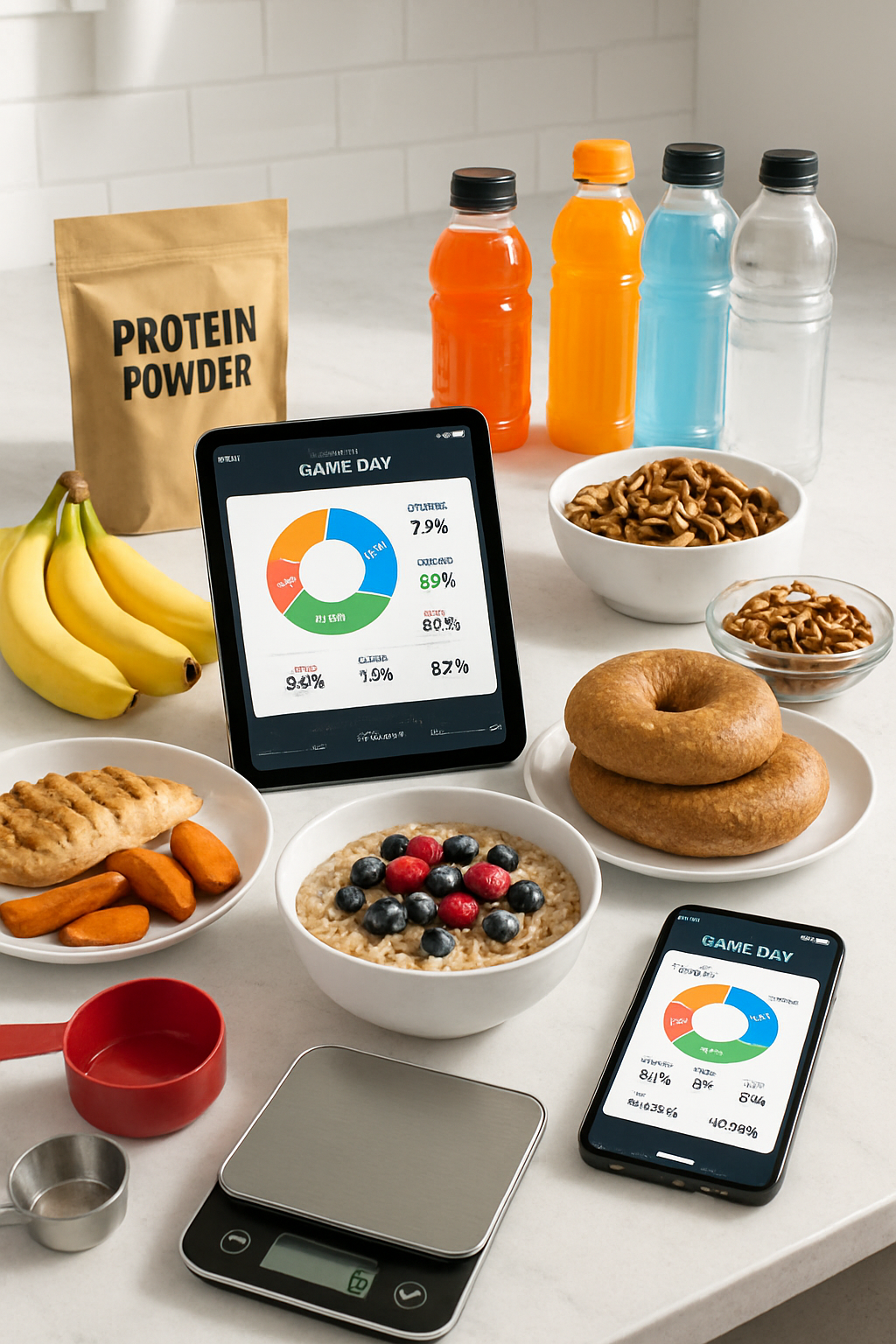
Why Game Day Nutrition is Your Secret Weapon
Think of your body as a high-performance engine. You wouldn't put low-grade fuel in a race car before a championship, so why compromise on your body's fuel before a big competition? The science of athlete nutrition is designed to optimize every physical function. The primary goal of a solid game day nutrition plan is to maximize your muscle glycogen stores. Glycogen, the stored form of carbohydrates, is your body's high-octane fuel for intense activity. When these stores are full, you have the stamina to push harder for longer. When they're low, you hit "the wall"—that dreaded feeling of sudden fatigue, brain fog, and muscle weakness. Proper fueling prevents this, sharpens mental focus, and reduces the risk of game-ending muscle cramps.
Your Fueling Playbook: The Role of Carbs, Protein, and Fats
An effective sports nutrition strategy revolves around balancing three key macronutrients. Understanding their roles is crucial for building the perfect pre-game meal and recovery plan.
Carbohydrates: The Primary Fuel Source
Carbs are your energy king and are non-negotiable for athletes. The key is timing and type. Complex carbs (like oatmeal, brown rice, sweet potatoes, and whole-wheat pasta) release energy slowly and should form the foundation of your meals the day before and in your main pre-game meal. Simple carbs (like fruits, honey, or sports drinks) provide a quick energy burst and are best consumed right before or during an event.
Protein: The Muscle Repair Crew
While carbs provide the fuel to perform, protein provides the power to rebuild. Consuming adequate lean protein helps prevent muscle breakdown during intense exercise and is essential for the repair and recovery process after the game. Focus on high-quality sources like grilled chicken, fish, eggs, Greek yogurt, tofu, and legumes.
Fats and Hydration: The Underrated Enhancers
Healthy fats (from avocados, nuts, seeds, and olive oil) are vital for overall health and provide a source of long-term, slow-burn energy. However, because they are slow to digest, high-fat foods should be minimized in the hours immediately before a game to avoid feeling sluggish or heavy. Above all, stay hydrated. According to sports science, even a 2% drop in hydration can significantly impair performance, affecting everything from your speed to your decision-making.
Your Winning Game Day Timeline: What to Eat and When
Timing is everything. Follow this simple playbook for how to fuel for peak performance and dominate your competition.
Phase 1: 24 Hours Before - The Carb-Loading Phase
Your preparation starts the day before. Focus on making carbohydrates about 60-70% of your total calories. Stick to familiar, complex carbs like pasta, rice, and potatoes to maximize your glycogen stores without causing any digestive surprises.
Phase 2: 3-4 Hours Before - The Main Pre-Game Meal
This is your most important fueling opportunity. The ideal pre-game meal is rich in complex carbohydrates, contains a moderate amount of lean protein, and is low in fat and fiber for easy digestion. This combination provides sustained energy without weighing you down.
Pro-Tier Examples:
- Grilled chicken breast with a large side of sweet potato and a small portion of steamed green beans.
- A bowl of oatmeal made with water or skim milk, topped with berries and a scoop of protein powder.
- A turkey and cheese sandwich on a whole-wheat bagel with a side of fruit.
Phase 3: 1-2 Hours Before - The Final Top-Off
If you feel hungry, a small, easily digestible snack high in simple carbohydrates is perfect for a final energy boost.
Pro-Tier Examples: A banana, a handful of pretzels, a small low-fiber granola bar, or a piece of fruit.
Phase 4: Post-Game - The 3 R's of Recovery
The final whistle doesn't end your nutrition plan. Within 30-60 minutes after your game, focus on the 3 R's: Refuel with carbohydrates, Rebuild with protein, and Rehydrate with fluids and electrolytes. This is crucial for kickstarting muscle repair and preparing you for your next training session.
Pro-Tier Examples: A protein shake with a banana, a glass of chocolate milk, or a bowl of Greek yogurt with fruit and a drizzle of honey.
Foods to Avoid Before a Game: The Opposition's Playbook
Just as important as what you eat is what you don't eat. In the 3-4 hours before go-time, steer clear of:
- High-Fat Foods: Fried foods, creamy sauces, and fatty cuts of meat can slow digestion and leave you feeling sluggish.
- High-Fiber Foods: While normally healthy, large amounts of raw vegetables, beans, and high-fiber cereals can cause gas and bloating.
- Spicy Foods: These can lead to heartburn or an upset stomach during intense activity.
- Untested Foods: Game day is not the time to experiment. Stick with foods you know your body handles well.
How SnapEat AI Gives You the Home-Court Advantage
Knowing the plan is one thing; executing it perfectly is another. This is where SnapEat AI transforms you from an amateur into a strategic athlete. It removes the guesswork from nutrition tracking for athletes, giving you a data-driven edge.
- Track with a Snap: Forget tedious manual logging. Finished your pre-game meal of chicken and sweet potato? Just snap a photo. SnapEat AI’s advanced image recognition identifies your food and logs it instantly.
- Analyze Like a Pro: The app immediately provides a detailed breakdown of your meal's calories, carbohydrates, protein, and fat. You can see in real-time if you hit the high-carb, moderate-protein target needed for peak performance.
- Win with Data: Just as a pro coach analyzes game film, you can review your nutritional data in SnapEat AI. Discover which meals led to your best performances. Learn your patterns, adjust your strategy, and make informed decisions to consistently outperform the competition.
Frequently Asked Questions (FAQ)
What's a good last-minute pre-game snack if I only have an hour?
If you're short on time, choose a small, simple carbohydrate snack like a banana, a sports gel, or a handful of pretzels. These digest quickly and provide a fast source of energy without causing stomach upset.
Should I eat or drink during a game?
For events lasting over 60-90 minutes, yes. Focus on hydration by sipping water or an electrolyte drink every 15-20 minutes. For very long or intense games, a sports drink or gel can help replenish carbohydrates and electrolytes to prevent a drop in performance.
How important is the post-game recovery meal really?
It's critical. The 30-60 minute window after exercise is when your muscles are most receptive to nutrients. Skipping your post-game recovery meal can delay muscle repair, increase soreness, and compromise your performance in the next training session or game.
Conclusion: It’s Your Time to Win
The difference between a good athlete and a great one often comes down to mastering the details you can control. Your nutrition is the most powerful controllable detail in your performance arsenal. You don't need an NBA contract to fuel like a pro—you just need the right knowledge and the right tools. Stop guessing what to eat before your big game. Start building a winning strategy based on proven sports science. Download SnapEat AI today, turn your nutrition into your ultimate secret weapon, and get ready to dominate.