


The High-Stakes Nutrition Game of an Elite Hockey Player
A hockey player's body is a high-performance engine. It demands a unique blend of explosive power, sustained endurance, and razor-sharp focus. A generic 'healthy' diet isn't enough; you need a strategic hockey player diet built for the specific demands of the sport.
The Fuel Crisis: Carbohydrates for Explosive Power
Carbohydrates are the high-octane fuel for every breakaway sprint and powerful slapshot. Stored as glycogen, they are rapidly depleted during high-intensity shifts. A diet rich in complex carbs like oats, quinoa, and sweet potatoes is essential to prevent 'hitting the wall' in the third period and maintain peak performance from puck drop to the final buzzer.
The Repair Protocol: Protein for Unrelenting Strength
The relentless physical contact of hockey creates micro-tears in muscle tissue. Protein is the non-negotiable repair crew, rebuilding muscle stronger and more resilient. Optimizing your protein intake is critical for muscle synthesis, accelerating recovery, and preventing injuries throughout a grueling tournament like the Frozen Four.
The Unseen Details: Fats, Micronutrients, and Hydration
Beyond the macros, peak performance lies in the details. Healthy fats (from sources like avocado and nuts) support hormone function and combat inflammation. Micronutrients (vitamins and minerals) act as the spark plugs for your metabolism. And hydration? Studies show even a 2% drop in hydration can significantly impair reaction time, power output, and cognitive function—a gap wide enough for a championship to slip through.
The Roadblock: Why Guesswork Fails on the Journey to the Frozen Four
The road to a championship is filled with nutritional landmines: inconsistent travel meals, hotel buffets, and immense psychological pressure. In this high-stakes environment, 'eyeballing' your portions or guessing your macro intake isn't a strategy; it's a liability. When every shift counts, you need precision. You need data. You need to know you are perfectly fueled.
The SnapEat AI Edge: Winning Nutrition with Smart Technology
This is where SnapEat AI provides a decisive competitive advantage. It's an AI nutrition tracker designed for elite athletes who demand accuracy without the time-consuming hassle of manual food logging. It’s the answer to 'how to eat for peak hockey performance' with confidence.
Effortless AI Meal Tracking: Just Snap a Photo
Forget tedious data entry. With SnapEat AI, you simply take a photo of your meal. Our advanced AI instantly analyzes the food items—from a complex training table dish to a quick snack—and provides a detailed breakdown of calories, protein, carbs, and fats. This makes athlete nutrition tracking seamless, accurate, and fast.
Real-Time Performance Insights: Make Data-Driven Decisions
Are you low on carbs before a critical game? Did your post-game meal have enough protein for optimal recovery nutrition? SnapEat AI provides instant feedback, transforming your phone into a personal sports nutritionist. Make smart, in-the-moment adjustments to your fueling plan to stay ahead.
Personalized Fuel Plans: Adapt for Training, Game Day & Recovery
Your needs change daily. A heavy training day requires a different fuel load than a rest day or game day. SnapEat AI allows you to set custom macro and calorie targets, ensuring your nutrition plan is always perfectly synchronized with your physical output.
Master Your Hydration: Prevent Performance Dips
Easily log your water and fluid intake to get a clear, visual report of your hydration status. Our hydration monitor helps you stay on top of this critical component of peak performance, preventing fatigue and maintaining focus when it matters most.
How to Fuel a Championship Game Day with SnapEat AI (Your Step-by-Step Guide)
Let's put theory into practice. Here’s a sample game day nutrition strategy using SnapEat AI, a perfect plan for any college hockey player.
Step 1: The Pre-Game Fuel Load (3-4 Hours Out)
- Goal: Maximize glycogen stores with easily digestible carbs, moderate protein, and low fat/fiber to prevent sluggishness.
- Example Meal: Grilled chicken, a large portion of white rice, and steamed carrots.
- SnapEat AI Action: Snap a photo of your plate. The app instantly confirms you’ve hit your target of ~100-150g carbs and ~30g protein, giving you the confidence that your engine is primed for performance.
Step 2: Inter-Period Refueling (In-Game Boost)
- Goal: Consume quick, simple carbs and electrolytes to maintain energy levels and hydration.
- Example Snack: A sports drink and a banana or a handful of pretzels.
- SnapEat AI Action: Use the quick-add feature to log these items. This keeps your daily totals accurate and ensures you are refueling effectively between periods of intense effort.
Step 3: The Critical Recovery Window (Post-Game Repair)
- Goal: Kickstart muscle repair and replenish glycogen within 30-60 minutes post-game. Aim for a 3:1 carb-to-protein ratio.
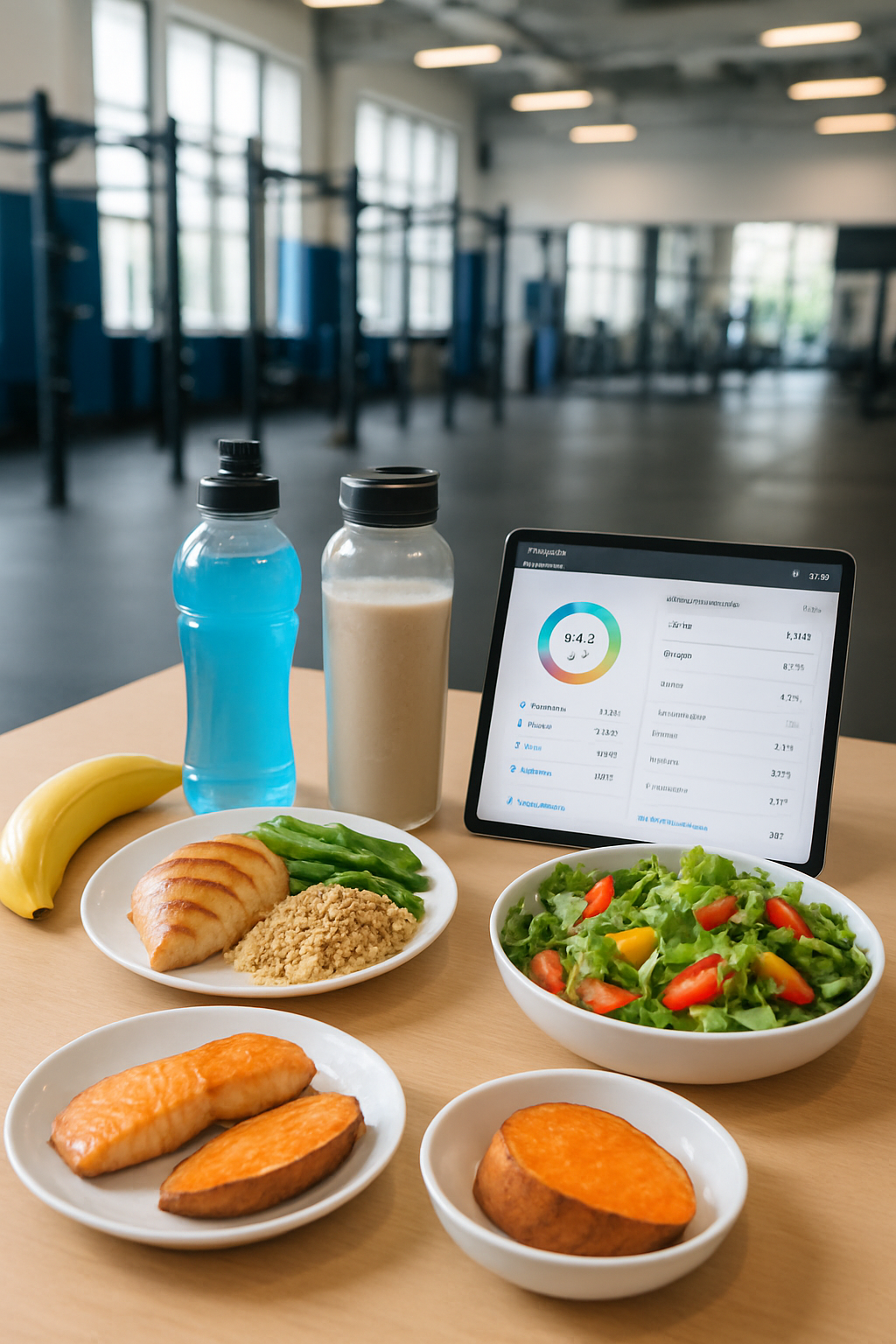
- Example Recovery Fuel: A recovery shake (whey protein, fruit) followed by a full meal like salmon with sweet potatoes and a large salad.
- SnapEat AI Action: Snap your shake and meal. The app verifies you've ingested the optimal ~25-40g of protein and sufficient carbs to maximize your post-game recovery nutrition, setting you up for success tomorrow.
Frequently Asked Questions (FAQ) for Peak Hockey Performance
What is the best pre-game meal for a hockey player?
The ideal pre-game meal is consumed 3-4 hours before the game and is high in carbohydrates, moderate in protein, and low in fat and fiber. A great example is grilled chicken with white rice and steamed vegetables. This provides sustained energy without causing digestive issues.
How can athletes track nutrition without tedious counting?
This is precisely the problem an AI nutrition tracker like SnapEat AI solves. By using photo recognition, it eliminates the need for manual searching and data entry. Athletes can simply snap a picture of their food to get an instant and accurate macronutrient breakdown, making consistent tracking feasible even with a busy schedule.
How much protein does a college hockey player need?
Elite hockey players have higher protein needs to support muscle repair and growth. The general recommendation is 1.6-2.2 grams of protein per kilogram of body weight per day. SnapEat AI helps you track this intake to ensure you're meeting your specific recovery needs.
Why is post-game recovery nutrition so important?
The 30-60 minute window after a game is when your body is most receptive to nutrients. Consuming a combination of carbohydrates and protein during this time rapidly replenishes depleted energy stores (glycogen) and provides the building blocks to start repairing muscle damage. Proper recovery nutrition reduces soreness and ensures you're ready for the next game or practice at full strength.
Conclusion: Stop Guessing, Start Dominating the Ice
The Frozen Four is where championships are decided by the smallest of margins. Your commitment to precision fueling is one of the most significant competitive advantages you can control. In an arena where talent and hard work are universal, your superior nutrition strategy can be the difference-maker.
Stop guessing and start knowing. Your journey to the top of college hockey demands the best from you, and you should demand the best from your tools. Transform your nutrition from a liability into your secret weapon.
Download SnapEat AI today. Fuel your body with the precision of a champion and turn your Frozen Four dream into a reality.