


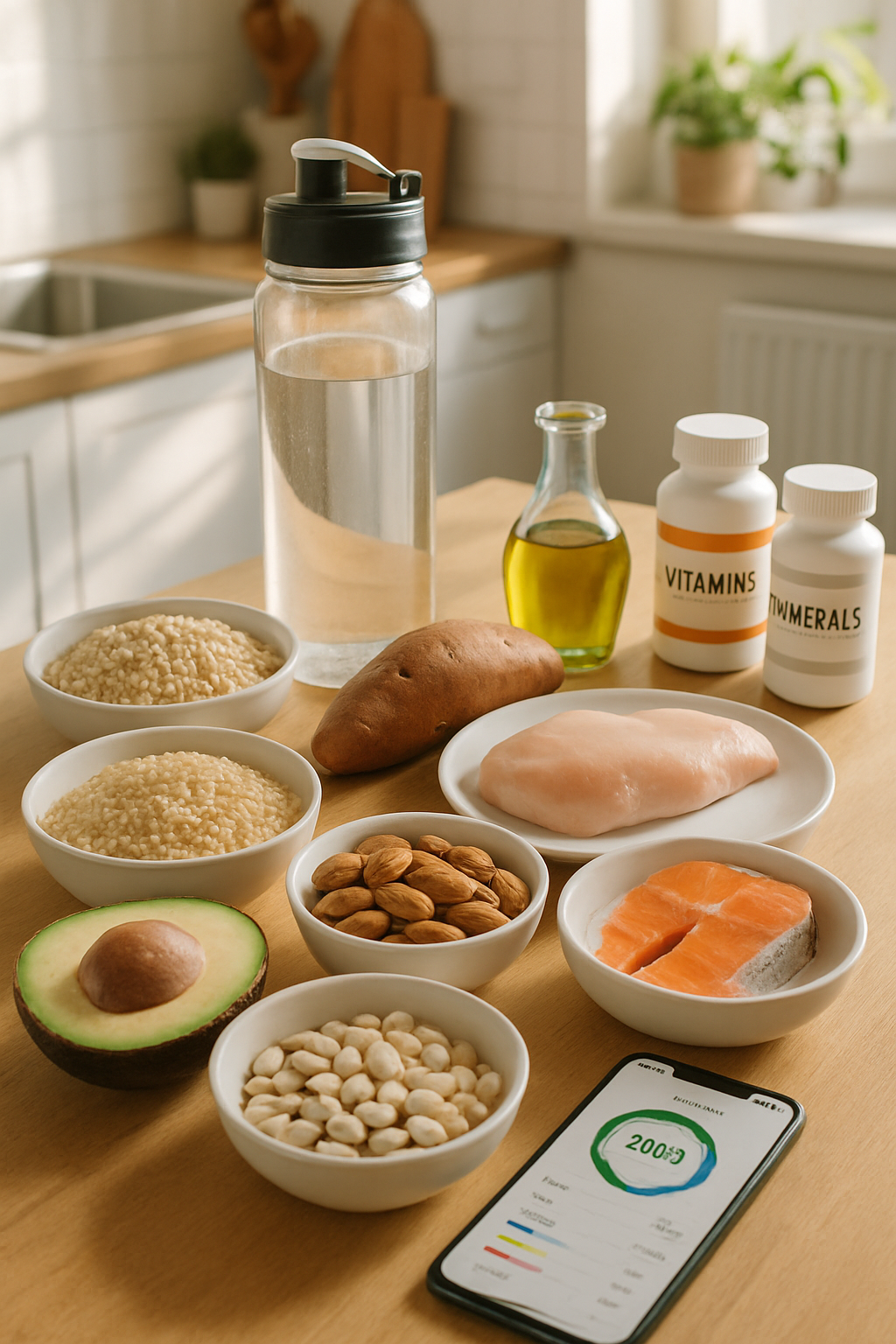
The Elite Athlete's Plate: What Fuels a Football Champion?
Ever wonder what gives a player the energy for that lung-busting 90th-minute run? It's not magic; it’s sports science. An elite athlete's diet is a masterclass in football nutrition, meticulously planned for peak performance and rapid recovery.
Macronutrients: The Holy Trinity of Performance Fuel
The core of any athlete's diet revolves around the three key macronutrients:
- Carbohydrates: This is the high-octane fuel for your body. Complex carbs like oats, brown rice, quinoa, and sweet potatoes provide the sustained, slow-release energy needed for 90+ minutes of high-intensity activity.
- Protein: These are the building blocks for muscle repair. After every match and training session, lean protein sources like chicken, fish, eggs, Greek yogurt, and legumes are essential for repairing muscle damage, reducing soreness, and building strength. Aim for 1.6-2.2 grams of protein per kilogram of body weight.
- Healthy Fats: Far from being the enemy, healthy fats are crucial for hormone function, absorbing vitamins, and reducing inflammation. Sources like avocados, nuts, seeds, and olive oil are a vital part of a balanced athlete meal plan.
Nutrient Timing: The Science of When to Eat for a Competitive Edge
Eating the right things is only half the battle; eating them at the right time is what separates the good from the great. This is a critical component of any effective soccer diet.
- Pre-Match Fuel: The answer to "what to eat before a football match" is a carbohydrate-rich, easily digestible meal 3-4 hours before kickoff. This tops off your glycogen stores for maximum energy. Think whole-wheat pasta with a simple tomato sauce or grilled chicken with a side of sweet potato.
- Post-Match Recovery: The 30-60 minute "anabolic window" after the final whistle is crucial. A combination of fast-acting protein and simple carbs kickstarts the recovery process. This is the best food for football player recovery: a protein shake with a banana, or even chocolate milk, works wonders to replenish energy and initiate muscle repair.
The Amateur's Dilemma: Why Manual Nutrition Tracking Fails
While we can all admire the discipline of a professional, replicating it is another story. We don’t have a team of nutritionists. We have busy lives. Manually logging every calorie, guessing portion sizes, and trying to calculate macros in a spreadsheet is tedious, inaccurate, and ultimately, unsustainable. This is the gap where good intentions fall short of real results, leaving you guessing about your diet's effectiveness.
Your Unfair Advantage: An AI Nutritionist in Your Pocket
What if you could bridge that gap with technology? What if you had a secret weapon that made elite-level tracking effortless? Enter the world of AI nutrition. A revolutionary nutrition tracker app like SnapEat AI puts a personal nutritionist right in your pocket, democratizing performance science.
Track with a Snap: Effortless & Accurate Meal Logging
Forget manual entry. Simply take a photo of your meal. SnapEat AI's advanced technology instantly recognizes the food, calculates the portion size, and logs a full nutritional breakdown. It transforms the chore of tracking into a seamless, two-second habit.
Beyond Calories: AI-Powered Macro & Micro Insights
SnapEat AI goes deeper than just calories. It gives you a clear, visual breakdown of your macronutrients. Are you getting enough protein for recovery? Are your carb levels optimized for your next game? The app provides the answers, helping you understand how to track macros for athletes without the guesswork, and even monitors key micronutrients and hydration.
Your 3-Step Game Plan to Fueling Victory
Ready to transform your approach to nutrition? Follow this simple, powerful game plan inspired by champions to turn data into dominance.
- Track Consistently: Make it a non-negotiable habit to snap every meal and snack. This isn't about judgment; it's about collecting data. By building a complete picture of your intake, you gain the power to make meaningful, informed changes. This is your personal scouting report.
- Analyze & Adapt: Use the insights from your SnapEat AI dashboard to make smarter choices. Noticed your post-workout meal was low on protein? Next time, add a scoop of whey or a Greek yogurt. See that your energy dips in the afternoon? Your data might suggest swapping that sugary snack for a complex carb. You are now making data-driven decisions.
- Win Your Day: This is where it all comes together. When you consistently fuel your body correctly, the results speak for themselves. You'll feel more energetic on the pitch, recover faster between sessions, and perform better in every aspect of your life. You are no longer just eating; you are fueling for victory.
Frequently Asked Questions about Football Nutrition
What is the best food for football recovery?
The ideal recovery meal or snack contains a 3:1 or 4:1 ratio of carbohydrates to protein. This combination quickly replenishes muscle glycogen (energy stores) and provides the amino acids needed for muscle repair. Great examples include chocolate milk, a fruit smoothie with protein powder, or Greek yogurt with berries and honey.
What should I avoid eating before a football match?
In the 2-4 hours before a game, you should avoid high-fat, high-fiber, and overly spicy foods. These can slow digestion, sit heavily in your stomach, and potentially cause gastrointestinal distress during high-intensity exercise. Stick to familiar, easily digestible carbohydrates and a small amount of lean protein.
Is an AI nutrition tracker more accurate than manual logging?
Yes, significantly. AI nutrition trackers like SnapEat AI use computer vision and vast food databases to minimize human error. Manual logging often suffers from inaccurate portion size estimation and forgotten items. AI provides a more objective, consistent, and therefore more accurate, picture of your nutritional intake.