


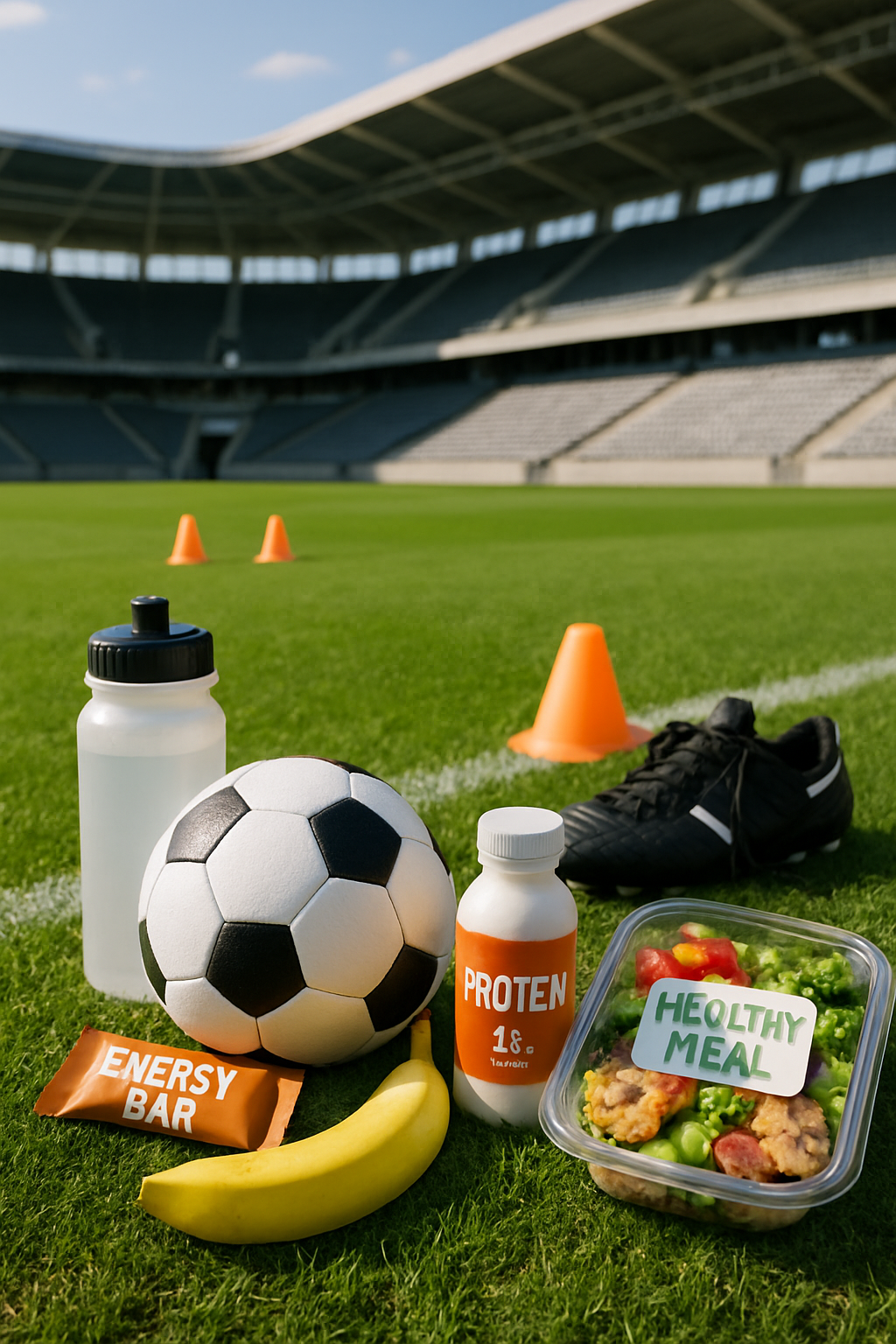
Why Nutrition is Your Most Valuable Player (MVP)
Peak football performance isn't just about fitness; it's about metabolic efficiency. Think of your body as a high-performance engine. You wouldn't put low-grade fuel in a Ferrari, so why compromise on your own? A well-structured athlete diet goes far beyond just counting calories. It's about providing your body with the precise tools it needs to:
- Maximize Energy: For explosive sprints, powerful shots, and relentless pressing throughout the match.
- Enhance Endurance: To be as strong in the 90th minute as you were in the first, giving you a crucial late-game advantage.
- Accelerate Muscle Recovery: To repair muscle damage from tackles and intense exertion, ensuring you're ready for the next training session faster and with less soreness.
- Reduce Injury Risk: Proper nutrition strengthens tissues, improves bone density, and supports immune function, keeping you on the field and off the sidelines.
Building Your Performance Plate: A Footballer's Guide to Macronutrients
To build the ultimate football nutrition plan, you need to master your three key teammates: carbohydrates, protein, and fats. Getting the balance right is fundamental to any successful athlete diet.
Carbohydrates: Your Primary Fuel for Speed and Endurance
Carbs are the undisputed king of football nutrition. They are stored in your muscles and liver as glycogen, which is the most readily available energy source for high-intensity activities like sprinting, jumping, and tackling. Depleted glycogen stores lead directly to fatigue and a drop in performance.
- Focus on: Complex carbs like oatmeal, brown rice, quinoa, sweet potatoes, whole-wheat pasta, and fruits for sustained energy release.
- When: They should be the largest portion of your plate at most meals, especially in the 24-48 hours leading up to and on game day itself.
Protein: The Blueprint for Muscle Repair and Power
Every tackle, sprint, and change of direction causes micro-tears in your muscles. Protein provides the essential amino acids necessary to repair this damage and build stronger, more powerful, and more resilient muscle tissue. It is the foundation of recovery and strength.
- Focus on: Lean sources like chicken breast, turkey, fish (like salmon), eggs, Greek yogurt, and high-quality plant-based options like lentils, chickpeas, and tofu.
- When: Consume protein consistently throughout the day. Aim for 20-30g per meal, with a special emphasis on your post-game recovery meal to kickstart the repair process.
Healthy Fats: For Sustained Energy and Overall Health
Fats are crucial for long-term energy, hormone production, absorbing fat-soluble vitamins (A, D, E, K), and reducing inflammation. While carbs are for high-intensity bursts, fats help fuel you through the lower-intensity periods of a 90-minute match.
- Focus on: Unsaturated fats from avocados, nuts (almonds, walnuts), seeds (chia, flax), and olive oil.
- When: Include moderate portions in your daily meals but limit them in your immediate pre-game meal (the 3-4 hours before kickoff) as they slow down digestion.
Hydration: The Non-Negotiable Performance Enhancer
Dehydration is a performance killer. Studies show that even a 2% loss in body weight from sweat can significantly impair your speed, focus, cognitive function, and endurance. Don't wait until you're thirsty. Drink water consistently all day, every day.
Nutrient Timing for Footballers: The Game Day Blueprint
Knowing what to eat is half the battle; knowing when to eat it is how you gain a competitive edge. Here’s how to structure your game day nutrition for maximum impact.
Pre-Game Fuel: What to Eat 3-4 Hours Before Kickoff
This is your main energy-loading meal. The goal is to top off your glycogen stores without causing digestive distress. The plate should be high in complex carbohydrates, contain a moderate serving of lean protein, and be low in fat and fiber.
- Example Meal: A grilled chicken breast with a large portion of sweet potato and a side of steamed green beans.
Half-Time Reset: Quick Energy for the Second Half
You have about 15 minutes to refuel. The focus here is on fast-acting carbohydrates and hydration to quickly replenish energy stores and replace lost fluids without weighing you down.
- Quick Options: A sports drink with electrolytes, an energy gel, a banana, or a few slices of orange.
Post-Game Recovery: The Critical Window for Repair
The 30-60 minutes after the final whistle is the 'golden window' for recovery. Your body is primed to absorb nutrients to repair muscle tissue and replenish depleted glycogen. Aim for a meal or snack with a carbohydrate-to-protein ratio of around 3:1.
- Recovery Meal Example: A large bowl of quinoa with baked salmon and roasted vegetables.
- Quick Snack Example: A smoothie made with chocolate milk, a banana, and a scoop of whey or plant-based protein powder.
Sample Game Day Meal Plan for a 3 PM Kickoff
| Time | Meal | Purpose |
|---|---|---|
| 8:00 AM | Breakfast: Large bowl of oatmeal with berries, nuts, and a side of scrambled eggs. | Sustained Energy & Protein |
| 11:30 AM | Pre-Game Meal: Grilled chicken with whole-wheat pasta and a light tomato sauce. | Top-Up Glycogen Stores |
| 3:45 PM | Half-Time: Sports drink and a banana. | Quick Refuel & Hydration |
| 5:30 PM | Recovery Meal: Chocolate milk, followed by a meal of lean beef stir-fry with brown rice. | Muscle Repair & Glycogen Replenishment |
From Theory to Practice: Track Your Nutrition with SnapEat AI
Understanding this football nutrition plan is great, but applying it consistently amidst a busy training schedule is the real challenge. How do you know if you're hitting your macro targets? That’s where technology becomes your ultimate teammate. SnapEat AI is a revolutionary AI meal tracker designed to take the guesswork out of sports nutrition.
- Track Meals Effortlessly: Stop the tedious manual entry. Simply snap a photo of your meal, and SnapEat's powerful AI analyzes the food items, instantly calculating the calories and macronutrients (carbs, protein, fats). You’ll know in seconds if your pre-game meal has the right fuel mix.
- Hit Your Goals with Precision: As an athlete, your needs are specific. With SnapEat, you can set personalized daily targets for calories, protein, carbs, and fats based on your training load. The app provides real-time feedback, showing you exactly how you're tracking towards your performance goals.
- Win Your Health for the Long Run: Peak performance and long-term health go hand in hand. By seeing a clear, data-driven picture of your eating habits, you can make smarter choices that not only boost your game today but also build a foundation for lifelong wellness.
Frequently Asked Questions about Football Nutrition
What is the best thing to eat right before a football game?
In the 3-4 hours before a game, focus on a meal high in complex carbohydrates, moderate in protein, and low in fat and fiber. A great example is grilled chicken with sweet potato. If you need a small snack 60-90 minutes before, a banana or a handful of pretzels is ideal.
How much protein do I need as a football player?
Football players have higher protein needs to support muscle repair and growth. A general guideline is 1.4 to 2.0 grams of protein per kilogram of body weight (or about 0.6 to 0.9 grams per pound). Spreading this intake across 4-5 meals a day is most effective.
Is pasta a good meal before a football match?
Yes, pasta, especially whole-wheat pasta, is an excellent source of complex carbohydrates, making it a great pre-game meal choice. Pair it with a lean protein source like chicken or a simple tomato sauce. Avoid heavy, creamy, or fatty sauces which can slow digestion.
What should I drink at halftime besides water?
At halftime, a sports drink containing carbohydrates and electrolytes is often more beneficial than plain water. The carbs provide a quick energy boost, and electrolytes (like sodium and potassium) help replace what you've lost through sweat, aiding hydration and preventing cramps.
How can an AI meal tracker improve my performance?
An AI meal tracker like SnapEat removes guesswork. It ensures you're consistently hitting the specific carbohydrate, protein, and calorie targets needed for optimal energy, recovery, and strength gains. This data-driven approach turns your nutrition plan from a vague idea into a precise, actionable strategy for on-field success.
Fuel Smart, Play Harder, and Dominate Your Season
The new football season is a fresh start—a chance to be faster, stronger, and more dominant than before. This year, commit to fueling your body with the same dedication you bring to the training ground. By mastering your macronutrients, timing your meals strategically, and staying relentlessly hydrated, you build an unbeatable advantage.
Don't leave your performance to chance. Embrace the power of precision nutrition. Download SnapEat AI today to turn your smartphone into your personal sports nutritionist. Track your meals, hit your goals, and unleash your full potential on the field. This season, don’t just play the game. Own it.