


The Nutritional Playbook: Fueling for Power and Endurance
An athlete's body is a high-performance engine, and it demands premium fuel. The foundation of any elite football player diet isn't about restriction; it's about mastering the science of performance nutrition. Let's break down the playbook.
Macronutrients: The Big Three for Peak Performance
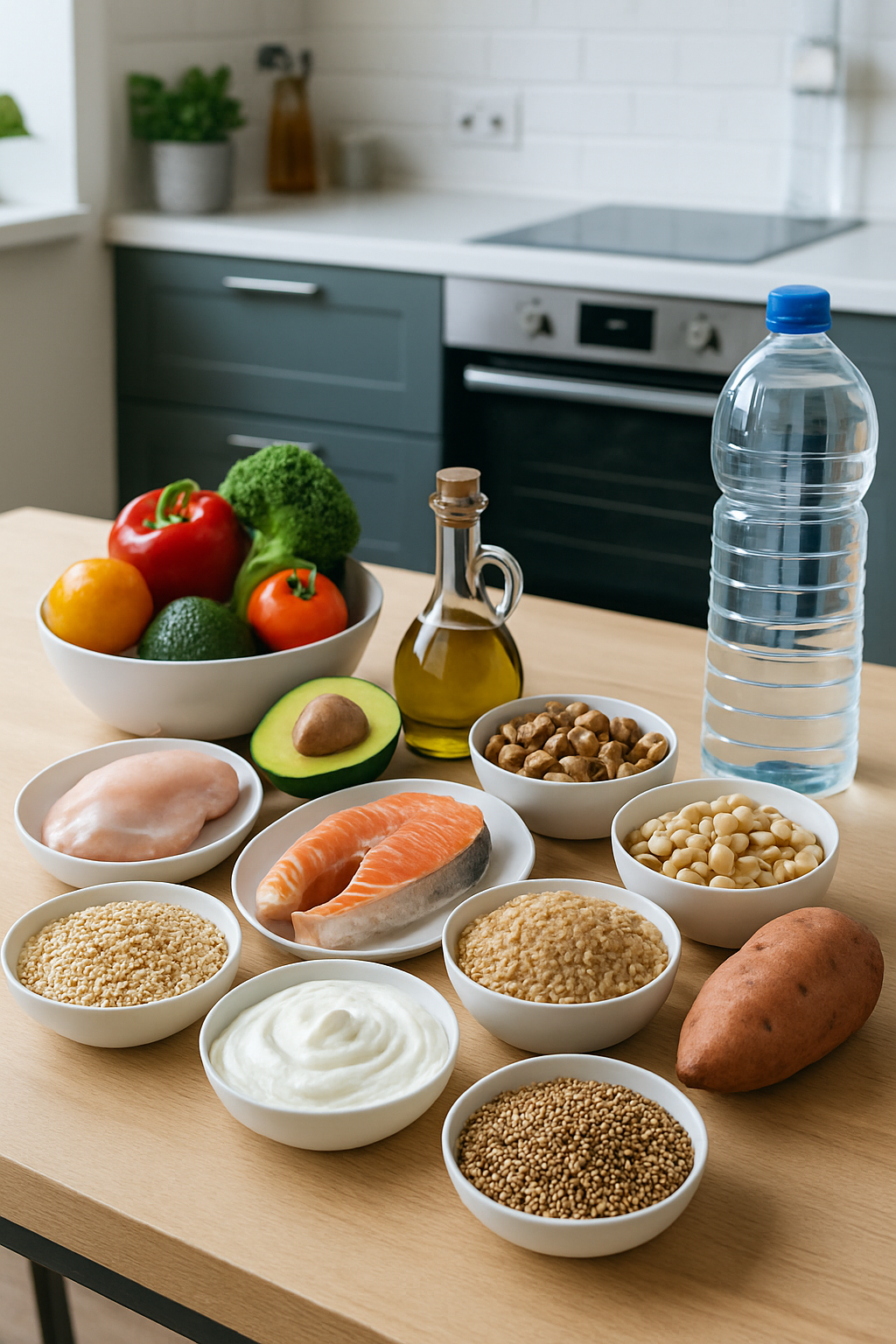
- Protein (The Builder): This is the cornerstone for muscle repair, recovery, and growth. After the stress of tackles, sprints, and lifts, protein provides the amino acids needed to rebuild muscle fibers stronger than before. Aim for 1.6-2.2 grams of protein per kilogram of body weight. Top sources include chicken, fish, lean beef, eggs, and Greek yogurt.
- Carbohydrates (The Fuel): Forget the low-carb fads. For a football player, carbohydrates are the primary fuel for high-intensity energy. They are stored as glycogen in your muscles and liver, providing the immediate power needed for explosive movements. Focus on complex carbs like oatmeal, brown rice, quinoa, and sweet potatoes for sustained energy.
- Fats (The Foundation): Healthy fats are crucial for hormone production, reducing inflammation, and providing long-duration energy. They are a vital part of a balanced athlete nutrition plan. Avocados, nuts, seeds, and olive oil are essential for brain health and joint support.
Micronutrients: The Unsung Heroes of Energy
Vitamins and minerals don't provide energy, but they unlock it. Iron helps transport oxygen to working muscles, calcium supports bone density to prevent fractures, and B-vitamins are vital for converting food into usable fuel. A diet rich in colorful fruits and vegetables (spinach, berries, broccoli) ensures you’re covering these critical bases.
Hydration: The Non-Negotiable Performance Multiplier
Even a 2% drop in hydration can significantly impair strength, focus, and endurance. Water is the medium for nearly every metabolic process in your body. Professional athletes don't wait until they're thirsty; they hydrate consistently throughout the day. Aim for at least 3-4 liters per day, increasing with sweat loss during training.
Timing is Everything: The Science of Nutrient Timing
What you eat is important, but when you eat it can be the difference between good and great performance. This is the science of nutrient timing, designed to maximize energy and accelerate recovery.
- Pre-Training Fuel (1-3 hours before): Your goal is to top off your glycogen stores for maximum power. A meal rich in complex carbohydrates with a moderate amount of lean protein is ideal. Think oatmeal with berries or grilled chicken with a side of sweet potato. This provides sustained energy without causing digestive issues.
- Post-Training Recovery (30-90 minutes after): This is the critical "anabolic window" where your muscles are primed to absorb nutrients for repair and growth. Consuming a fast-digesting combination of protein and simple carbohydrates (like a protein shake with a banana or chocolate milk) kick-starts muscle protein synthesis and replenishes depleted energy stores, crucial for post-workout recovery.
The Modern Challenge: Why Manual Diet Tracking Fails Athletes
Understanding these principles is one thing; applying them consistently is the real challenge. For years, aspiring athletes have struggled with tools that weren't built for them:
- Tedious Manual Logging: Spending 20 minutes a day weighing food and searching databases is time you could be using to train, stretch, or recover.
- Inaccurate Estimations: Is that a 4 oz or 6 oz chicken breast? Guessing portion sizes leads to flawed data and derails your carefully planned football player diet.
- Generic, Unhelpful Advice: A generic 2,500-calorie goal doesn't account for your unique training load, body composition, or metabolic rate. It's a shot in the dark.
This is where most athletes fall short. They lack the tools for the precision and personalization that separates the elite from the amateur. It's time to close that gap.
The Game-Changer: Optimize Your Diet with SnapEat AI
Imagine having a personal sports dietitian in your pocket, one that understands your unique needs as an athlete. That is the power of SnapEat AI, the ultimate AI nutrition tracker built for performance.
From Simple Photo to Powerful Insights
The process is brilliantly simple. Just snap a photo of your meal. SnapEat AI's advanced artificial intelligence instantly analyzes the image, identifies food items, estimates portion sizes with incredible accuracy, and provides a detailed breakdown of calories, macronutrients (protein, carbs, fats), and micronutrients. The tedious work of manual logging is officially obsolete.
Personalized Performance for Your Goals
This is not a one-size-fits-all app. SnapEat AI allows you to set specific goals aligned with your athletic journey—whether it's gaining lean muscle in the off-season, shedding fat to improve speed, or maintaining peak performance during competition. It shows you precisely how you're tracking against the specific protein, carb, and fat targets you need to dominate, creating a truly personalized football player diet plan.
Data-Driven Dominance, Not Guesswork
With clear, visual data, you can finally connect what you eat with how you feel and perform. Feeling sluggish during practice? A quick look at your SnapEat AI log might reveal you're not getting enough carbs at lunch. Not recovering fast enough? The app will show if you're falling short of your post-workout protein goals. This makes it the most effective nutrition app for athletes, turning guesswork into a data-driven strategy for victory.
Frequently Asked Questions (FAQ)
How much protein does a college football player need?
Most college football players should aim for 1.6 to 2.2 grams of protein per kilogram of body weight per day to support muscle growth and repair. For a 220 lb (100 kg) player, this is 160-220 grams of protein daily.
What is the best pre-game meal for a football player?
The best pre-game meal is consumed 2-3 hours before kickoff and consists of easily digestible complex carbohydrates and a small amount of lean protein. A great example is grilled chicken breast with a large serving of brown rice and a side of steamed vegetables.
Is an AI nutrition tracker really more accurate than manual logging?
Yes. Human error in portion size estimation is a major issue in manual logging. SnapEat AI uses advanced computer vision trained on millions of food images to provide more consistent and accurate estimations, leading to better data and more effective diet optimization.
Your Winning Strategy Starts on Your Plate
Fueling like an elite football pro isn't about secret formulas. It's about a disciplined, scientific approach to nutrition, centered on high-quality fuel, precise nutrient timing, and—most importantly—consistent, accurate tracking. For years, this level of precision was reserved for programs with dedicated nutrition staff. Today, SnapEat AI puts that power directly into your hands.
Stop guessing and start knowing. Stop estimating and start optimizing. Your journey to becoming a dominant athlete starts now.
Download SnapEat AI today and transform your performance from the inside out.