


The High-Stakes Nutritional Demands of Hockey
Hockey is a unique beast. It fuses the anaerobic, explosive bursts of a sprint with the aerobic endurance needed to dominate all three periods. This places intense, specific demands on your body’s fuel systems, where the right hockey nutrition plan makes all the difference.
Carbohydrates: Your High-Performance Fuel
Carbohydrates are the number one energy source for high-intensity sports. Stored as glycogen in your muscles and liver, they fuel every breakaway, slapshot, and defensive stand. When glycogen runs low, you hit 'the wall'—leading to fatigue, slower reaction times, and poor on-ice decisions.
Protein: The Muscle Repair and Recovery Crew
The constant physical battles and skating strain create microscopic tears in your muscle fibers. Protein is the essential building block for repairing this damage, creating stronger muscles, and accelerating recovery. Inadequate protein intake slows recovery, limits strength gains, and elevates injury risk.
Fats & Hydration: The Foundational Elements
Healthy fats are vital for hormone production and reducing inflammation, while also providing a secondary energy source. Hydration is even more critical. Losing just 2% of your body weight in sweat can significantly cripple performance. Electrolytes like sodium and potassium, lost through sweat, are crucial for muscle function and preventing game-ending cramps.
The Ultimate Game-Day Nutrition Timeline (Pre-Game to Post-Game)
For an athlete, timing is everything. Here’s a clear blueprint for what to eat before a hockey game and after, ensuring your body is primed for puck drop and optimized for recovery.
The Pre-Game Meal (3-4 Hours Before Puck Drop)
This is your primary energy-loading phase. The goal is to maximize glycogen stores without causing digestive issues.
- Focus: Complex carbohydrates, moderate lean protein, low fat/fiber.
- Why: Carbs provide sustained energy, protein supports muscles, and low fat/fiber ensures fast digestion to avoid feeling heavy on the ice.
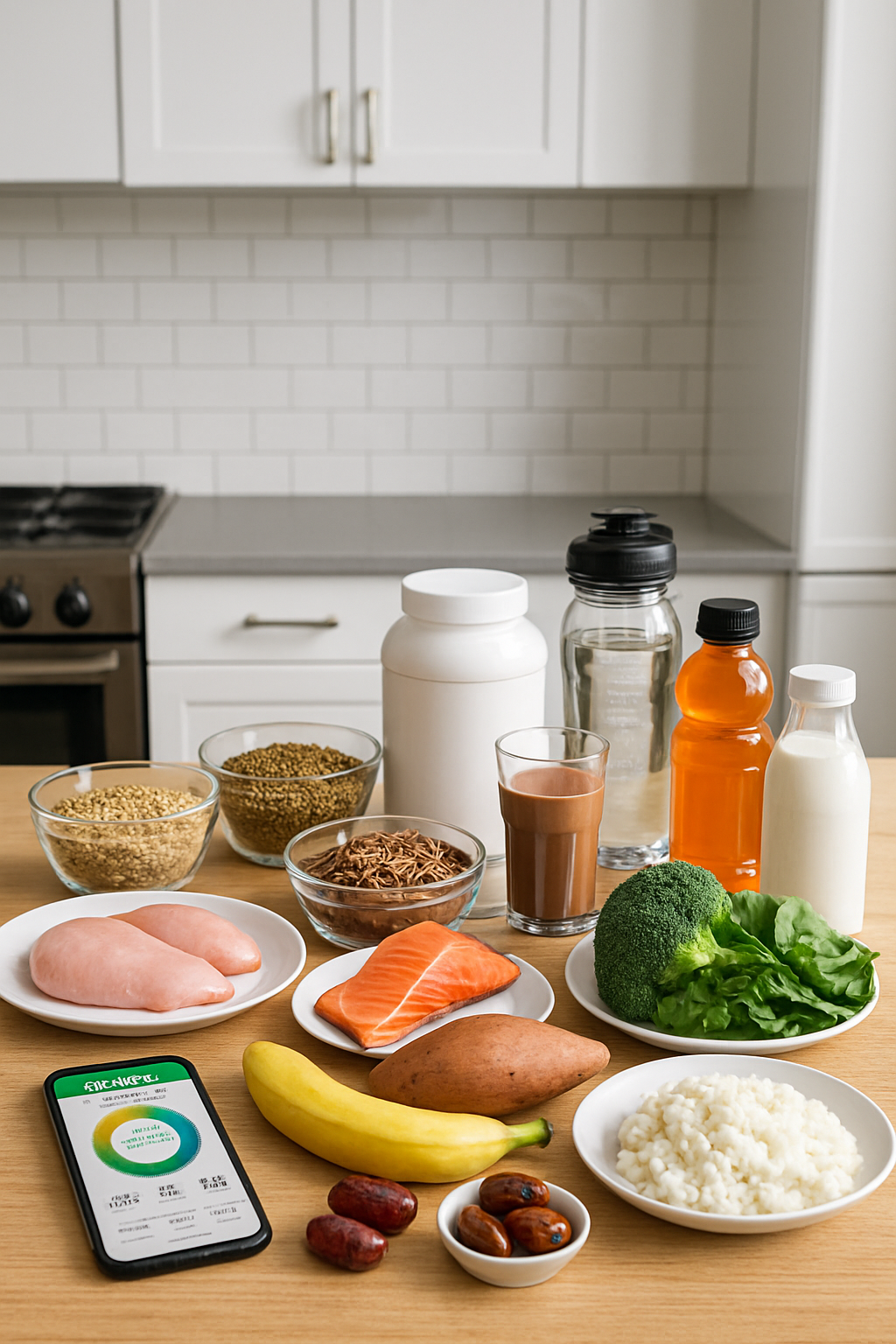
- Examples: Grilled chicken breast with a large portion of quinoa and steamed vegetables; whole wheat pasta with a lean turkey meat sauce; baked salmon with a sweet potato.
The Top-Up Snack (60-90 Minutes Before the Game)
A final, easily digestible energy boost to top off your fuel tank.
- Focus: Simple, fast-acting carbohydrates.
- Why: Provides immediately available energy without sitting in your stomach.
- Examples: A banana, a handful of dates, a sports gel, a small bowl of oatmeal, or a piece of toast with honey.
In-Game Fueling & Hydration
During the game, the priorities are staying hydrated and replacing lost energy quickly.
- Focus: Fluids, electrolytes, and simple carbohydrates.
- Action: Sip on water and an electrolyte sports drink on the bench. For long or intense games, a sports gel or chew between periods can provide the rapid energy needed for the final stretch.
The Critical Recovery Window (Post-Game Nutrition)
This is your 60-minute window to kickstart the repair process when your body is most receptive to nutrients.
- Focus: A 3:1 or 4:1 ratio of carbohydrates to protein.
- Why: The carbs are crucial for replenishing depleted glycogen, while protein immediately begins repairing muscle tissue.
- Examples: The classic choice is a glass of chocolate milk. A protein shake with a banana is also excellent. Follow this with a full, balanced meal 1-2 hours later, like a beef stir-fry with rice and mixed vegetables.
How SnapEat AI Becomes Your Personal Hockey Nutrition Coach
Understanding the science is one thing; executing your hockey nutrition plan consistently is another. This is where SnapEat AI revolutionizes your approach, acting as your dedicated nutrition coach right in your pocket.
- Effortless Tracking, Precise Analysis: Forget manual logging. Just snap a photo of your pre-game meal, and SnapEat AI instantly analyzes the macronutrients. You'll know immediately if you have enough carbs to fuel the third period or if your recovery meal is optimized.
- Personalized Goals for Elite Performance: Set custom goals for your specific needs—building off-season strength, maintaining energy during a tournament, or leaning out without losing power. SnapEat AI transforms generic advice into an actionable plan just for you.
- Real-Time Coaching Feedback: The app provides instant feedback on your meal choices. It might suggest adding a carb source on game day or increasing protein post-game, teaching you to build instinctive, sustainable habits.
- Master Your Hydration: Easily log your water and sports drink intake to stay ahead of performance-killing dehydration. The app can send reminders, taking one more mental task off your plate so you can focus on the game.
FAQ: Your Hockey Nutrition Questions Answered
- What is the best thing to eat right before a hockey game?
- About 60-90 minutes before, eat simple, fast-acting carbs like a banana, a small bowl of oatmeal, or a sports gel. Avoid high-fat, high-fiber, or heavy foods that are slow to digest.
- What should I eat between hockey games in a tournament?
- Focus on quick replenishment. A sports drink with carbs and electrolytes, fruit, or a carb-focused energy bar are great options. If you have a few hours, a small meal like a turkey sandwich on whole wheat bread can work.
- Is pasta good before a hockey game?
- Yes, whole wheat pasta is an excellent pre-game meal when eaten 3-4 hours before. It provides the complex carbohydrates needed for sustained energy. Pair it with a lean protein source like turkey or chicken.
- How can I avoid getting tired in the third period?
- This comes down to proper fueling. Ensure your pre-game meal is carb-heavy, stay hydrated throughout the game, and consider a simple carb snack (like a gel) between the second and third periods for a final energy boost.
Conclusion: Own Your Performance 24/7
The difference between a good player and a great one is consistency. Greatness is built not just on the ice, but in the 22 other hours of the day. By mastering your game day nutrition—fueling with carbs, repairing with protein, and staying hydrated—you build the foundation for elite performance. SnapEat AI bridges the gap between knowledge and action, making expert-level sports nutrition simple and effective. Fuel your game, master your recovery, and win your matchup long before you step on the ice.