


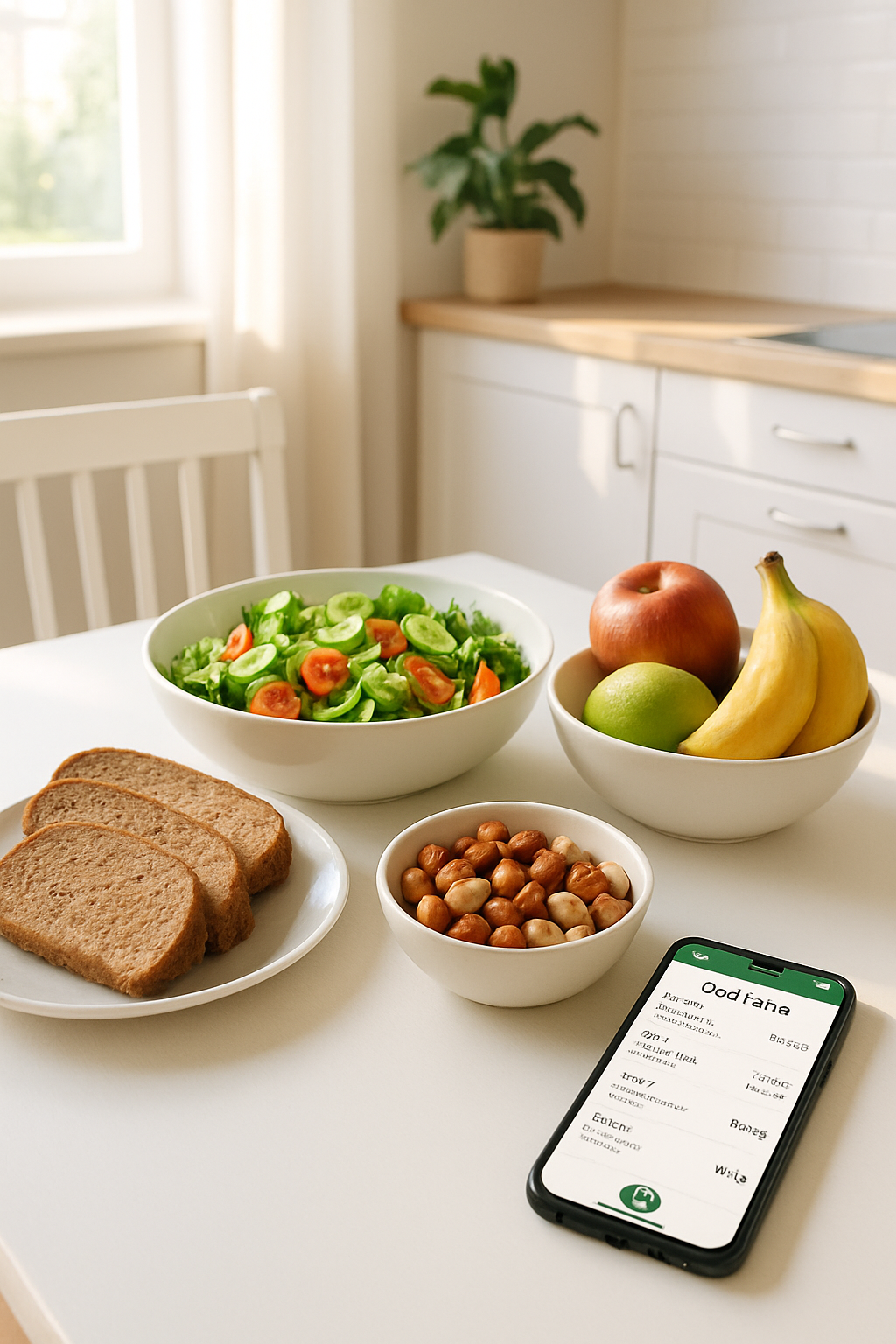
The Vicious Cycle of Modern Dieting
It’s a familiar story. You start a new diet with unwavering resolve. You label foods as “good” or “bad,” and for a few days, or even weeks, you are perfect. Then comes the birthday party or the stressful workday. You “give in.” Immediately, a wave of guilt washes over you. You feel like a failure, and the all-or-nothing mindset kicks in: “I've already ruined my diet, so I might as well eat whatever I want.”
This cycle of restriction, guilt, and surrender is the exhausting reality of diet culture. But what if there was a more compassionate, sustainable path? This is the path of Graceful Eating, a transformative mindset that blends timeless wisdom with modern technology to help you heal your relationship with food.
What is Graceful Eating? A New Approach to Your Health Journey
Graceful Eating applies the concept of grace—unconditional favor—to your plate. Inspired by the wisdom of thinkers like Philip Yancey, it shifts the focus from rigid rules to self-compassion. This isn't about giving up; it's about building a sustainable health journey.
- Freedom from Food Legalism: Move beyond a rigid list of “good” and “bad” foods. Graceful Eating allows you to make conscious choices based on nourishment and enjoyment, not fear of breaking a rule. This is true food freedom.
- Unconditional Self-Worth: Your value is not defined by your diet. Grace decouples your self-esteem from the number on the scale or the contents of your plate, helping you stop feeling guilty about eating.
- Consistency, Not Perfection: This is the secret to a sustainable weight loss mindset. When you have an off-plan meal and respond with grace (“That’s okay, one meal doesn't define my journey”), you are far more likely to make a healthy choice next time. Guilt leads to quitting; grace leads to consistency.
SnapEat AI: Your Tool for Compassionate Awareness
This mindset shift is powerful, but how do you practice it? This is where an AI food tracker app like SnapEat AI becomes a surprising ally. Instead of being another tool for judgment, it becomes a tool for compassionate awareness, perfectly supporting mindful eating.
You simply take a picture of your meal, and the AI provides objective nutritional information. Its power lies in how it supports a graceful mindset:
- Objective Data, Not Subjective Judgment: SnapEat AI provides facts (calories, macros, nutrients) without criticism. It delivers insight without insult, allowing you to observe your habits without the app scolding you.
- Effortless Tracking Reduces Obsession: The simple act of taking a photo lowers the mental barrier to awareness. This makes you more consistent while reducing the fixation on perfection that comes with manual calorie counting.
- Revealing the Big Picture: Instead of agonizing over a single meal, you can review your photo food journal to see weekly patterns. This 30,000-foot view encourages gentle, effective adjustments, not panicked reactions.
How to Practice Graceful Eating: A 4-Step Guide
Ready to combine this powerful mindset with a practical tool? Here’s your step-by-step guide to starting your journey with Graceful Eating and SnapEat AI.
- Step 1: Set Intentions, Not Rules. Open SnapEat AI with the intention to become more aware of what nourishes your body. Your goal is curiosity, not perfect compliance.
- Step 2: Snap, Eat Mindfully, and Let Go. Before you eat, take a photo. This simple pause is a moment of mindfulness. Then, put your phone away and enjoy your food without the cloud of immediate analysis.
- Step 3: Review with Compassion, Not Condemnation. At the end of the day or week, look through your log. Instead of asking, “How did I fail?” ask grace-filled questions: “How did this food make me feel?” “What patterns do I see?” “What one small change can I make tomorrow?”
- Step 4: Forgive and Adjust Gently. If you see a day that was higher in calories than you’d like, practice grace. Acknowledge it without shame. Use the data not for punishment, but for gentle guidance, like adding a side of vegetables to tomorrow's lunch.
Frequently Asked Questions (FAQ)
How is Graceful Eating different from Intuitive Eating?
They are very similar and complementary! Intuitive Eating focuses on listening to your body's internal hunger and fullness cues. Graceful Eating adds an explicit layer of self-compassion for the moments when you don't eat “perfectly” and integrates modern tools like SnapEat AI to provide objective feedback without judgment, helping you understand your patterns better.
Do I have to use an app to practice Graceful Eating?
No, the core of Graceful Eating is the mindset of self-compassion. However, an AI food tracker like SnapEat AI can be an incredibly helpful tool. It provides awareness without the obsessive work of manual logging, making it easier to see your habits clearly and make gentle adjustments.
How can I stop feeling guilty about eating?
Stopping food guilt starts with separating your actions from your self-worth. Remind yourself that eating a cookie doesn't make you a “bad” person. Practice the 4-step guide above: acknowledge the choice without judgment, get curious about why you made it, and focus on the next positive choice you can make. Grace is the antidote to guilt.
Begin Your Transformed Health Journey Today
True, lasting health transformation doesn’t come from perfectionism. It is born from consistency fueled by self-compassion. By embracing Graceful Eating, you free yourself from the exhausting cycle of diet culture.
By combining the profound wisdom of grace with the gentle awareness provided by SnapEat AI, you create a powerful, sustainable path forward. Your health journey becomes less of a battle and more of a dance—a graceful movement toward a healthier, happier you. Ready to start? Try practicing grace with your very next meal.