


What is Rapid Weight Loss?
A rapid weight loss plan is any diet that results in losing more than two pounds (approximately 1 kilogram) per week over a period of several weeks. Achieving such a fast pace of weight loss requires a significant reduction in daily calorie consumption, often to very low levels.
How It Works and The Role of AI
These intensive diets are typically considered by individuals with obesity who aim for swift results, but they are less frequently endorsed by healthcare professionals for unsupervised use. Anyone undertaking such a diet should be monitored by a provider, as rapid weight loss can be unsafe without professional guidance.
These diet plans are intended for short-term application and are generally not advised for more than a few weeks. People who shed weight quickly are significantly more prone to regaining it over time compared to those who lose weight gradually through sustainable dietary changes and physical activity. The rapid loss places considerable stress on the body, triggering a stronger hormonal response that can slow metabolism and encourage weight regain once the diet is relaxed or stopped. This is where modern technology can assist. An AI-powered tool like SnapEat AI acts as your personal coach, helping you meticulously track food intake with its food recognition feature, monitor progress, and maintain consistency, which is crucial for navigating such a demanding regimen.
Very Low-Calorie Diets (VLCDs)
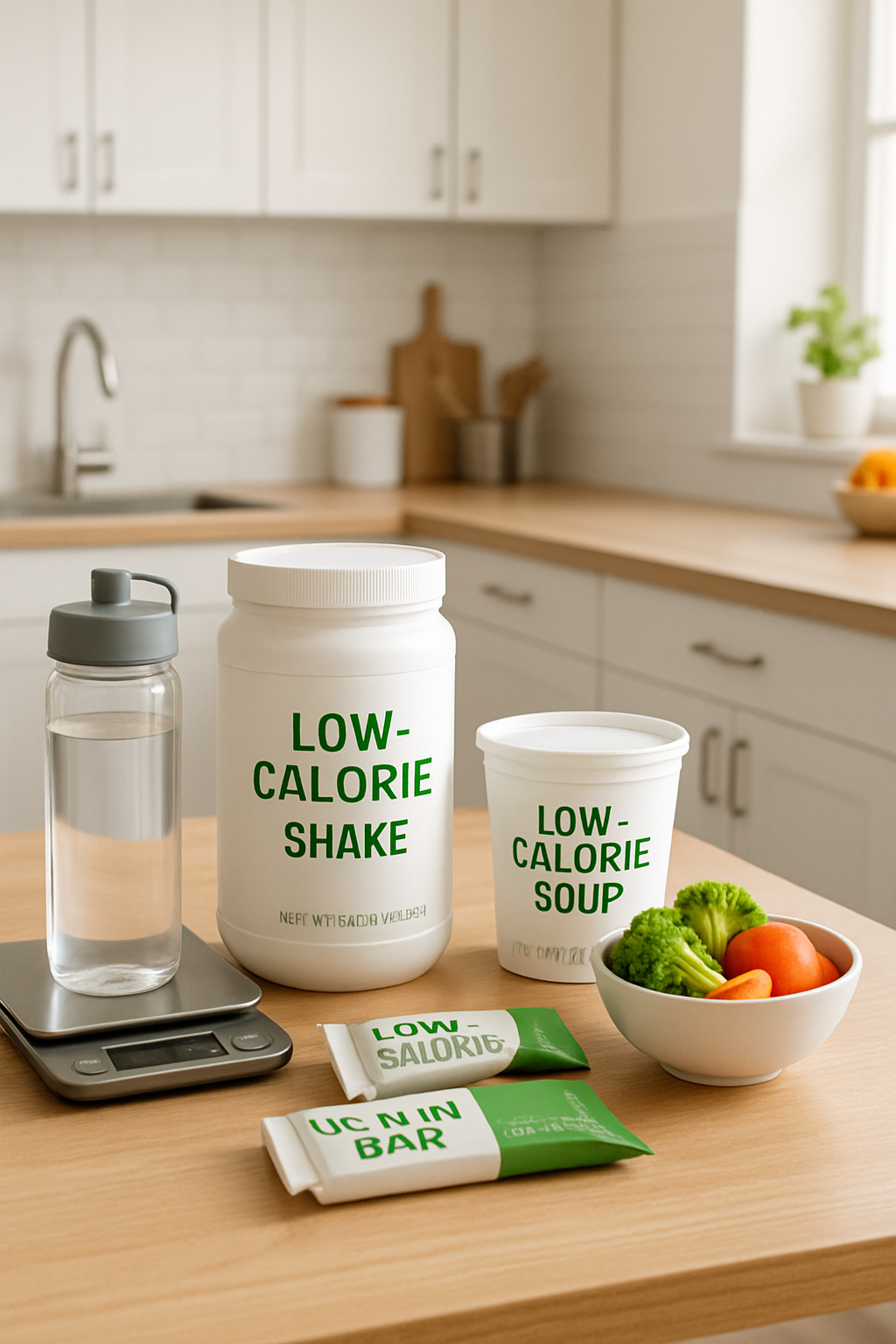
On a Very Low-Calorie Diet (VLCD), daily intake might be as low as 800 calories, potentially leading to a weight loss of 3 to 5 pounds (1.5 to 2 kg) per week. Most VLCDs involve meal replacements like shakes, soups, or bars to ensure essential nutrient needs are met. Using SnapEat AI can help you log these replacements and ensure you are getting the nutrients you need while adhering to the strict calorie limit.
A VLCD is generally reserved for adults with obesity who require weight loss for medical reasons, sometimes in preparation for weight-loss surgery. It should only be undertaken with professional medical supervision. Experts typically advise against following a VLCD for longer than 12 weeks.
Low-Calorie Diets (LCDs)
Low-Calorie Diets (LCDs) typically permit around 1,000 to 1,200 calories daily for women and 1,200 to 1,600 for men. For many people seeking quick results, an LCD is a more practical option than a VLCD. However, it still requires supervision from a provider. While weight loss might be slightly slower than on a VLCD, an LCD can achieve comparable total weight loss over time.
An LCD often combines meal replacements with regular food, making it more sustainable. This is where SnapEat AI shines as a smart calorie counter, helping you accurately track a varied intake and stay within your personalized goals.
Time-Restricted Eating
This dietary approach is gaining traction and is often associated with fasting. Time-restricted eating confines your daily food consumption to a specific window of time. A common method is the 16:8 plan, where all meals are eaten within an 8-hour period, such as from 10 a.m. to 6 p.m. Studies suggest this can induce rapid weight loss, though more research is needed on its long-term sustainability. SnapEat AI can help you manage this by tracking your eating windows and syncing with your health data to keep you on schedule.
Intermittent Fasting
Fasting is a long-standing method of caloric restriction that has seen a recent surge in popularity, partly due to studies showing its benefits for individuals with diabetes and obesity. There are many fasting protocols, with the 5:2 system being one of the most popular. This involves two days of fasting or a VLCD and five days of normal eating per week. Diets that include fasting can lead to rapid weight loss. With SnapEat AI, you can precisely calculate calories for your fasting days and ensure balanced nutrition on your non-fasting days.
The Pitfalls of Fad Diets
Some fad diets promise rapid weight loss by severely restricting calories. These diets can be unsafe and are rarely sustainable enough to produce long-term results. Once you abandon the diet, you are highly likely to regain the weight if you revert to previous eating habits. For most individuals, a safer approach is a diet that aims for a steady loss of 0.5 to 1 pound (225 to 500 grams) per week, a goal easily managed with the personalized guidance from SnapEat AI.
The Importance of Exercise
Rapid weight loss is primarily driven by calorie reduction rather than exercise. Consult your provider about the appropriate type and amount of exercise to undertake while on a low-calorie diet. They may recommend waiting until you transition to a more sustainable, long-term eating plan before beginning a vigorous exercise routine. You can then sync your fitness apps with SnapEat AI to get a complete picture of your health.
Potential Health Benefits
For individuals whose health is compromised by obesity, a rapid weight loss diet can offer significant benefits by improving conditions such as:
- Diabetes
- High cholesterol
- High blood pressure
Understanding the Health Risks
You should only attempt one of these diets under the guidance of a healthcare provider. Losing more than 1 to 2 pounds a week is generally not recommended for most people and can lead to the loss of muscle, water, and bone density. Rapid weight loss may also trigger several side effects, including:
- Gallstones
- Gout
- Fatigue
- Constipation
- Diarrhea
- Nausea
Individuals who lose weight rapidly are also more prone to regaining it just as quickly. A smart tool like SnapEat AI can’t replace medical advice, but it can empower you to follow your provider's plan accurately and help manage the transition back to a normal diet by providing data-driven insights and fostering healthy, long-term habits.