


What is Rapid Weight Loss?
A rapid weight loss plan is any diet designed to help you lose more than 2 pounds (approximately 1 kilogram) per week over a period of several weeks. This accelerated pace is achieved by creating a significant calorie deficit, meaning you consume far fewer calories than your body burns.
How Do Rapid Weight Loss Diets Work?
These diet plans are often pursued by individuals with obesity seeking quick results for health-related reasons. However, due to their intensity, they are typically recommended for short-term use and ideally under the guidance of a healthcare professional. Embarking on such a diet without supervision can pose safety risks.
It's important to understand that weight lost quickly is more likely to be regained compared to weight lost gradually through sustainable lifestyle changes. The body perceives rapid weight loss as a significant stressor, triggering a powerful hormonal response. This response can slow metabolism and increase hunger, complicating weight maintenance once the diet is relaxed or stopped. An AI-powered tool like SnapEat AI can be instrumental in transitioning from a rapid-loss phase to a sustainable maintenance plan by helping you adjust and track your intake over the long term.
Popular Rapid Weight Loss Strategies
Very Low-Calorie Diet (VLCD)
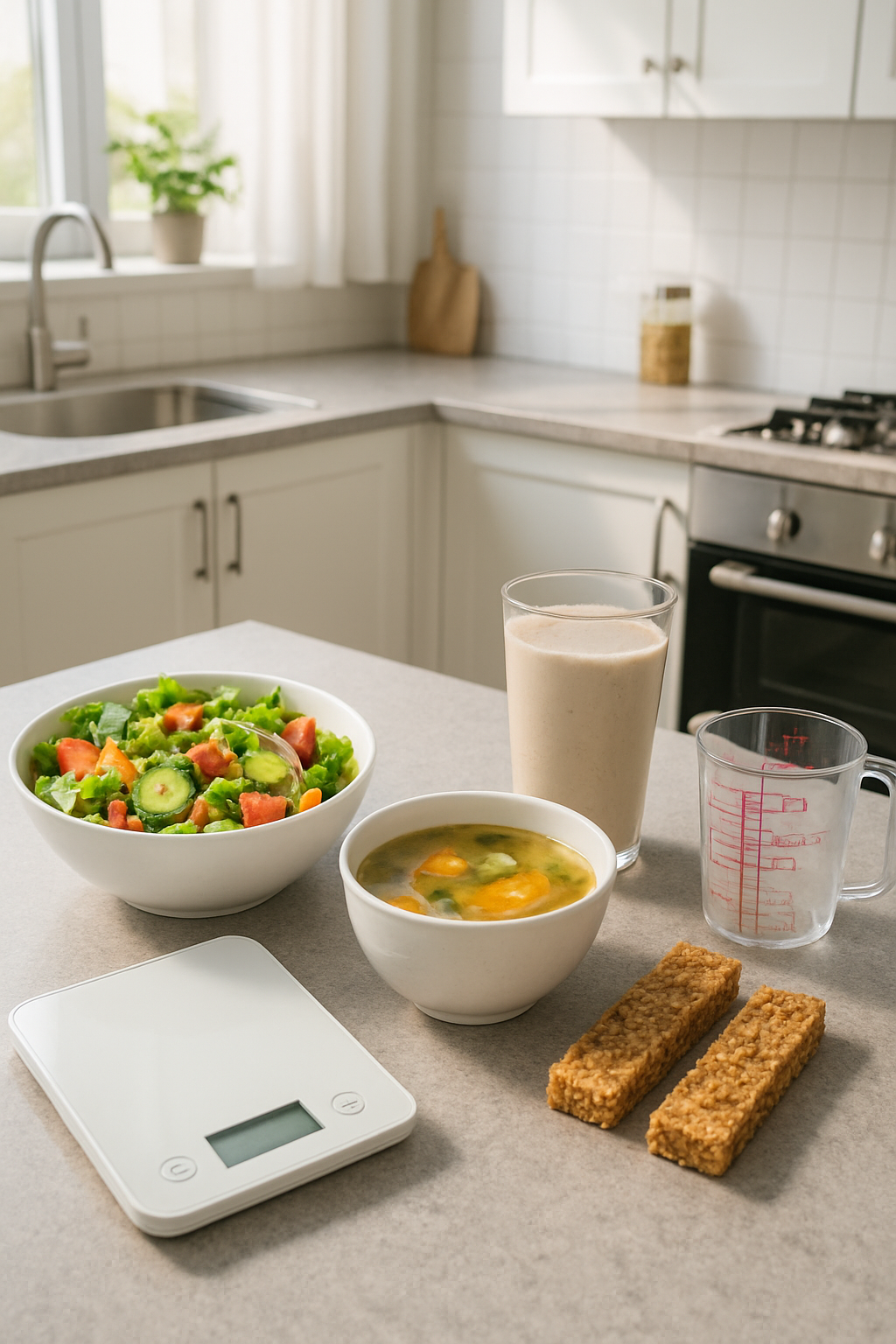
A VLCD restricts daily intake to as little as 800 calories, potentially leading to a weight loss of 3 to 5 pounds (1.5 to 2 kg) per week. Many VLCDs rely on meal replacements like shakes, soups, or bars to ensure essential nutrient needs are met. VLCDs are generally reserved for adults with obesity for specific medical reasons, such as preparation for surgery, and should only be undertaken with medical supervision for a limited duration, usually not exceeding 12 weeks.
Low-Calorie Diet (LCD)
An LCD is a less extreme alternative, typically allowing 1,000-1,200 calories per day for women and 1,200-1,600 for men. While the weight loss is slower than with a VLCD, it can achieve similar total results and is often considered a more manageable choice for quick weight loss. LCDs often incorporate a mix of meal replacements and regular foods, making them easier to stick with.
Time-Restricted Eating
This increasingly popular method focuses on *when* you eat, not just *what* you eat. It involves limiting your daily food consumption to a specific window of time. A common approach is the 16:8 method, where you fast for 16 hours and eat all your meals within an 8-hour period (e.g., 11 AM to 7 PM). While early research suggests it can induce rapid weight loss, more studies are needed on its long-term sustainability.
Intermittent Fasting
Intermittent fasting involves alternating between periods of eating and fasting. A popular regimen is the 5:2 diet, which entails eating normally for five days a week and restricting calories significantly (similar to a VLCD) on two non-consecutive days. Like other methods, diets that include fasting can result in rapid weight loss.
How SnapEat AI Enhances Your Diet Plan
Sticking to strict calorie targets can be challenging. SnapEat AI simplifies this process, acting as your all-in-one AI coach. Instead of manual guesswork, you can use it as a smart calorie counter by simply snapping a photo of your meal. The AI recognizes the food and calculates its nutritional value, making it easy to adhere to a VLCD or LCD plan. It also allows you to set weight loss goals, track your meals and progress, and sync all your health data in one place, providing a comprehensive overview of your journey.
Potential Benefits of Quick Weight Loss
For individuals whose weight poses significant health risks, losing a substantial amount of weight quickly can lead to rapid improvements in conditions such as:
- Type 2 Diabetes
- High Cholesterol
- High Blood Pressure
Understanding the Risks and Side Effects
Losing weight at a rate faster than 1-2 pounds per week is not recommended for most people without professional guidance. It can lead to the loss of muscle mass, water, and bone density. Potential side effects of very low-calorie diets include:
- Gallstones
- Gout
- Fatigue and weakness
- Constipation or diarrhea
- Nausea
Moreover, the tendency to regain weight quickly after the diet ends is a major concern. It's crucial to have a post-diet strategy. Rapid weight loss diets are generally not considered safe for children, adolescents, pregnant women, or older adults unless specifically recommended and monitored by a doctor.
The Importance of a Balanced Approach
While rapid weight loss can serve a purpose in specific medical situations, for most people, a slower, more measured approach is safer and more effective for long-term success. Aiming to lose 0.5 to 1 pound per week through balanced nutrition and physical activity builds sustainable habits. Whether you're on an accelerated plan or a gradual one, talk with your healthcare provider before starting. Use SnapEat AI as your trusted companion to follow your plan, recognize food, track your progress, and stay motivated on your path to better health.